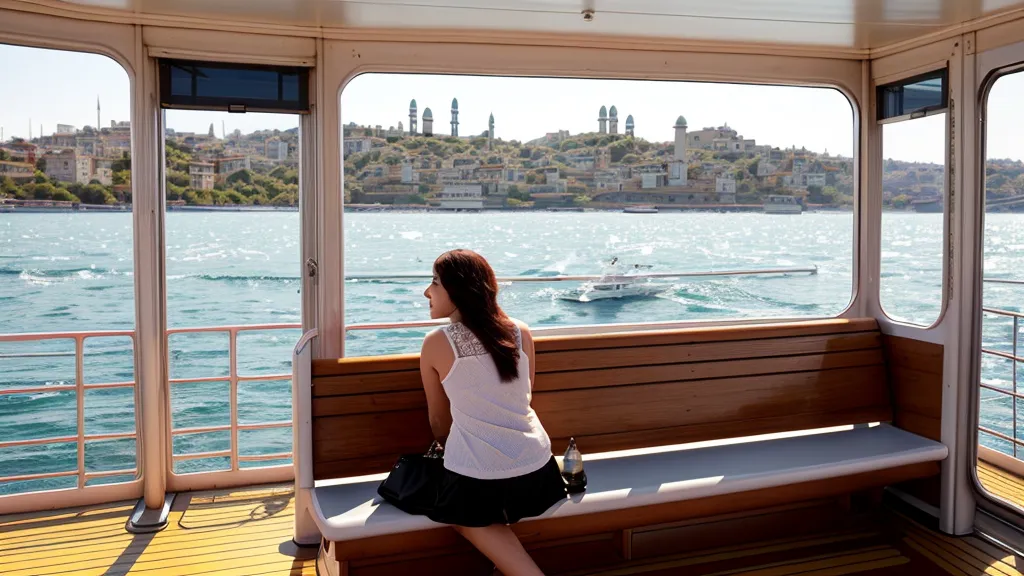
What's the real difference between a Bosphorus cruise you book yourself and one a stranger books for you? I spent a stretch of this year in Istanbul trying to find out, running the same stretch of water on two different tickets: one arranged through a hotel concierge, one booked directly through GetYourGuide on my own card. The light over the Bosphorus doesn't care which ticket you're holding, but the boat underneath you decides whether you can actually use that light.
The concierge desk made the private boat sound like the smarter move: a driver, a quieter deck, no crowd of day-trippers elbowing for the rail. What it actually bought me was a markup I never fully itemized and a captain who preferred idling near shore instead of threading the current where the view opens up. Nikoleta Baran, a reader who'd written in months earlier to correct an opening-hours detail on a different city guide, had already told me to skip that desk and book the standard GetYourGuide slot three or four weeks out, the way she books everything. I believed the concierge over her anyway, and paid for it.
GetYourGuide's Dinner Cruise or Sightseeing Boat — Which One Shoots Better?
Not every GetYourGuide listing gets you the same boat, and that distinction matters more than which operator's logo is on the ticket. The high-end dinner cruises are floating banquet halls, thick glass on every side, built for people eating a set menu while the view scrolls past like a screensaver nobody asked to have running. Those boats make reflections almost impossible to avoid — the glass throws your own silhouette right back into the frame every time you lean toward it.
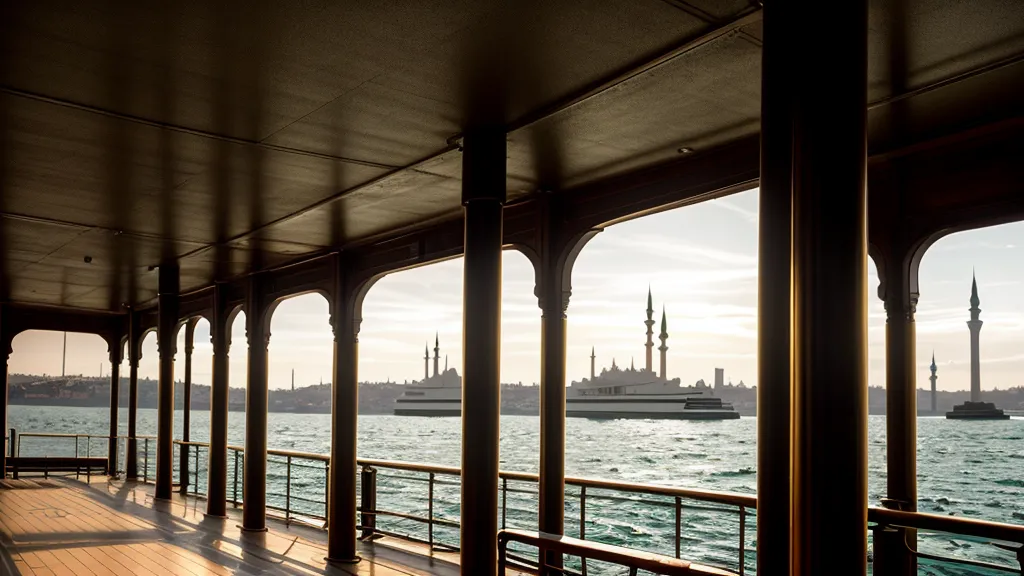
I braced a shoulder against the vibrating steel railing on the standard sightseeing boat instead — the one GetYourGuide lists without the dinner-menu price bump — and felt the cold flick of Marmara spray hit a UV filter I'd forgotten to wipe. Holding a 35mm prime steady against a diesel engine's idle is its own small workout, closer to reading a paperback on a rowing machine than anything resembling a tripod shot. The boat's own pace, somewhere around 10 to 15 knots, means a shutter speed fast enough to freeze the spray or lose the frame entirely.
Picking a Side of the Boat, Not Just a Side of the City
Most tours head north toward the Black Sea, under three suspension bridges, and each one hands you a completely different frame depending on which rail you're standing against. The strait itself runs roughly 30 kilometers between two continents, bending enough that the light shifts every few minutes depending on which bank you're facing. Stay anchored to the wrong rail and you'll watch the direct, warm light hit the Rumeli Fortress on the European shore from entirely the wrong angle, or miss it dropping into shadow altogether.
Staying put cost me that exact shot once. I camped on the Asian side chasing a moodier backlit silhouette, convinced it would read as more editorial, and by the time I crossed the deck the fortress had already gone flat and dark. Treating a cruise deck like a fixed seat is the same mistake as holding one lane too long on the McCarren Park track back home — commit to one line and you miss whatever's happening on the other side. Priyanka Suri, who edits most of my captions before anything runs, still brings up the time I filed that frame with the boarding window wrong by an hour. She catches that kind of thing every time.
The Haze Is Doing Half the Work
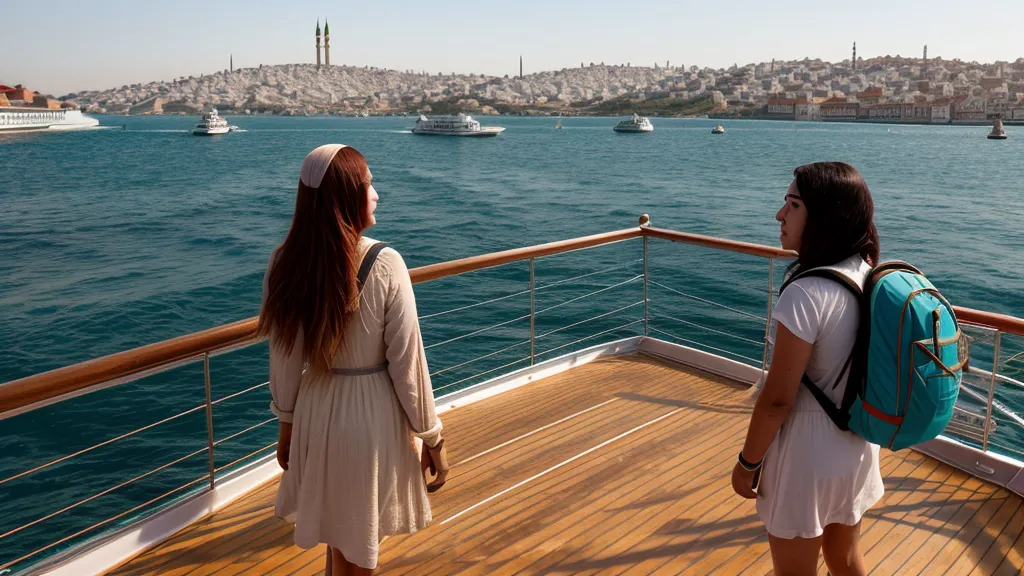
Thirty minutes before the official golden hour is the actual sweet spot for the ornate yalis lining the water. The wooden waterfront mansions still catch soft, directional shadow at that point, enough to give the facades real dimension. Wait until the sun actually touches the horizon and the haze off the Sea of Marmara flattens the whole scene into an orange silhouette with no depth left in it.
That same haze cuts both ways. It softens contrast just enough to give the skyline a timeless, slightly diffused look, but push past the window and it kills definition fast — the same trade-off I clocked riding the Best Tram 28 Route Lisbon for Street Photography Without the Crowds, where you learn to read the curve of the track a beat before the shot disappears, not after.
Reading a crowd's rhythm is a separate skill from reading light, and I picked that one up long before Istanbul, standing at the dome entrance to the Gardens by the Bay in Singapore and watching a packed plaza thin out almost on cue once the sky lost its last color around seven. The same pattern holds on the Bosphorus. GetYourGuide departures around 5 or 6 PM land you right on top of that pre-golden-hour architectural light, with enough runway left to still be on the water once blue hour takes over: city lights flickering on, the sky dropping into a bruised purple that makes the strait look less like a commuter route and more like a set built for the shot.
Access Costs Something, Even When It's Free
Public ferries on this same water cost next to nothing and carry their own charm, but they run on their own schedule and get crowded exactly when the light turns good, which is the one variable an editorial shoot can't absorb. Paying for an organized, timed boarding is the same logic I use picking tickets for the Alcázar of Seville Tickets for Better Photos Without the Crowds — sometimes the only way to guarantee a clean, uncrowded frame is to pay someone to hold your spot before you even arrive. It's the same math behind any city pass: the ticket isn't worth it for the access alone, it's worth it for the certainty.
Nikoleta would say the same thing about any ticket, not just boats. She pre-books everything three or four weeks out and genuinely cannot understand why the rest of us wait until the week of. On this one, she had the better instinct.
So Which Boat Is Actually Worth Booking?
Book the standard GetYourGuide sightseeing cruise, not the dinner-cruise tier, when you're working a deadline and need reliable deck access without haggling at the pier. Save a private charter for the rare case where you need total control over timing and routing, and arrange it directly with a captain at the dock, never through a hotel concierge skimming a markup off the top. The public ferry is worth riding once, for free, just to learn how the light moves across the water before you pay for a seat on anything.
That same principle held on a very different assignment, documenting the Best Dachau Memorial Tour from Munich After a Recent Photography Trip — the weight of the atmosphere around a place often matters as much as the subject itself, and no amount of booking logistics changes that part of the work.
Back in the loft in Gowanus, sorting the take under a wall that's gone mostly invisible under layers of printed contact sheets, I lined up a Bosphorus blue-hour frame next to one shot out the window down the block — the same gradient, a lit skyline folding into its own reflection on flat water, just a different continent holding it up. The boat only controls how close you get to that moment. Who booked it controls whether you're actually free to wait for it.