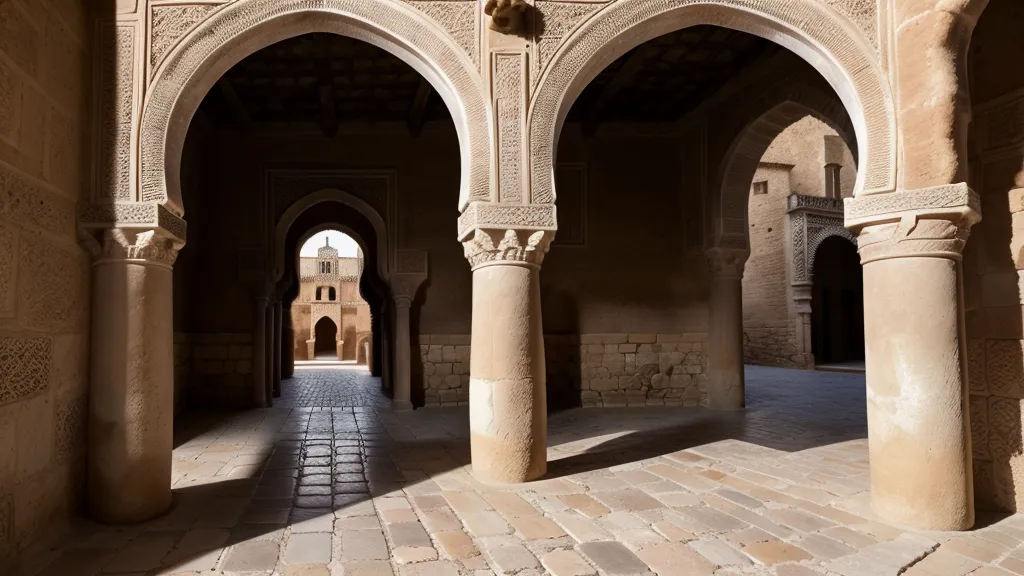
Elbows keep clipping my lens hood in the Patio de las Doncellas, and the reflecting pool that's supposed to lie flat as glass is stippled with ripples from thirty phones leaning over the same railing for the same shot. This is the Alcázar of Seville, Spain, the way most travel photography of it turns out: crowded, flat, forced. Getting a frame that reads as more than a snapshot starts with treating the ticket itself as equipment, not a formality, and it means throwing out most of what a typical GetYourGuide review or skip-the-line guide tells you about when to walk through the gate.
Sunrise Is the Wrong Call at the Alcázar
Every list of tips says the same thing: be at the Puerta del León the second the doors open. That advice is backwards. Morning is exactly when every tour operator working the Iberian Peninsula schedules its main groups, so the first two hours inside are the most crowded the palace gets all day, not the calmest. The light is soft then, sure, but you're sharing it with twenty-person clusters moving room to room on a fixed clock, and no amount of me holding still clears a doorway a guide is actively walking a group through.
The light that actually flatters the palace's plasterwork shows up in the two hours before closing, once the big groups have peeled off toward tapas or a bus back to their ship docked in Cádiz. It rakes low across the upper galleries and catches the gold leaf in the Ambassadors' Hall at an angle that makes it look lit from inside instead of reflecting a bulb. By then the courtyards have thinned out enough to swap a wide-angle for a 50mm prime and actually work a detail, instead of grabbing the whole room before someone steps into frame. A reader named Nikoleta, who studied architecture before she started writing about cities, told me once that she never wants the establishing shot from my Seville posts, only the joint lines in the tile, and standing under that late light, watching the geometric patterns of the Mudéjar style hold still for once, I finally saw exactly what she meant.
Skipping the Line at the Puerta del León
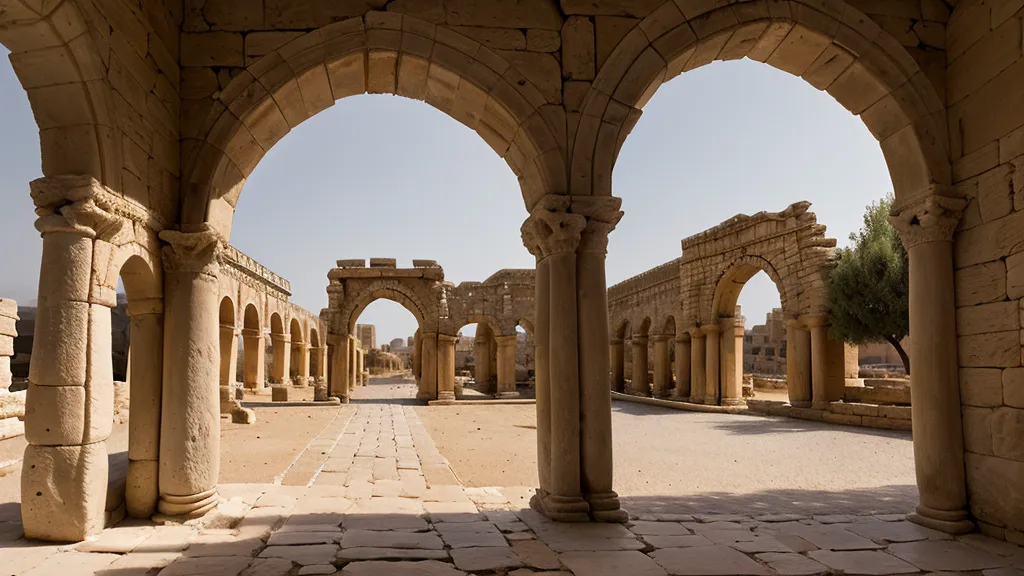
On my first trip here I let the hotel concierge book the ticket, and they tacked on a 30 percent markup and called it a service fee for the exact same digital entry slot I could have loaded onto my phone in under two minutes. That's the version of this mistake nobody warns you about: not the line itself, but paying extra to stand in a shorter version of it. A combined city pass only earns back its cost if you're stacking four or five paid sites into one day; for the Alcázar by itself, skip the bundle and book direct.
The number 3 bus pulls away from the curb outside my rental some mornings before I make it across the street, doors sighing shut, and the display flips over to a fifty-minute wait for the next one. That's the same arithmetic as showing up to the Puerta del León with no ticket loaded: miss the window and you're not negotiating your way back into it, you're just standing on hot stone watching the good light burn off while the queue barely moves. The actual trick isn't beating the line so much as never joining one during the two hours a day when the light is worth fighting for, a distinction most skip-the-line guides skip right past.
I'd had the same realization shooting a Prague Castle morning photography session, where the ticket you pick decides your light more than your gear does. The Alcázar, sitting alongside the cathedral and the old archive a few blocks over, carries the same UNESCO listing those two do. Once you're actually inside instead of queued outside it, that history stops being a plaque you read and starts being something you can compose around.
Guided Tour or Entry Only?
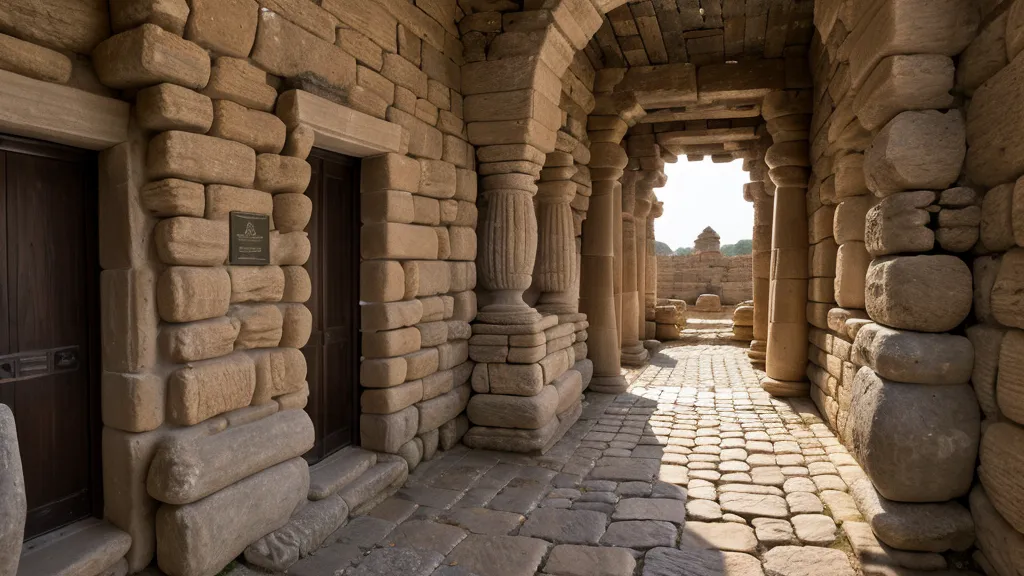
A guide keeps the group moving on a fixed schedule, which is exactly what you don't want when you're waiting out a cloud or a stray backpack drifting through your frame. Entry-only tickets let you work at your own pace, though you're on your own for the history a guide would otherwise fill in. The Cuarto Real Alto, the Upper Royal Apartments upstairs, runs on a separate, time-stamped ticket with tighter photography restrictions of its own. The security checkpoint there won't let a full camera bag through, which is one more argument for traveling lighter than you think you need to. It's worth the climb for the history, but for actual photography, the ground floor and the gardens are where the real work happens; the plasterwork down there is just as intricate and nobody's rationing how long you can stand in front of it.
If you're shooting, book entry-only and build the visit around the light. If you just want the history explained without doing homework first, the guided slot is worth the trade, but go with the last group of the day, not the first, so you're not fighting the same crowd you paid to skip.
The Empty Minutes in the Baños de Doña María de Padilla
Most people duck into the underground baths beneath the Patio del Crucero, snap one photo of the water, and duck back out into the heat. Give it the last slow hour of the day instead and the whole chamber changes: the air goes cool and heavy, footsteps echo off the vaulted stone and the water, and the dynamic range turns brutal, bright at the far end and black in the vaults. A steady hand and enough patience still get you a sense of stillness that doesn't exist anywhere else in the city.
Seville's own city buses cover the short hop between the Alcázar, the cathedral, and the archive faster than any hop-on-hop-off loop built for a dozen stops across town, if you're willing to read a schedule instead of waiting on a recorded announcement. Back in the loft in Gowanus, pulling the day's frames up on the edit monitors, the keepers were never from the rushed morning pass. They were always from that last slow hour, after the tour buses had gone and the palace had the good sense to be quiet.
The myth isn't the palace, it's the schedule everyone recommends: earliest slot, biggest crowd, hardest light. Book the ticket yourself instead of handing it to someone who marks it up, aim for the last two hours before closing instead of the first two after opening, and treat the extra wait as the actual price of the photograph rather than a line to be beaten. That's the whole rule, and it holds for most palaces with the same problem, not just this one.