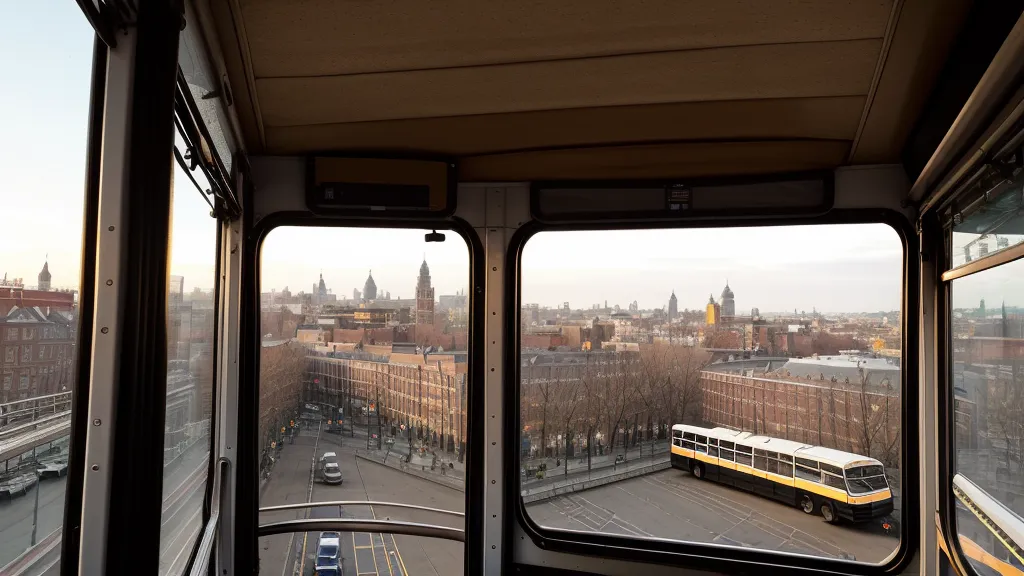
The turnstile scanner at the California Academy of Sciences reads a phone screen in under two seconds, no paper ticket or box-office line, just a beep and a green light. That single gate is the one thing almost every bundled attraction pass gets right, and it's also the wrong place to judge a San Francisco CityPASS review for photographers, because the interesting question starts after the gate: what happens when a camera bag full of primes and a documentary shooting pace runs into a pass built around a four-stop tourist itinerary. This is a straight case comparison, bundled pass against single ticket, built around one building that happens to be one of the better travel-photography tests in the whole attraction-pass category.
Quick disclosure before any of that: I buy these passes myself, on my own card, the same way I'd buy any other piece of gear for an assignment. Some links below are affiliate links — booking through them earns this site a small commission at no cost to you, and it has never once decided which option gets the better review, including the times a pass turned out to be the wrong call for the day I had planned.
Two Ways Into the Academy: Turnstile Scan vs Ticket Counter
Stepping off the N Judah Muni line and cutting past the Music Concourse, the Academy's main entrance is the first real test for either ticket. Standard admission lines at a premier cultural venue can eat an entire morning's prime shooting window, and on this point the two options are closer than the marketing suggests. Scanning the CityPASS barcode cleared the primary queue in about the time it takes to unlock a phone, and a same-day, individually booked ticket gets you through the exact same side door. The turnstile isn't where the two paths actually split.
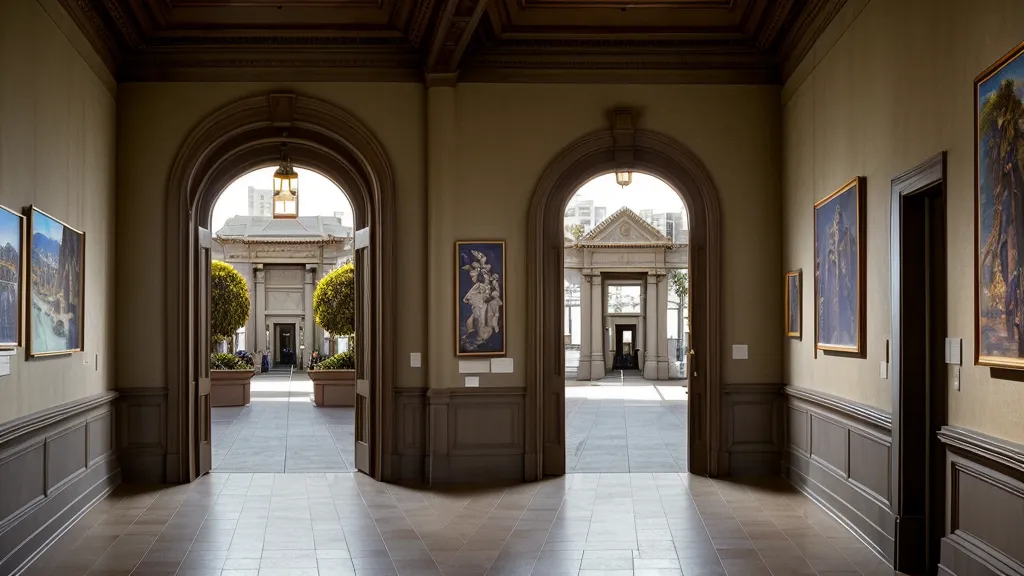
Hauling a camera bag through the Academy's interconnected halls (aquarium, natural history wing, planetarium, and an enclosed rainforest, all under Renzo Piano's glass envelope) forces constant recalculation no matter which ticket got you inside. Tripods and stabilization rigs are barred from the spiral walkways for safety, so either way you're shooting handheld, braced against an architectural pillar, ISO creeping up with every interior room.
Somewhere between the aquarium and the planetarium queue, the actual fork in the road showed up, and it felt a little like standing under exit C of a Tokyo subway station turning a phone in a slow circle because the map insisted the street I wanted was behind me. Same disoriented feeling, just a different city: an app promising a shortcut that quietly turns out to be the regular line with a new sign taped over it. Priyanka, a photo-editor friend who is blunt about which frames are commercially viable and which ones are me indulging a composition nobody will ever buy, texted partway through one visit asking why I was still standing in front of a patch of damp foliage. We argued out the whole pass-versus-individual-ticket question properly later, at the DUMBO waterfront under the Manhattan Bridge, and her read was simple: gate speed is identical between the two, so the bottleneck lives everywhere else in the building.
What the Rainforest Dome Demands From Either Ticket
The Osher Rainforest is the dome everyone ends up photographing, a 90-foot-wide glass enclosure climbing four stories through the center of the building, and no ticket type changes what it does to a lens. Walking in from the park's chill straight into that humidity on a foggy late-May visit, I watched the front element on my 35mm fog completely white within seconds; it took close to fifteen minutes of lens-cloth wiping and just standing still before the glass cleared enough to focus again. Once it did, the marine layer pushing through the glass roof turned into an enormous, shadow-free top light, flattering every leaf vein and feather without the harsh contrast direct sun would have added.
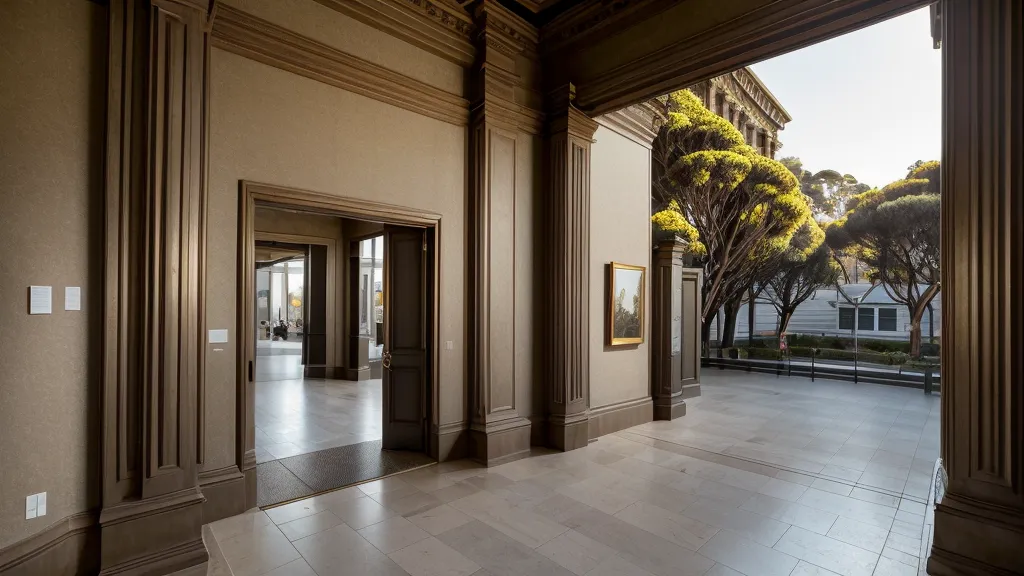
Returning on a bright Thursday afternoon in mid-July to test the dome under a clear sky flipped the whole equation. Direct midday sun punched hot highlights into the wet foliage and buried the lower ramp in muddy shadow, which meant constant exposure compensation on the walk up the spiral. Timing entry around San Francisco's typical morning fog, whichever ticket gets you through the door, buys far more forgiving light than chasing the dome at midday.
Where the Pass Actually Wins: Planetarium Slots and the Living Roof
Assuming the pass covered automatic planetarium entry turned out to be the wrong assumption on both visits. The show runs on its own internal virtual queue, separate from general admission, and arriving without a timed slot booked through the app first thing locks you out of the dome show completely. This cost has nothing to do with which ticket type you're holding.
Next to the aquarium's albino alligator tank, a quieter version of the same pressure built. Watching a tour group cluster against the glass, I caught myself weighing whether thirty minutes for a clean background frame was worth it against the itch to keep moving and make full use of whatever I'd already paid for.
Up on the Living Roof's 2.5 acres of rolling hills, the view opens wide over the park and the Music Concourse below, native flora framed against the building's round skylights. My notes from the Toronto CityPASS review cover a near-identical rooftop setup, and the wind problem is the same in both cities, where gusts buffet a long lens handheld, so shutter speed has to climb regardless of which ticket got you up there.
Is the San Francisco CityPASS Math Different for a Working Photographer?
A pass earns its price on throughput: more venues covered in less time, gate lines skipped, one bundle instead of five separate transactions at five separate counters. Throughput isn't what a working photographer is optimizing for, though. The currency is hours of specific light, and a bundle covering the Academy plus a harbor cruise plus another museum starts to feel like a timer running against you the moment you're waiting on cloud cover instead of walking toward stop number three.
If the plan is combining the Academy with a bay cruise and one more stop inside a short trip, the straightforward move is the CityPASS, which collapses several gate lines into a single scan and keeps movement between highlights fast. If the plan is a slower, more deliberate visual study, four hours parked under the rainforest canopy waiting for the right overhead light, or a long exposure in the aquarium's dimmer tunnels once the crowds thin, a single timed ticket booked through something like GetYourGuide removes the nagging sense that part of a bundle is going to waste. Outsourcing that decision once taught me the expensive version of this lesson: early on, a hotel concierge booked a similar multi-attraction bundle for me as a convenience, and the markup on top of the ticket price made the whole thing cost noticeably more than booking it myself, ticket by ticket, would have.
Nikoleta, a reader who has caught more than one inconsistency between my city-pass write-ups before it could compound into a wrong recommendation, pointed out recently that two of my pieces quoted different break-even attraction counts for the same type of pass. Fair catch. The honest answer is that break-even depends entirely on how many venues a given trip will realistically hit, not a fixed number that holds for every itinerary.
Other Cities, Same Fork in the Road
Much like the Houston CityPASS testing I ran the same season, bundled passes work best when an itinerary matches a standard tourist's tempo, not the stop-and-wait rhythm of someone chasing specific light. The same break-even logic that makes a pass worth it once you've covered enough attractions to justify the price applies here too, just with a rainforest dome standing in for a skyline deck. Vatican queue strategy is a different animal entirely, no pass fixes that crowd, you pick an hour and accept the line regardless. Paris's hop-on-hop-off skyline routing only pays off if you're willing to chase golden hour from the top deck, which rules out half the scheduled departures. Guided versus self-guided is the same fork GetYourGuide puts travelers on in every city I've tested it in, not only this one. Big Bus's economics in London only pencil out if the loop gets ridden more than once inside the ticket's validity window.
Every city's pass bundles a different tier of venues, and San Francisco's tier is narrower than most visitors assume walking in. Picking a room near Shibuya mattered more for a set of Tokyo shots than any bundled pass did. Shooting Las Vegas neon from a moving Big Bus deck is its own exposure problem, with nothing to do with turnstiles or queues. Rome's walking tours punish the same overloaded gear bag that slows a shooter down inside the Academy's spiral ramps. A small-group wine tour out of Florence hands over itinerary control that a bundled city pass never will. Lisbon's tram 28 does the job of a paid tour for a fraction of the hassle, provided standing room is fine. The Prado's photography restrictions make the Academy's tripod ban look generous by comparison. Timing entry for light over crowd is the same calculation at the Alcázar in Seville as it is at the Academy. Washington's Big Bus top deck is one of the rare elevated vantage points actually worth its ticket. A Mont-Saint-Michel day trip out of Paris lives or dies on the transfer mode, not the admission. Dachau is the clearest case for permitted versus appropriate I've run into, a shot being allowed never makes it the right one to take. Pompeii needs triage more than any pass, period, no single pass of light covers that whole site.
Which One Should You Book?
Book the CityPASS when the Academy is one stop on a short trip that also includes a bay cruise or another museum, and the goal is making gate lines disappear without juggling several separate confirmation emails. Book a single timed ticket through a flexible operator when the Academy is the whole point of the day, shot slowly, on its own schedule, without the running math of whether some other part of a bundle is going to waste. For most people splitting a day between personal shooting and sightseeing with companions who aren't carrying a camera bag, the pass still earns its place in a pocket, and the time saved at that one turnstile is worth the trade on its own.
CityPASS
Pros
- + Instant digital turnstile scanning skips the primary ticket booth queues
- + Bundles the Academy with other key photography vantage points across the Bay
- + Generous consecutive-day validity window relieves single-day transit pressure
- + Seamless mobile pass storage inside your digital wallet
Cons
- ○ Internal reservations like the Planetarium require separate booking steps
- ○ Bundled format creates subtle pressure to rush through patient shooting setups