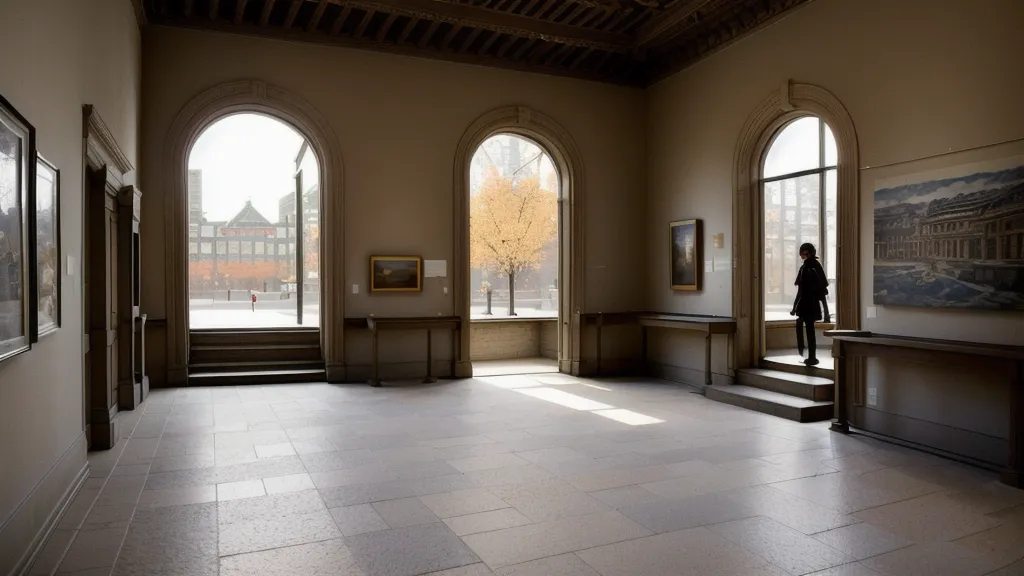
The glass floor at the CN Tower bounces every overhead light fixture straight back into your lens unless you press the glass dead flat. That's the kind of detail a brochure never mentions, and it's exactly the sort of thing I was testing for when I ran the Toronto CityPASS against a week of shooting the skyline and the big museum stops back to back.
Quick disclosure: a handful of the tour platforms and attraction passes mentioned on this site pay me a small commission if you book through my link. Same price either way for you, and it hasn't changed which days I'd actually repeat shooting.
Toronto CityPASS Value for Photographers
Short answer: yes, if you already plan to hit three or more of the five attractions on the list. No, if you're chasing one specific shot and need the freedom to come back for better light. Every city's version of this pass covers a different tier of stops — Toronto's five isn't the deal you'd get in Philadelphia or New York, so the math resets every time you cross a border. On a different trip, long before this one, I bought a tourist card, got pulled into chasing a shot instead of watching the clock, and let it expire before I ever reached the third attraction. That one stuck with me.
Entry timing beats ticket type — that's the bigger lesson. The best frame I ever got of the Chicago riverwalk came at an hour when the architecture boat tours hadn't started running yet. Flat light, empty water, nobody standing in my foreground. No pass on earth would have bought me that, only showing up before the operators did. A skip-the-line perk only matters once the lines actually exist, so the real strategy is less about the pass and more about which hour you show up.
The CN Tower's Glass-Floor Problem
Up on the observation level, the fight is entirely with the glass. The CN Tower stands 553.3 meters over the city, and that height is the whole reason anyone brings a camera up there. But the thick observation glass throws every interior light source straight back at you unless the lens is pressed flat against it. Skip-the-line access is what actually made the shot possible — instead of standing in a queue that smelled like bus exhaust tangled up with fried dough from the beavertail cart outside, I was up top early, before the crowd turned the deck into a scrum of selfie sticks.
My colorist, Fumiko Odell, flagged a blown highlight along the safety cable in that frame once she graded the files — something I'd completely missed shooting handheld with the ambient light fighting me. That's the value of a second set of eyes once the adrenaline of actually being up there wears off.
The pass gives you nine consecutive days to use all five tickets, which sounds generous until you're chasing a weather window instead of a checklist. If the forecast flips and the haze rolls in, you're stuck holding a ticket that doesn't help you catch the light you actually wanted.
Shooting the ROM's Crystal Without Getting Kicked Out
Shoot the Royal Ontario Museum's Crystal exterior at midday and you'll get a wall of black triangles instead of texture — the harsh overhead sun flattens the cladding into shadow. Overcast mornings are kinder to that particular facade, something nobody tells you before you've wasted a trip on the wrong light.
Inside, the ROM holds to the same rule most major Toronto institutions post — no tripods, no flash — so you're shooting handheld and pushing ISO through the darker galleries. Carrying the pass as a mobile ticket turned out to be the better call too. A paper booklet marks you as a tourist the second you pull it out, the phone version let me blend in with the students cutting through the atrium on their way to class.
I've run this same comparison before, including a pass over Houston CityPASS's museum access, and Toronto's version feels tighter, almost like an express line instead of a sprawling multi-stop route. It's efficient, but you give up the 'stay as long as you want' feeling once you know three more stops are waiting to make the math work.
What Skip-the-Line Access Actually Saves
A reader named Leotis Chambers, who runs his itineraries off printed screenshots rather than pulling up his phone every five minutes, emailed asking whether skip-the-line access is worth paying extra for over booking each entry solo. My answer: it depends on how much a specific hour of light is worth to you. The value of the CityPASS showed up hardest on a packed July weekend, trying to beat the crowd out of Ripley's Aquarium to catch blue hour at the waterfront before the sky lost its color. The dedicated entry lane got me out the door and down to the water right as it turned that deep indigo, instead of stuck behind three school groups and a tour bus. That's the real trade-off: higher savings on the bundle if you're hitting multiple spots, less flexibility than buying single tickets through GetYourGuide if you only care about one golden-hour window.
CityPASS vs. Booking Everything Individually
If you need someone narrating the history while you shoot, that's a different decision entirely. A guided tour and a self-guided pass solve two different problems, and CityPASS is firmly the second one — a skip-the-line key, not a guide. It reminds me of the math on the Philadelphia Hop On Hop Off Bus, the economics only work once you actually use enough of what's bundled in, otherwise you're paying for stops you never touch. For shooters hitting the big landmarks for the first time — the CN Tower's height, Casa Loma's stone textures, the museum interiors — the efficiency is hard to argue with. For anyone needing to return to one location three times chasing a single cloud formation, the bundle starts to feel like a cage instead of a shortcut.
Who Should Actually Buy This Pass?
Buy it if you're in Toronto for a few days of genuine urban exploration and want the skyline and the main cultural interiors without burning half your trip in queues, the time it buys is worth more than the number on the receipt. Skip it if your whole trip centers on one architectural shot that needs four hours and a specific cloud to move; book that single entry through GetYourGuide instead and keep your schedule open. The break-even math depends on how many of the five attractions you actually use — assume you need at least three stops before the bundle beats paying individually. After dragging a full gear bag through five separate checkpoints across the city, gear load becomes its own argument for the pass: fewer stops where you're fumbling for a ticket with both hands full.
Grab the Toronto CityPASS here if the math above sounds like your trip.
CityPASS
Pros
- + Skip-the-line access is a lifesaver for catching blue hour
- + Mobile pass is discreet and avoids the 'tourist' look
- + Significant savings over individual entrance fees at the CN Tower
- + 9-day validity is generous for a single-city assignment
Cons
- ○ Fixed attraction list limits spontaneity
- ○ Must visit at least three spots to break even on value