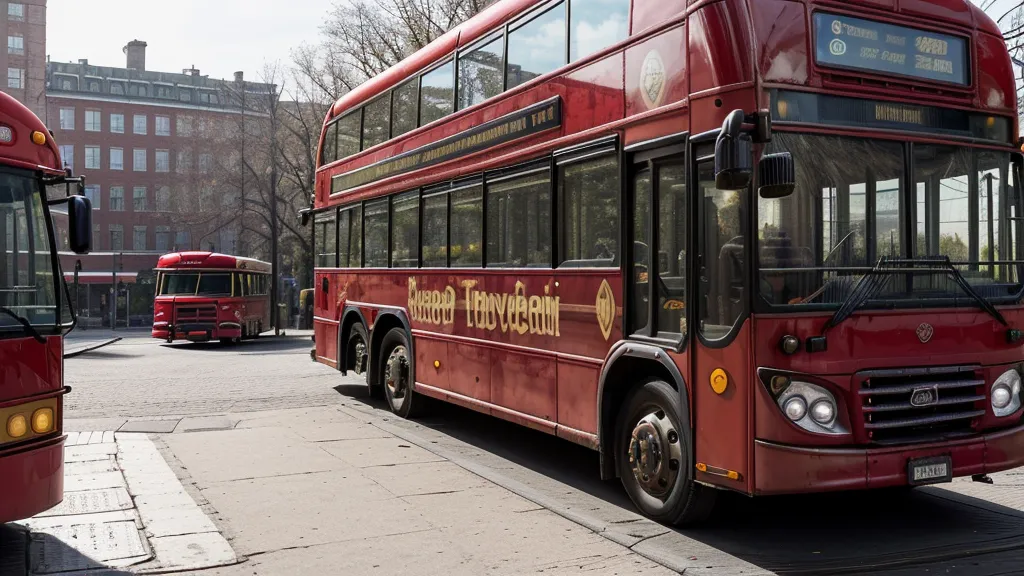
The limestone face of the Union League building only does this for about twenty minutes a day — the afternoon sun raking deep into the window recesses until a flat facade suddenly reads with real depth. Both elbows were braced against the top-deck railing of the bus, shutter speed bumped up to fight the vibration, trying to lock the shot before the next lurch forward. Down on Broad Street the sidewalk was just noise, shoulders and shopping bags moving in a blur. Up here, scouting Philadelphia for a shoot felt less like sightseeing and more like urban exploration with a longer lens.
Quick disclosure before any of this goes further: a couple of the links further down pay me a small commission if you book through them, at no extra cost to you. It doesn't change which stops I think are worth a photographer's time and which ones are a waste of a ticket. Eight years into shooting assignments across three continents, I've sat through enough bad itineraries to tell the difference pretty fast.
The Top Deck Works Like a Mobile Scouting Platform
Back in Brooklyn, I've got a friend who treats the waterfront bike path like other people treat a gym membership, out logging miles before most of the city's awake. I used to think that was overkill until I needed the same discipline for scouting: a predictable loop, ridden enough times, that gets you into position without fighting a crowd for the angle. The Saturday rush at the Grand Army Plaza Greenmarket taught me a version of that same lesson years before any tour bus entered the picture — get there early, or spend the whole visit angling around someone's tote bag.
I'm not on the hop-on-hop-off bus for the canned narration, though a decent chunk of the recorded Philadelphia history is worth half an ear. I'm on it because it works as an elevated tripod. The street grid here was one of the first planned grids in North America, laid out when the city was founded back in 1682, and the narrow blocks of Old City can feel claustrophobic for a wide lens at street level. Ten extra feet of height changes the math completely — it clears the roofline of parked delivery vans and SUVs that usually eat the bottom third of a frame.
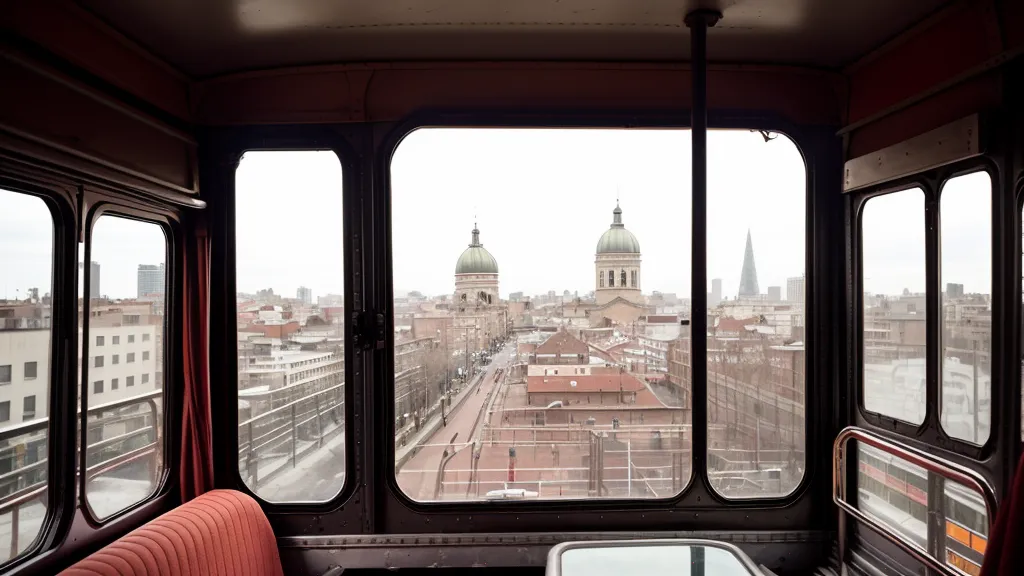
By early afternoon the bus roof was giving off enough heat that the skyline behind it seemed to bend, the way a road looks underwater on a hot highway. That's usually my cue to put the camera down. I was shooting a 35mm prime, trying to hold the rhythm of red brick against a flat summer sky, and I watched the image quality fall off a cliff right around midday. Between eleven and two, the sun sits too high to do anything for Philadelphia's brick and limestone — the shadows go hard and the texture disappears. Ride the loop in that window and just scout instead of shooting.
I'd made a scheduling mistake on this same trip that cost me more time than the hard light ever did. I'd pre-booked an early slot at a different attraction, certain it opened at sunrise, only to stand outside a locked gate waiting for doors that didn't open for another two hours. Two hours of nothing to shoot. Read the fine print on opening times before you lock in a slot, not after.
27 Stops, and Which Ones Are Worth the Window Seat
The Big Bus Philadelphia route runs 27 stops, which works a lot like an express line that skips every local stop you don't actually need. You start in the tight colonial blocks of Old City and break out into something closer to a European boulevard once you hit the Benjamin Franklin Parkway. It's a jarring switch in the best way — one minute you're bracing your shoulder against a pothole jolt on Chestnut Street, telephoto lens clamped tight, and the next the whole horizon opens up.
Roughly a mile long and modeled on the Champs-Élysées, the Parkway gives you a clean line on the flags from the top deck, no heads in the frame. Philadelphia has more public murals than almost anywhere else in the country, and I picked up three new ones on a single loop that I'd have walked straight past at street level. The same break-even math applies to any city attraction pass, including the CityPASS along this stretch of the Parkway — you need four or five sights in two days in a city like New York before the math actually works in your favor. For pure scouting, the bus ticket alone is still the more efficient tool.
It's the same logic I use outside the Vatican — get in line before the group tours show up, or spend an hour staring at someone's camera bag instead of a ceiling. In Paris, the same top-deck trick only pays off on the loop timed to catch the bridges over the Seine at golden hour; ride it at the wrong time of day and you're just sightseeing from a bus like everyone else. Inside somewhere like the Prado, the calculus flips entirely anyway, because the camera stays zipped in the bag no matter how good the light looks through the window. And in London, the hop-on-hop-off math changes again once you count how many Tube stops would cover the same ground for less.
What the Light Is Doing near Philadelphia's Art Museum Turnaround
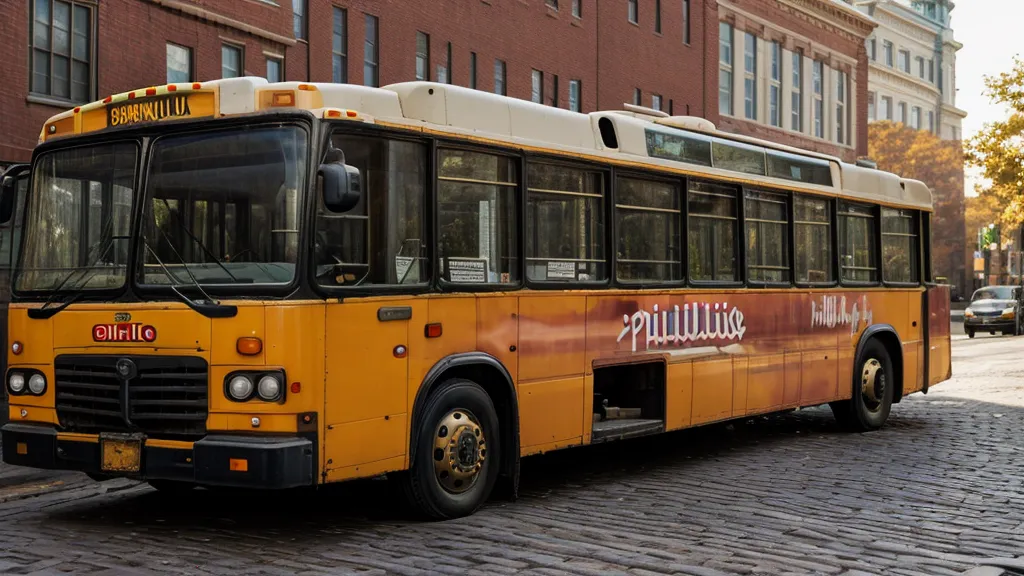
One loop a few weeks back, I stayed on for the whole circuit just to watch how the light shifted near the Art Museum. The Rocky Steps are usually a mess to shoot — tourists doing the run, blocking every clean angle on the museum's Greek Revival columns. But as the bus swings into the turnaround, there's a window of maybe four or five seconds where the frame clears out completely, elevated and unobstructed, like someone handed you a cherry picker for free. I've used the same trick on the Big Bus Washington DC route for the monuments, and the elevated-vantage logic holds up just as well here — the top deck does the same job a cherry picker would, for the price of a bus ticket instead of a rental.
When my feet are done for the day and there's still ground to cover, I'd rather spend less than a round of drinks on a mobile scouting platform than burn four hours walking and miss the light completely — current ticket prices are on the vendor's page since they move around. Shooting neon off a moving top deck at night, like I had to once in Vegas, is a completely different exposure problem than chasing soft afternoon shadows in Philadelphia. Carrying a full gear bag up a narrow staircase on a walking tour in Rome taught me the opposite lesson, that the lighter and dumber setup sometimes wins. Tokyo added one more layer to that idea: a room overlooking the Shibuya scramble turned out to be a better fixed vantage point than any bus seat I've paid for. If you'd rather have a live guide than a recorded loop, GetYourGuide has options for that, though you end up shooting on their schedule instead of yours.
Is the Bus Worth It, or Should You Save the Money for Something Else?
Six weeks into testing multi-attraction passes across different assignments, I got stuck at a turnstile holding a pass I was completely sure covered the venue, watching the little light stay red because I'd bought the wrong tier. City attraction passes aren't interchangeable the way the marketing makes them sound — coverage tiers vary a lot by city, and I check what tier I actually need before I check anything else now.
A small-group wine tour I shot in Tuscany showed me the opposite end of that spectrum — fewer people on board means you can actually ask the driver to pull over for a shot, something no fixed hop-on-hop-off route will ever do. Lisbon's old Tram 28 does almost the same job as a paid bus loop for a fraction of the fuss, if you don't mind standing the whole way. In Seville, the lesson was about timing instead of vehicle — show up at the Alcázar right at opening or fight the crowd and the flat midday sun for a shot you could've had for free an hour earlier.
If you're heading into the city for a shoot, or just a weekend with a decent camera, don't write off the tourist bus as beneath a serious hobbyist. Use it to map the Mural Arts Philadelphia stops, or to find the one corner of Old City where the brick still catches the afternoon sun the way it did three hundred years ago. Hold onto your lens cap once the bus picks up speed along the Parkway — that part isn't a metaphor. The actual takeaway, the one that travels past Philadelphia, is that height is cheap and time isn't: a bus ticket buys you a vantage point and a planning session at once, and that combination beats what most guided tours charge for half the information. You can check the Big Bus route maps and current availability here before you land.