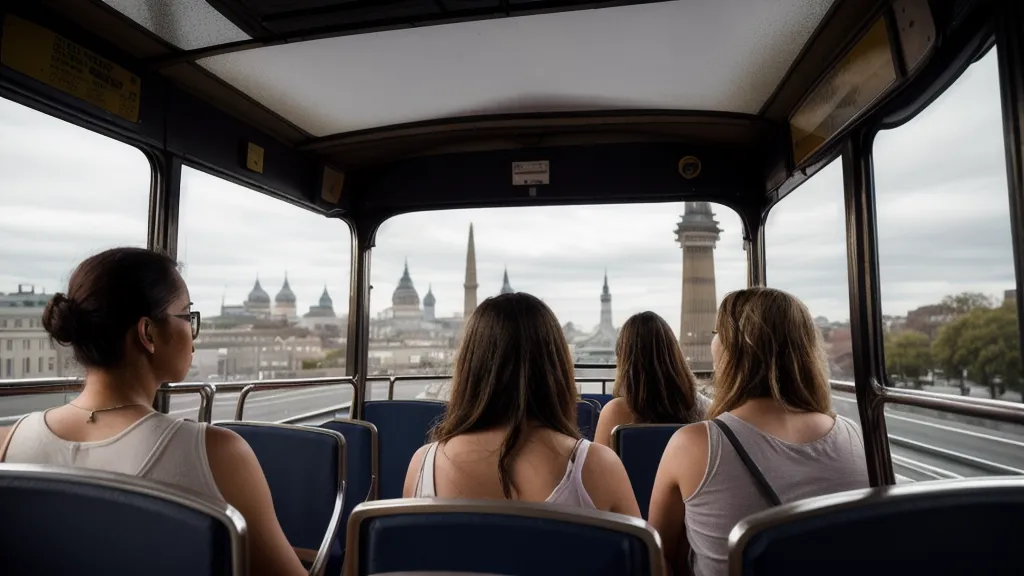
One hundred thirty feet. That's the ceiling on every building in Washington DC — a zoning law from 1910 that's never been touched — and it's the reason the skyline reads flat from the sidewalk no matter how wide the lens goes. I hadn't clocked that yet stepping off the Amtrak at Union Station, Pelican case cutting into one shoulder, still sure my usual travel photography routine — walk the whole route, scout it on foot, wait for the light — would hold up here the way it does everywhere else. Twenty minutes into the humidity, gravel radiating heat like a stovetop underfoot, that plan was already dead, and I hadn't even found the Big Bus stop yet.
Quick disclosure since it's relevant here: a few of the tour operators and booking platforms mentioned on this site pay me a small commission if you book through my links. I test these routes on my own dime, usually mid-assignment, and it doesn't change my notes on which afternoons were worth it. No extra cost to you either way.
Why I Stopped Trying to Walk the National Mall
The National Mall looks like a tidy green rectangle on a map. On the ground it's two miles of exposed gravel and marble that radiates heat like an oven with the door left open. I tried to walk it from the Capitol to the Lincoln Memorial with a tripod in ninety-five-degree heat, and by the halfway mark my shirt was soaked through enough that I looked like I'd fallen into the Reflecting Pool. Dust was already working into the gear, my focus was shot, and I hadn't clicked the shutter once.
That's when a crimson double-decker rolled past the Smithsonian Castle, and it clicked that I needed a mobile, elevated place to stand instead of two more miles on foot. I'd used one of these before — my Big Bus Hong Kong review covers the neon-hunting version of the same idea — but DC plays by different rules. Architecture here answers to the Height of Buildings Act of 1910, which keeps everything under that ceiling I mentioned, and it makes for a flat, open skyline where the best angle is often just a few feet higher than the sidewalk — exactly where the top deck sits. Carrying a second body and a tripod on foot for six hours is its own kind of gear-load problem, and a bus seat solves it without anyone noticing you solved anything.
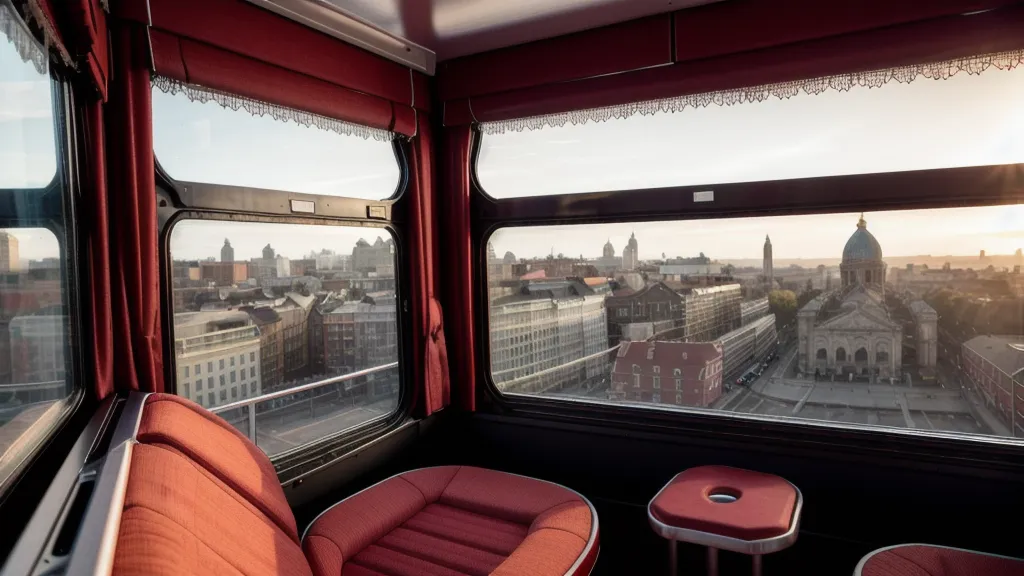
What Does the Big Bus Red Loop Actually Buy a Travel Photographer?
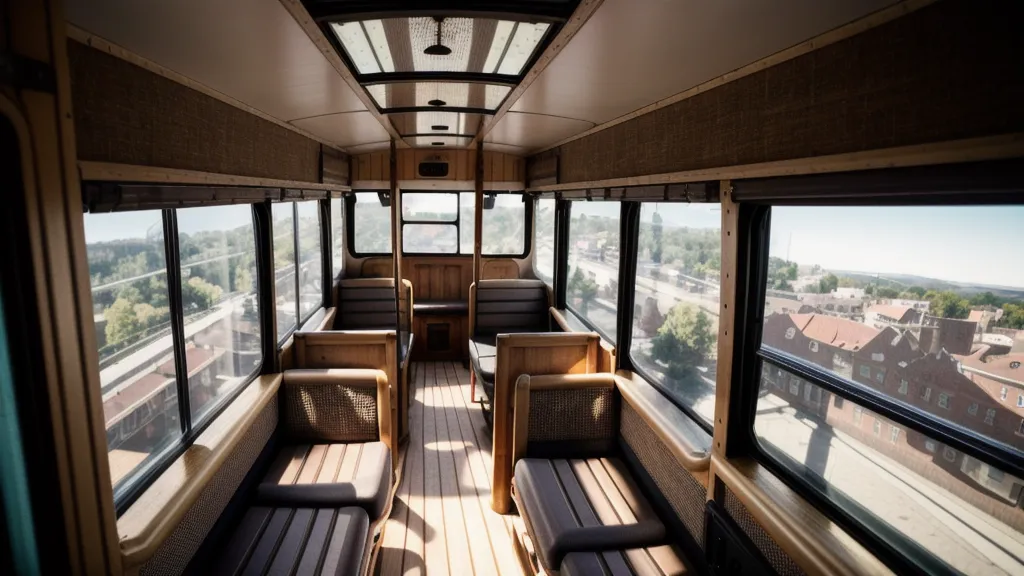
Climbing to the top deck with a 24-hour pass through Big Bus Tours gets you a specific kind of sensory hit — warm diesel and sun-baked vinyl up top, a blast of cold air when you duck downstairs for water, the transit version of a palate cleanser. The narration is better than expected, but that's not why I was up there. I was up there for the height.
The Red Loop is the only circuit that matters for this kind of work. It runs past the White House, the Treasury, and the wall of Smithsonian Institution museums — twenty-one of them scattered through the district, with the core cluster right along this stretch. Shooting from the bus clears the security fencing around the White House in a way the sidewalk never will. With a 70-200mm, I compressed the North Portico against the tree line without a single tourist head cluttering the bottom third of the frame.
Context versus control is the real tradeoff here. The on-board narration hands you more history than my usual photo-walks ever do, but my own pacing gets cleaner shots than a bus running on a fixed schedule ever could. So I used the loop like a lap — scouting light on the first pass, then hopping off on the second once the shadows fell where I wanted them. Whether a hop-on-hop-off pass earns back its price really comes down to how many separate trips across town it replaces in one day, and DC's compact core makes that math friendlier than most cities I've tested it in.
Timing the Jefferson-to-Lincoln Golden Hour
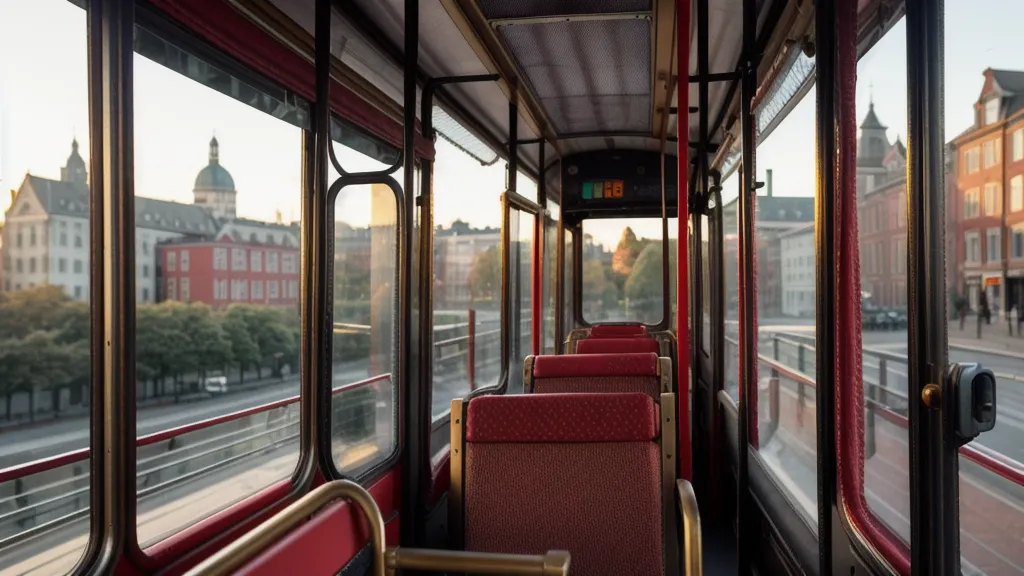
Mid-June light in DC hangs around late, which mattered for the stretch between the Jefferson Memorial and the Lincoln Memorial — normally a frantic rideshare search or a long walk around the Tidal Basin. The bus runs every twenty to thirty minutes, often enough that I caught the 5 p.m. loop, shot the Jefferson from the top deck as we curved around the basin, and hopped off at Lincoln right as the light went honey-thick. Routing the afternoon around where the light actually lands, rather than around the shape of the map, is most of the trick.
About four weeks into folding this kind of route-testing into every assignment, I was on a canal boat in Amsterdam, nowhere near a monument, when it rocked hard coming through a lock and the mirrored bridge sitting in the water broke into shards of blue and light before settling back into place. Height and stability stopped being a nice-to-have after that; they became the actual difference between a shot that works and one that doesn't. It's why I get short with people who write off the top deck of a tour bus as a tourist prop instead of what it is — a moving tripod with a view.
There was a moment of ego-checking too — wondering if fellow editorial photographers would revoke my membership card if they caught me wearing a Big Bus sticker while checking a light meter. Then I looked at three other guys wrestling heavy bags through the humidity while I sat in a breeze, diesel-scented as it was, gear protected. The sticker stayed on.
A CityPASS makes sense in cities where you're hitting four or five paid attractions back to back, and the math tips in your favor somewhere around the third or fourth stop — DC's mostly-free Smithsonians mean that break-even doesn't apply here the way it does elsewhere, and which attractions a pass actually covers changes city by city anyway. I booked my bus ticket through GetYourGuide because the app holds up better than the paper vouchers you sometimes get handed at the kiosks near L'Enfant Plaza.
The Reality of Hop-On, Hop-Off Life
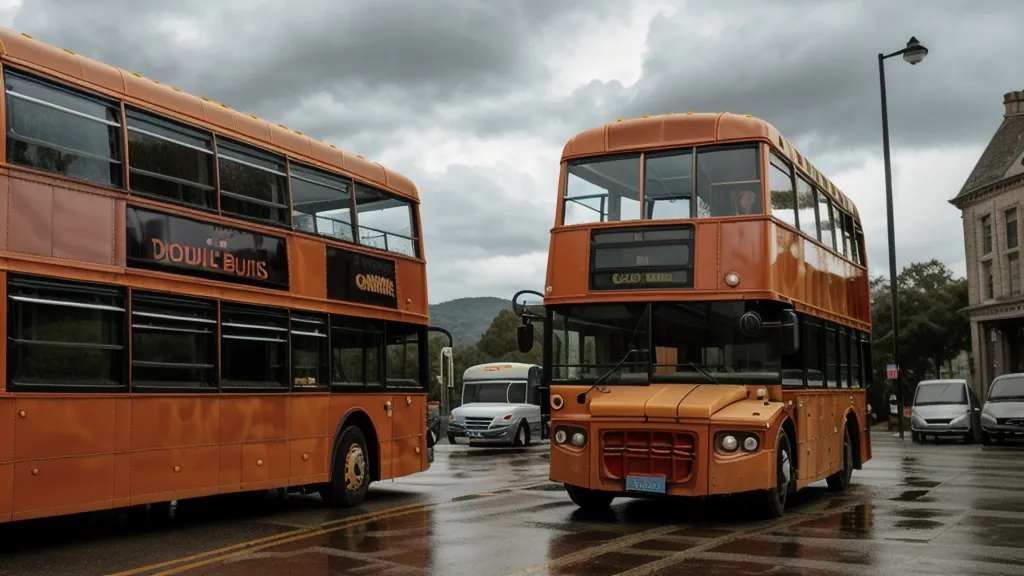
Not every stop is a win. One sweltering afternoon in early July I tried to time a stop at the Vietnam Veterans Memorial, and the bus ran about ten minutes behind schedule thanks to a protest near Pennsylvania Avenue — a standard DC delay. By the time I got there the light was too harsh, so I stood around for three hours waiting for it to hit the names on the wall correctly. When the next bus finally pulled up, the sigh that came out of me as my back hit the plastic seat was audible. My legs were done, but at least I didn't have to navigate the Metro with a tripod while running on empty.
This wasn't the first time a schedule burned me here, either. I'd once pre-booked the earliest tour slot I could find, certain that beating the crowds meant beating the heat too, and stood outside a locked gate for a while before someone told me the site didn't actually open for another two hours. How you handle a line matters more than how early you show up for it, whether you're waiting on a bus or waiting at a ticket booth.
For a backup booking option, or something more streamlined in other regions, Trip.com is usually my pick for Southeast Asia assignments, but on the US East Coast I stick with direct operators or a major aggregator like GetYourGuide. The twenty-four-hour cancellation window matters when DC weather can flip from sweltering to thunderstorm with almost no warning.
A few things this trip wasn't about, worth naming so you don't go in expecting them. Guided-vs-self-guided narration wasn't the question, since I was up top for the seat height, not the history lesson. A small group tour's itinerary control didn't matter either — the fixed loop already went where I needed, just not always on schedule. My hotel window faced a parking structure, so lodging wasn't doing any work as a vantage point this trip, and I skipped the night loop entirely; shooting a skyline through a moving bus after dark is its own set of settings and its own set of problems, a test for another city.
Back in Brooklyn none of this is a problem I think about. My version of a Saturday route is walking over to the Prospect Park Boathouse lawn to catch a friend finishing a loop up the Brooklyn waterfront path, flat ground the whole way, no height ceiling to work around. DC doesn't give you that option — everything worth shooting needs three or four extra feet you don't have standing on the sidewalk.
The Verdict for Anyone Shooting DC on a Deadline
The Big Bus can read as a tourist trap — stay on it the whole loop without ever raising a viewfinder and maybe that's fair. Used as a tool, though, it's mobile scaffolding — it solves the two-mile problem the Mall creates and hands you height no sidewalk offers. It kept my gear dry through a sudden July cloudburst and saved my legs for the shots that actually mattered. Heading to Europe after this, my notes on the Big Bus Vienna route cover a similar case for palace views.
If the goal is capturing the scale of these monuments without the physical toll of a marathon, Big Bus Tours is the one to book. If you're only in town for a single museum and don't care about the exterior architecture, the local Circulator bus is cheaper — proof that public transit can substitute for a paid tour when you don't need the elevation, just lower to the ground and slower to load. For me, the extra ten bucks for the top-deck vantage point paid for itself in that one White House shot alone.
Big Bus Tours
Pros
- + Top-deck height clears security fences for cleaner monument shots
- + Red Loop frequency aligns perfectly with golden hour transitions
- + Air-conditioned lower deck is a lifesaver during DC humidity spikes
- + Mobile scouting allows you to see light patterns across the whole Mall in 90 minutes
Cons
- ○ Traffic near Pennsylvania Ave can cause unpredictable delays
- ○ Top deck offers zero shade during the midday sun