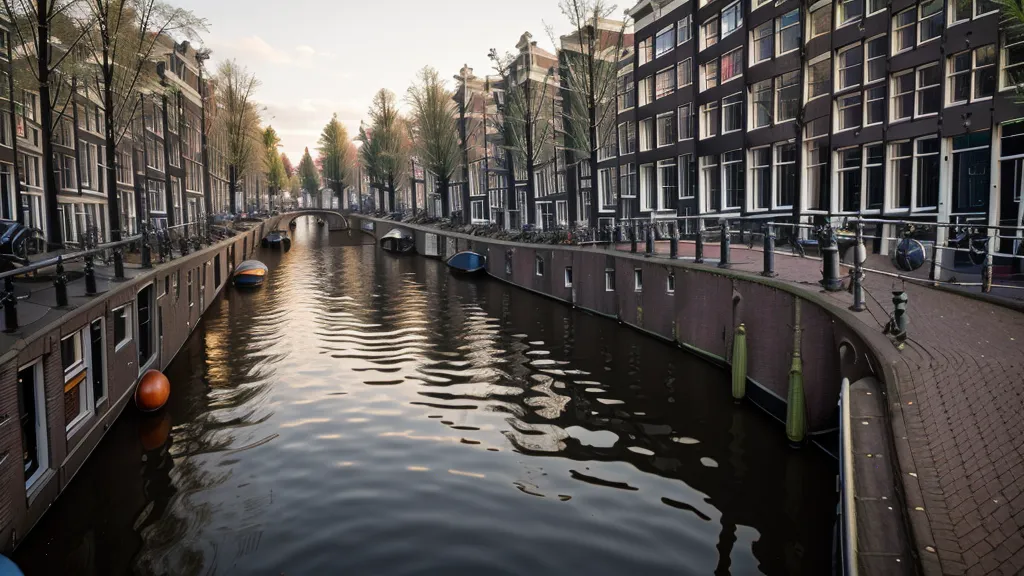
A canal cruise worth bringing a camera on differs from one that's just a pretty ride with a narrator. Stand on the Magere Brug at blue hour with a ten-second exposure locked in and you'll see the stakes before anyone explains them to you: a glass-topped tour boat rounds the bend, the cabin lights blow out the frame, and the reflection you built the whole shot around is gone in under a second. Most Amsterdam canal cruise photography tips skip straight past this and just rank boats by price and stop count. It's as much a travel gear review question as a route question — what's worth packing depends on which kind of boat shows up.
Before boat type even matters, I run every Amsterdam booking through the same skip-the-line thinking that saves a Vatican morning — book against the actual boarding cutoff, not the polite start time printed on the confirmation. I've pre-booked an early slot once, certain that first-in-line meant smart, and stood at a locked gate for two hours because the dock opened nowhere near the listed tour time. That's the whole lesson, really: check when the line starts moving, not when the ticket says the tour begins. None of this is theoretical — it's the same filter I run across dozens of city bookings, and it holds up as well on a canal dock as it does anywhere else.
Why Glass Kills a Canal Cruise Reflection
Shooting through glass costs about two stops of light and adds a layer of reflections no amount of careful framing removes later. It doesn't matter what's in the bag — a fast prime for the low light, something wide for the bridge tunnels — once you're behind a windowed hull with dining lights bouncing back at the sensor, the shot is already compromised. A boat pitching against a lock wall breaks a long exposure in a way a stopped vehicle never has to fight, which is one reason I favor open-air over enclosed even before the glare comes into it. Heat does its own damage on a still afternoon, too — leave a double-decker bus parked at midday and the roof throws enough shimmer to soften whatever skyline sits behind it.
Open-air boats trade a dry seat for unobstructed light, and glass-topped boats trade weather protection for glare you can't shoot around. Given the choice, cold wind on the face wins every time if the alternative is losing the brickwork to a reflection.
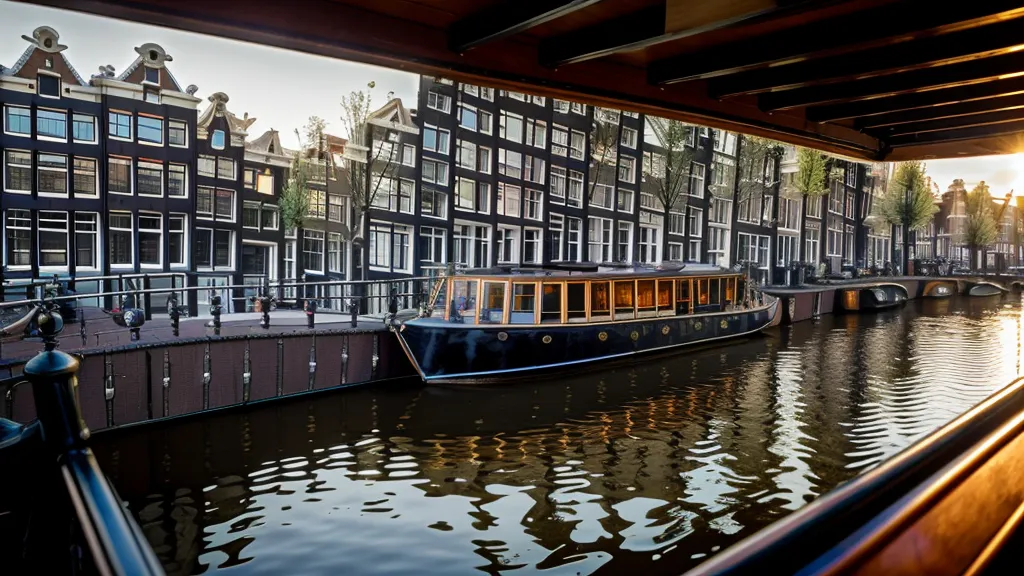
Finding the Seven Bridges Angle From Water Level
The best angle for the so-called Seven Bridges shot doesn't exist at street level — you need to be down on the water, looking along the Reguliersgracht where it meets the Herengracht, a sightline the canal itself blocks unless you're floating on it. The standard canal buses sit too high for this angle, closer to an express line on a subway map: useful for covering ground fast, useless for a low platform. Amsterdam runs something like 165 canals and 1281 bridges, a UNESCO-listed grid that's genuinely hard to read from any single fixed spot.
Smaller, open-air electric boats booked through GetYourGuide let the lens sit inches above the waterline instead, which makes the gabled housefronts read as monumental rather than just old. Whether you want a guide narrating the whole route or you'd rather sit in silence and read the light yourself is its own separate call, one I've written up in more detail elsewhere — here, silence usually wins, since a running commentary competes with the shot you're trying to hold still in your head. Big Bus Tours covers some of the same water, and whether a pass like that earns back its cost depends entirely on how many stops you actually use, a math problem I've broken down separately for hop-on-hop-off routes rather than canal boats. Electric motors also cut the vibration that ruins a handheld shot at a fifteenth of a second — the thrum through the grip stays steady enough to work with instead of fighting it.
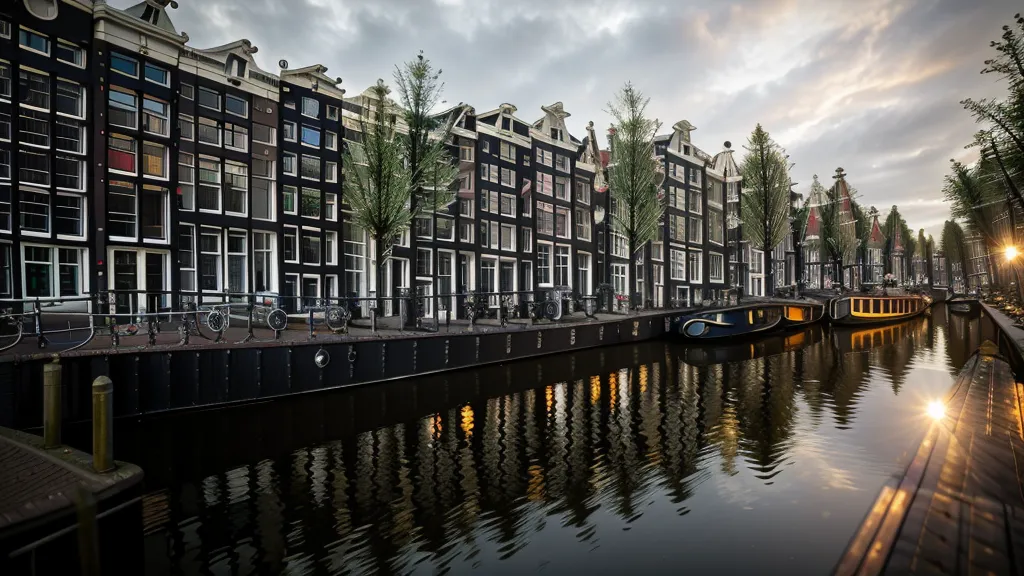
Golden Hour on the Water: Worth the Risk
Golden hour on the water is a gamble here, since the North Sea can turn a clear evening flat gray in the time it takes to walk to the dock. That's why the free-cancellation window on GetYourGuide matters more than a boat's star rating — the booking is a placeholder until the sky actually commits. I once leaned over the gunwale with a wide lens for the better part of a minute, holding my breath to keep a shot of the Westerkerk spire steady in the water, timed right after the locks flush the canals overnight, which is when the reflections actually clean up instead of churning.
I read a canal crowd about the same way I'd read lap traffic on the McCarren Park track before sunrise — early doesn't automatically mean empty, it just changes who else is out there. A neighbor of mine applies the same logic to her rides along the Brooklyn waterfront path: she's not out at eight because that's when it clogs, she's out earlier instead, chasing a different kind of light entirely.
None of this is unique to canals. Anyone who's picked a hotel in Seoul for a sunrise shoot already knows the room you sleep in can be as much of a vantage point as any tour booked around it, and the same rule applies here if your window happens to face the right stretch of water. Routing yourself to actually be in position for the light, rather than just buying a ticket for the right hour, is a separate skill I've mapped out for a hop-on-hop-off loop in Paris instead of repeating here. For assignments across Asia I lean on Trip.com because the inventory runs deeper there, but in Amsterdam the small operators tend to list on GetYourGuide first, which is the difference between a generic ride and a captain who knows exactly what time the light hits the brickwork.
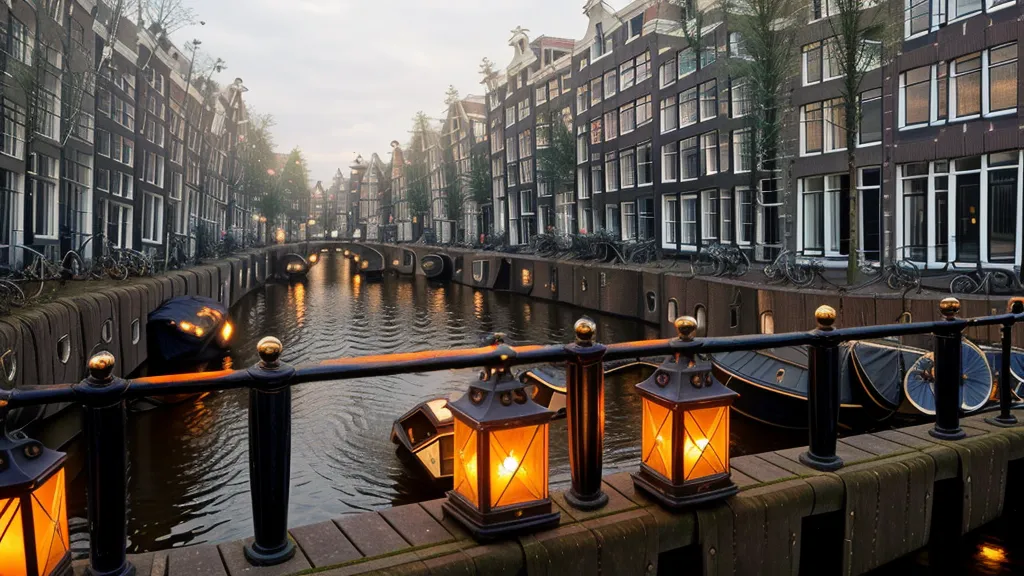
Weigh the Boat Types Before You Book
Three boat types actually matter here, and price is the least useful way to sort them. Open-air electric boats through GetYourGuide are worth building a shoot around — no vibration, no glare, a full 360-degree sightline, and enough operators listed there (the platform covers activities across more than 16,000 destinations) that Amsterdam alone has several worth comparing. Standard sightseeing boats, the kind often bundled into a Big Bus Tours ticket, work fine for a rainy afternoon when the camera's staying zipped in the bag, though I've queued for one of these where the line curled past a gift stall with a good forty minutes still between me and the gangway — worth knowing before handing over an evening to it. Salon boats, the vintage enclosed wooden ones, photograph beautifully from the dock and are miserable to shoot from, since the windows sit at the wrong height for anything but a snapshot.
A CityPASS-style bundle doesn't map onto canal cruises the way it might elsewhere — CityPASS itself only operates in a handful of North American cities anyway, so Amsterdam leaves you with individual bookings as the only option that actually makes sense. Whether a pass like that pays for itself comes down to how many doors you actually walk through, and coverage tiers vary enough by city that the math rarely transfers to something like Chicago architecture photography in the first place.
The Boat Worth Booking Again
The best tour was never going to be the one with the most reviews — it's the one that gets out of the way of the lens. In Amsterdam that means an open-top, electric-powered boat, something that lets a wide angle for the bridge tunnels swap out for a longer lens on the gable details without knocking the hood against a plexiglass panel.
I keep the GetYourGuide app open, watch the radar, and book roughly three hours out from when the sun's going to hit the horizon, booking last-minute against the cloud cover rather than locking in a slot days ahead. Too many dead time slots have taught me that a fixed booking and a dying sky don't negotiate. That's the whole method behind getting all 1281 bridges to look on the sensor the way they look in person, not just in the brochure shot.
If you're ready to get on the water, the current availability for the open-air electric cruises is worth checking before the last-light slots fill up.