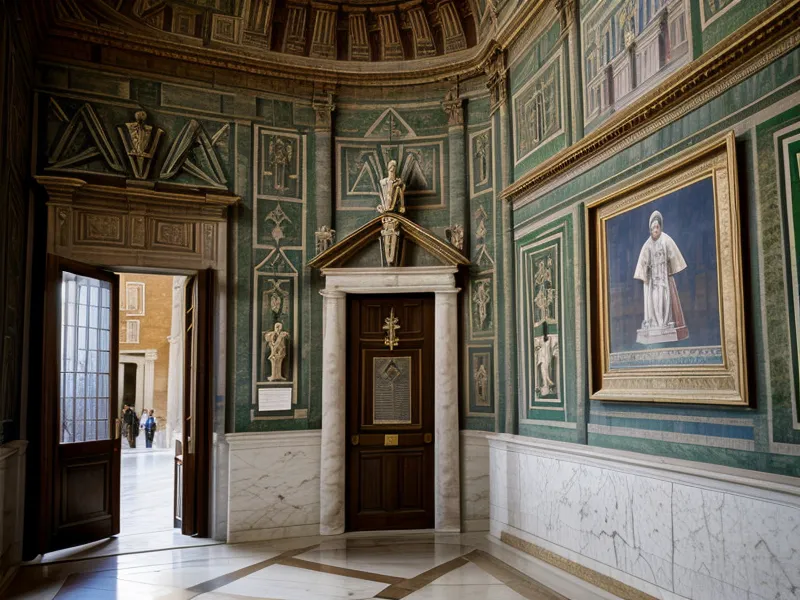
Skip-the-line Vatican tickets disappear two to six weeks before a trip, not two to six days, and the gate rarely has a reliable same-day fallback once the season gets busy. That number is the whole ballgame for anyone trying to do serious photography inside Vatican City. Rome doesn't warn you about this on the way in. You find out when the good entry windows are already gone and you're stuck choosing between a slot with a long line still ahead of you or paying whatever the resale sites are asking.
The Ticket Window Closes Weeks Before You Think
My rule after doing this across enough European stops: buy the timed slot the same week you book flights, not the week you land. Vatican Museums, Sagrada Família, the Colosseum — the pattern's identical, and same-day gate tickets aren't something you can build a shoot around. I paid about €40 for a skip-the-line slot through GetYourGuide, roughly fifteen or twenty euros over the standard Vatican Museums entry, and that premium buys exactly one thing: arriving with a full battery and clear eyes instead of three hours of curb time behind you. That difference matters the second you're trying to get a clean composition in the Gallery of Maps before a tour group turns it into a hallway of raised phones.
Is It Really Worth Paying More to See the Same Paintings?
A friend who spends his weekends playing softball in Prospect Park asked me exactly that, flat out, over beers. Why hand over extra money just to see the same ceiling everyone else sees? Here's the answer I gave him: the extra cost isn't buying access, it's buying energy. Three hours in a line before you've even seen a fresco means shooting with tired eyes and a half-drained battery, and that shows up in the work. Call it a tax on staying sharp, not a tax on getting in.
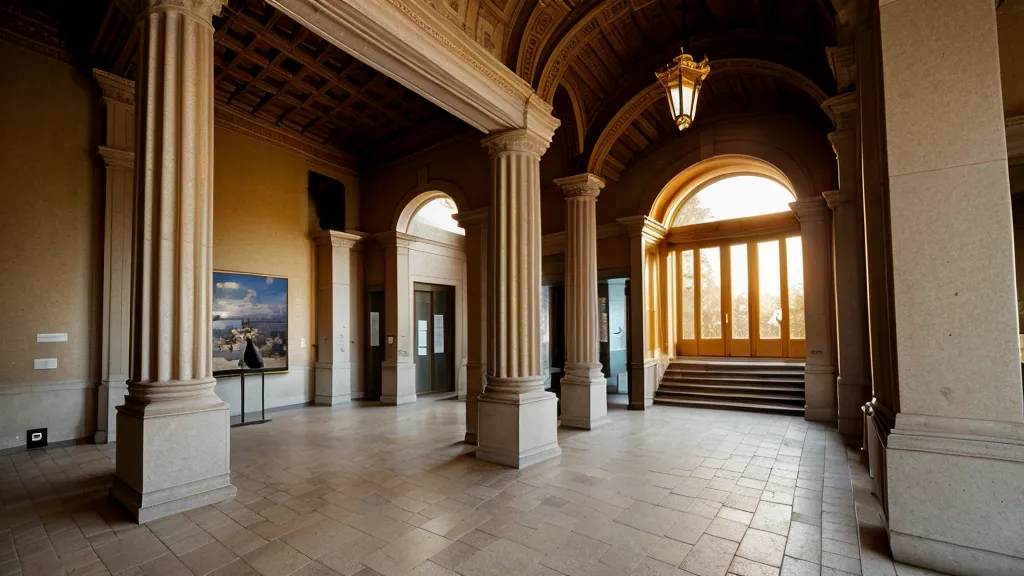
Vatican Museum Photography: Gear Rules to Expect
Bring a wide prime and leave the tripod at the hotel. Without a special permit from the Directorate it's banned anyway, and even a monopod turns into a hassle at the cloakroom. Low light plus a hard no-flash rule means bracing against doorframes and holding a shutter speed just slow enough to keep the ceiling sharp and just fast enough to stop passing visitors from smearing into ghosts. I've gone deeper on the actual kit in Essential Travel Photography Gear for Walking Tours in Rome, but nothing tests a sensor's low-light range quite like these galleries.
There's a mineral cold that comes off the stone in the quieter halls before a tour group has rounded the corner, the kind you feel on your arms before you've even framed a shot. Two hours in, that quiet is long gone, and by the Raphael Rooms the ache in your neck matches the fatigue of scanning for a gap between iPads and the ceiling. The dynamic range doesn't help either, dark corners of Renaissance painting against blown-out windows, and if you're not careful you end up with a mess of silhouettes and white rectangles instead of a photograph.
Guided Tour or Just a Ticket?
I've weighed guided against self-guided access across enough cities that I wrote up the pattern in GetYourGuide After 32 Cities: A Photographer's Filter for What's Actually Worth Your Afternoon, and inside the Vatican a plain skip-the-line entry beats a guided slot every time, because you can't out-argue a guide's fixed pace when you need six extra minutes at one specific window. No guide attached also means no paying for commentary about a family of Renaissance bankers you weren't going to listen to anyway.
Should You Add a Multi-Attraction Pass?
Rome doesn't bundle the Vatican into a multi-attraction pass the way some cities do, so the break-even math that made a New York CityPASS worth it by the third stop just doesn't apply here, you're buying the museum ticket on its own, full stop. If you are pass-shopping in a city that bundles its sights, check what coverage tier you're actually getting, because tiers vary more than the marketing suggests.
Gardens or Galleries: The Trade-Off Nobody Mentions
Here's a trade-off most guides skip entirely: the fast-track museum ticket doesn't include the Vatican Gardens, and the gardens are honestly the most photogenic, least crowded ground in the entire city-state, all the negative space the galleries lack. Choosing skip-the-line entry to the museums means choosing architectural scale and crowd density over quiet, manicured grounds, and no ticket gives you both on the same visit. It's the same trade I noticed writing about GetYourGuide Barcelona Sagrada Familia Tours With Better Photo Access, you're paying for a specific kind of access, and it always costs you a different kind somewhere else. Between a docent's running commentary and an extra twenty minutes of quiet light, I'll take the quiet light every time.
Planning the Rest of Your Day Around the Entry Slot
A fixed entry slot works a lot like a dentist appointment. Show up late and you're not sliding in, you're rebooking, and the whole day behind it shifts with you. Working out the entry time first and building backward from it is closer to timing a subway transfer than planning a vacation day. Where you're actually sleeping barely factors into it the way it did when I was chasing a street-level vantage point in Shibuya, a Vatican entry slot dictates your whole morning no matter which side of the river your hotel sits on.
I learned this the hard way once, chasing a restaurant recommendation off a Tripadvisor top-ten list that had shut down without anyone bothering to update the listing, and ended up watching my bus pull away from the curb with the doors already sealed. The next one wasn't due for another hour, a rough thing to discover when your whole afternoon was built around one specific window of light. Now I check opening hours the same day I check the weather, not the week before. If you're routing a hop-on-hop-off day around other sights, the same flexibility-over-transportation logic applies as it did on a London night route, you're renting the freedom to skip stops, not a faster way to get anywhere specific, and the Vatican doesn't fit into that kind of loop since it needs its own dedicated block of time.
The Exit Is Where You Spend What's Left
The Sistine Chapel is a dead zone for glass. No photos, no video, guards watching closely, so treat it as a mental reset instead of a shooting stop, camera away, let your patience cool down along with the sensor. Save what's left for the Bramante Staircase at the exit, where the spiral geometry rewards a wide angle and a few minutes of waiting for a gap between groups. Late November through mid-February usually gives the cleanest light without Rome's summer haze, its own kind of golden-hour routing, closer to the timing puzzle I worked out planning a Paris hop-on-hop-off loop around skyline light than to anything most Vatican guides mention.
None of this is a moving shot, either. There's no version of the Bramante spiral caught from a bus window the way neon comes together on a night route through Las Vegas, this is a walk-in, tripod-checked, entirely on-foot shoot from start to finish. By the time rain starts on the Viale Vaticano and the cobblestones turn into a dark mirror, the whole point of paying extra for the morning slot is obvious: there's still enough left in the tank to keep shooting once you're back outside.