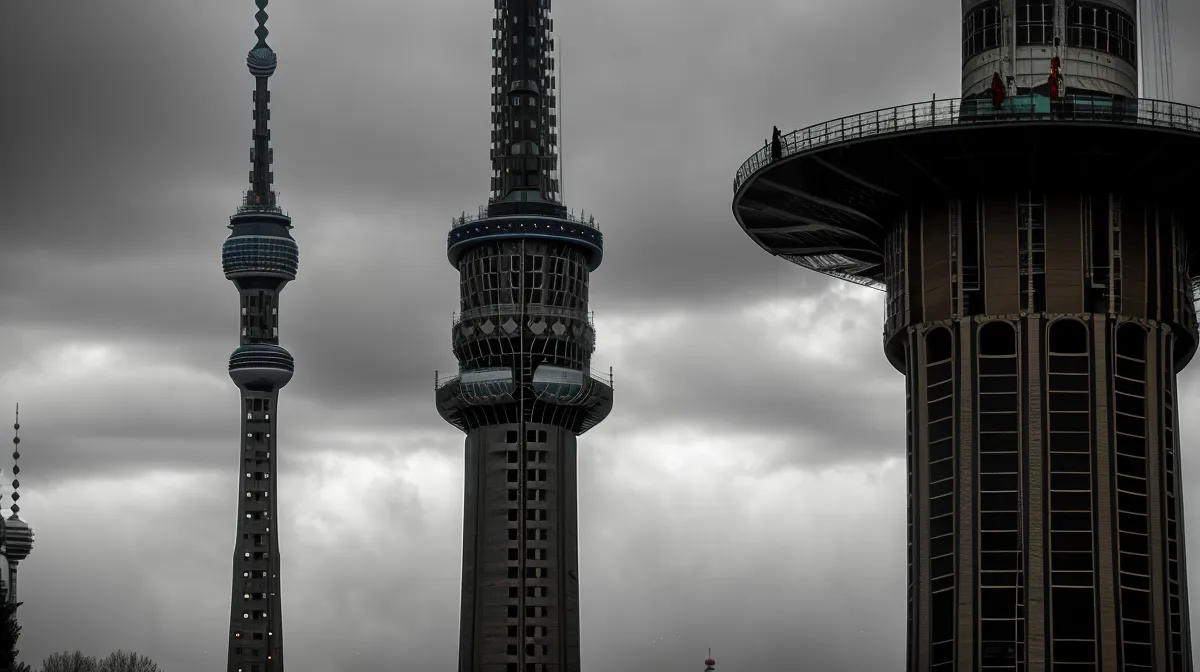
Alexanderplatz was a wash of grey-white fog when I rolled out of the S-Bahn station one drizzly Tuesday morning last November. The Berliner Fernsehturm loomed overhead, its needle-thin spire disappearing into the low-hanging soup, looking more like a Cold War relic than a tourist magnet. Even in the gloom, a massive queue of school groups was already snaking around the concrete base, shivering in neon puffer jackets while they waited for the physical ticket booth to open. I checked my phone, adjusted my bag, and walked right past them.
Just so we are clear: some of the tour operators and booking platforms I mention here pay me a commission when you book through my links. It is at no extra cost to you, and I have personally tested these tickets across 32 cities to see which ones actually save time and which ones are just expensive paper. It does not change my notes on which stops were worth the shutter count and which ones were a total waste of an afternoon.
The Photographer’s Dilemma at 203 Meters
The problem with the Berlin TV Tower isn't the view—it is the glass. At 203 meters up, the observation deck gives you a 360-degree sweep of the city, but it also gives you a hundred other people trying to take the same selfie. For a photographer, space is the primary currency. You need room to breathe, room to swap a wide-angle for a tele without elbowing a stranger, and crucially, room to press a lens skirt against the glass to kill those nasty interior reflections.
I learned the hard way on a shoot in New York that if you do not have a plan for the crowd, you are just taking snapshots of the back of people’s heads. If you are curious how that compares, check out my New York CityPASS Review for Photographers at Observation Decks. In Berlin, the stakes are the same. You are looking at a structure that is 368 meters total height, meaning you are suspended in the middle of the sky with nothing but thick, reflective glass between you and the Spree.
The Digital Bypassing Maneuver
Mid-March, just before the peak season hits, I returned to the tower with a different strategy. I spent the morning scanning platforms for a mobile-first entry that would let me bypass the pavement-level chaos. I ended up on GetYourGuide, which has a massive inventory of around 75,000 activities, including a 'Fast View' ticket for the tower. The digital ticket landed in my inbox immediately, meaning I could skip the 'sold out' signs that usually appear by midday and head straight for the security lane.
The security screening here is no joke—think airport-level scrutiny. But the 'Fast View' entry funnels you through a separate lane. While the general admission line felt like a missed stop on a stalled U-Bahn line, I was through in minutes. I spent more time cleaning my prime lens than I did standing on the pavement. It is the kind of efficiency that makes you realize a good booking platform is as essential as a clean SD card.
The 40-Second Ascent
The faint hum of the elevator as it climbs 200 meters in under 40 seconds is a sensory trip, my ears popping twice before the doors slide open to the observation level. Stepping out, you are immediately hit with the scale of the city. The layout of Berlin is a jigsaw puzzle of Prussian history and Soviet-era urban planning, and from this height, the seams are visible.
The Contrarian Angle: Why Midday Beats Golden Hour
Most photographers will tell you to aim for the golden hour, but Berlin is a different beast. The city’s aesthetic is anchored in harsh concrete and sharp lines. I found that skipping the sunset rush and aiming for the midday sun allowed me to capture the tower’s sharp, structural shadows against the city floor. The light is brutal, sure, but it emphasizes the 'Plattenbau' architecture in a way that soft evening light just doesn't. It is about leaning into the grit of the city rather than trying to make it look like a postcard.
Watching the crowd surge toward the sunset side while I pivot to the shadows of the East, where the light hits the Plattenbau just right, is a moment of pure clarity. While everyone else is fighting for a glimpse of the Tiergarten in the haze, I am looking at the rhythmic blocks of Friedrichshain, finding the geometry in the grid. If you are packing for a trip like this, make sure you have the right glass; my Essential Travel Photography Gear for Walking Tours in Rome guide covers the kind of versatile kits that work just as well in Berlin.
Technical Realities and Late-Season Shoots
Shooting through the glass at the Alexanderplatz tower requires a few tricks. Use a lens skirt or even a dark jacket to hood your lens against the window. The interior lighting is designed for tourists, not sensors, and the glare can ruin a long exposure in seconds. I’ve found that even on an overcast day, the reflections from the internal displays are persistent.
- The Gear: A wide-angle is great for the scale, but a telephoto lets you pick out the details of the Reichstag and the Cathedral.
- The Timing: Aim for a Tuesday or Wednesday. Avoid the weekend surge unless you enjoy being jostled while your shutter is open.
- The Booking: If GetYourGuide is showing a specific time slot as full, I sometimes check Trip.com as a backup, though their cancellation windows are usually tighter.
By the time I headed back down, the queue outside had doubled. I walked out into the crisp Berlin air, my SD card full of sharp, high-contrast frames of the eastern districts, and headed for a coffee. A simple digital ticket turned a high-stress tourist trap into a productive morning shoot. If you are heading to Berlin and want to actually enjoy the view instead of just the back of a queue, grab a fast-track ticket and aim for that high-noon light. It’s a game-changer.
Ready to skip the lines and get the shot? Check the latest Berlin TV Tower ticket availability here and book your slot before the midday rush hits.