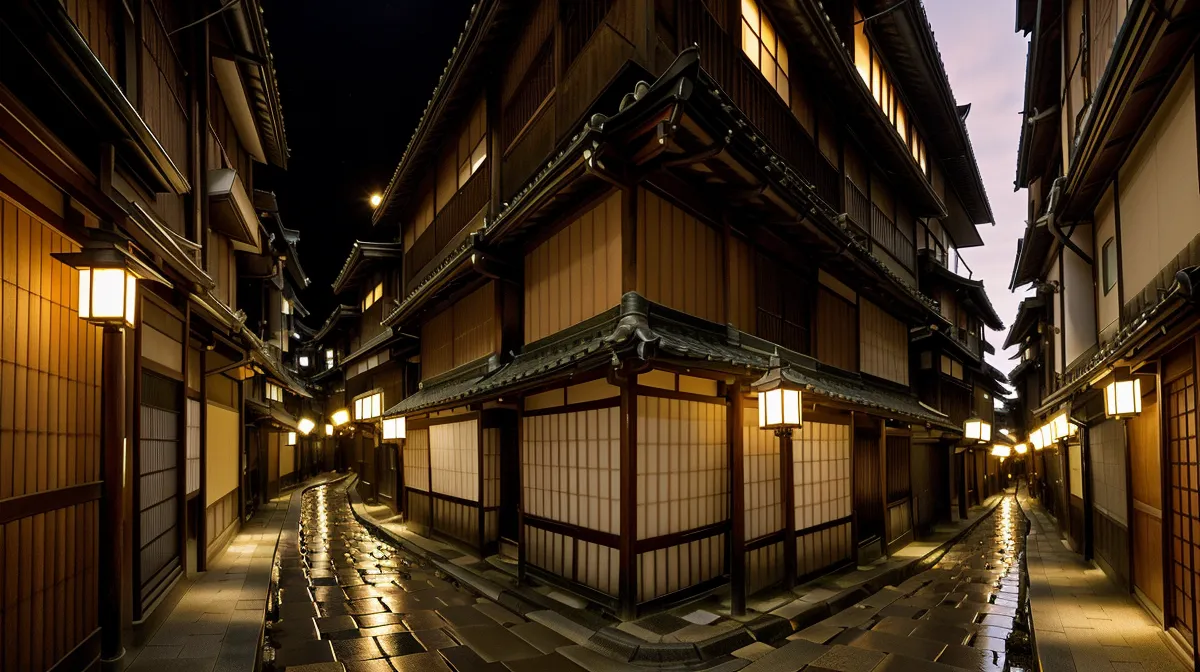
Stepping off the Shinkansen late one evening in November 2025 felt like a hard cut in a film edit. One moment I was in the strobe-light chaos of Tokyo, and the next, I was walking through a Kyoto alleyway where the only light came from the soft, amber glow of cedar lanterns. The transition was immediate. The air smelled of woodsmoke and damp stone. Since I went full-time as an editorial photographer in 2022, I’ve learned that the most expensive part of a shoot isn't the glass in my bag; it’s the time spent figuring out where the 'real' city actually lives. Most first-timers get this wrong in Kyoto. They book a hotel that looks like a ryokan but functions like a Marriott, missing the specific, sharp scent of dried rush grass from fresh tatami mats, which smells like a mix of mown hay and vanilla.
The Shinkansen Silence: First Impressions of Kyoto Light
I arrived during that peak late-autumn window when the maples are deep crimson and the light is thin and golden by 3:30 PM. I’ve shot assignments in 32 cities now, and I’ve developed a sixth sense for tourist traps. Usually, it’s the place with the over-designed lobby and the 'traditional' music played on a loop. In Kyoto, the real design isn't loud. It’s quiet. It’s the way a sliding paper door—a shoji—diffuses light so perfectly that you don't even need a softbox for a portrait. But for a first-timer, this can be intimidating. There’s a fear of breaking a rule, of stepping on the wrong wood, or of being 'too loud' in a space that feels like a temple.
My first stay this season was in the Higashiyama ward. Kyoto is split into 11 administrative wards, and while everyone flocks to the center, I started noticing that the further you get from the main transit hubs, the more the architecture begins to breathe. I wasn't looking for a museum; I was looking for a reset. I’ve spent plenty of time looking at a City Attraction Pass Comparison: What Each Pass Covers and Costs (by City) trying to justify the math for a multi-day shoot, but ryokans are different—they aren't about the quantity of stops, but the quality of the stillness. It’s like switching from a zoom to a prime lens; you have to move your body to get the right perspective.
The Architecture of Silence: Understanding Kyo-ma and Ma
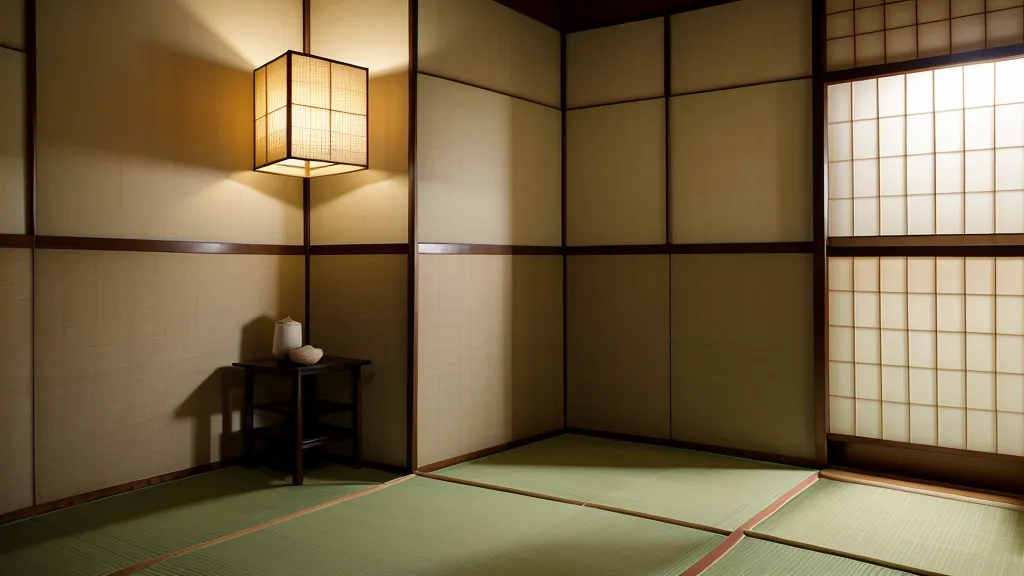
The first thing you notice when you enter a traditional room is the floor. It’s not just a surface; it’s a measurement of life. In Kyoto, they use the Kyo-ma style of tatami, which measures exactly 1.91m x 0.95m. These are slightly larger than the Edo-ma mats you find in Tokyo. It sounds like a nerd-fact for architects, but you feel the difference in the 'Ma'—the negative space. As a photographer, Ma is the breath between subjects in a frame. In a ryokan, it’s the lack of furniture. There is no desk, no bulky chair, just a low table and the floor.
One rainy afternoon in mid-March, I sat on the floor of a 100-year-old room near the Kamo River, watching the rain hit the moss in the inner courtyard. The room was designed for that specific view. Everything was at floor level because that’s where the human eye is meant to rest. If you’re used to the verticality of New York or the density of London, this horizontal living feels like a missed stop on a subway line—you’re not sure where you are, but you know you’ve arrived somewhere different. The intentionality of every square inch is staggering. It’s the opposite of a 'tourist convenience' layout.
The Genkan Threshold: Why Your Camera Bag is Too Big
I had a moment of genuine panic at my second stay. I was carrying my heavy Pelican case—the one that’s survived 32 cities—and I realized it simply didn't fit in the traditional luggage nook. The 'Genkan' is the traditional entryway where shoes must be removed and pointed toward the door. It’s a transition zone. When I tried to shove my gear into the corner of the room, the okami (the innkeeper) caught my eye. She didn't scold me, but she gently moved a small ceramic vase to make room, explaining through a translator that the room is a composition. You don't just add things to it; you negotiate with it.
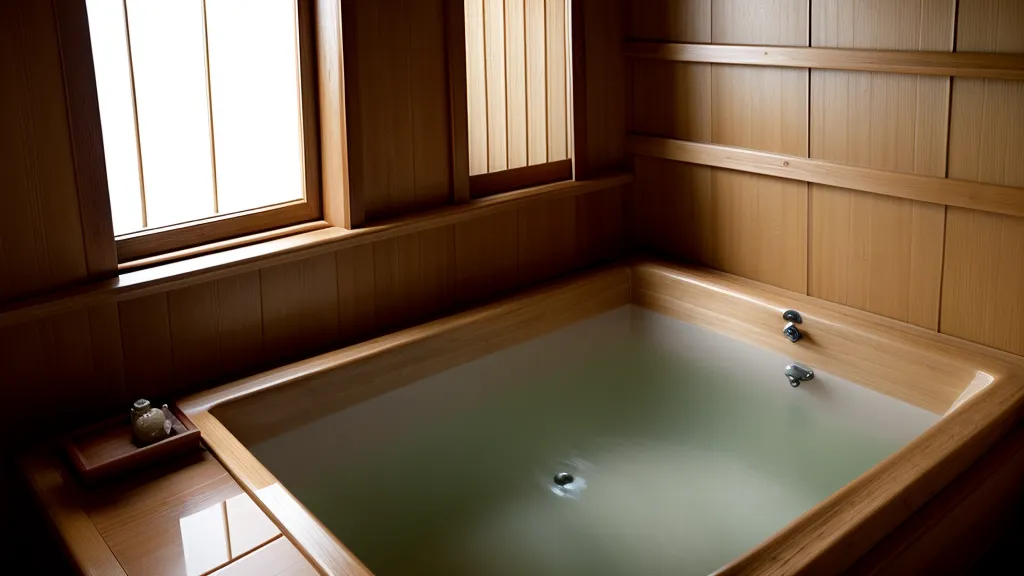
That was the lesson. Every piece of gear I had—the wide-angle lenses, the telephotos, the backup batteries—felt like clutter. Ryokans teach you that you don't need a 24-70mm for everything. Sometimes you just need to sit still. I also learned the hard way about the yukata robes. You must fold the left side over the right; the opposite is reserved for funerals. It’s these small, sharp details that make the experience feel high-stakes, but the reward is a sudden, deep relaxation in my lower back when sinking into a 42-degree Celsius hinoki wood bath after ten miles of walking. Many traditional ryokans use Hinoki (Japanese cypress) because of its natural antibacterial properties and that citrus scent that cuts through the steam.
Kaiseki and the 14-Course Geometry
Dinner in a high-end ryokan is not just a meal; it’s a Kaiseki performance. We’re talking anywhere from 9 to 14 individual courses, each served on a dish that matches the season. In late November, the plates were shaped like ginkgo leaves. In March, they were pale pink to mimic the cherry blossoms. From a photographer’s eye, the geometry of the table is a nightmare of perfect symmetry. You almost don't want to eat it because you’ll ruin the frame.
But you do eat it, and you realize that the 'inconvenience' of the schedule—dinner is usually served at a specific time, no exceptions—is part of the rhythm. It’s like a timed entry at a museum, but instead of a crowd, it’s just you and a series of small, perfect bowls. If you go to the famous historic ryokans in central Kyoto, you might get a version of this that feels a bit staged for Instagram. That’s why I tell people to look at the rural-style outskirts. The service is less 'rehearsed' and more 'inherited.' The drafty hallways and the slightly uneven floorboards aren't bugs; they’re features of an authentic stay that hasn't been sanded down for Western comfort.
Beyond the Gion Tourist Trap: The Outskirt Advantage
My contrarian take after shooting all 11 wards? Avoid the 'famous' spots in Gion if you want the real design experience. They are beautiful, sure, but they’ve become sets. If you want to feel the pulse of old Kyoto, head toward the northern hills or the southern outskirts. The buildings there are often colder, the Wi-Fi is worse, and the futons might feel a bit thinner, but that’s the reality of a 100-year-old structure. Sleeping on a futon on the floor is the best way to reset your internal clock. You wake up with the sun because the shoji screens don't block the light; they invite it in.
By the time I left in early spring 2026, I realized that the best ryokans for first-timers aren't the ones that make it easy for you. They’re the ones that challenge you to slow down. They’re the ones where you spend twenty minutes just smelling the tatami or watching the steam rise from a hinoki tub. It’s a lot like film photography: it’s slower, more expensive, and you can’t see the results immediately, but the depth of the final image is something a digital sensor could never replicate. If you’re coming to Kyoto, don't look for a room. Look for a frame. Look for the Ma. And for god's sake, make sure your shoes are pointed toward the door.