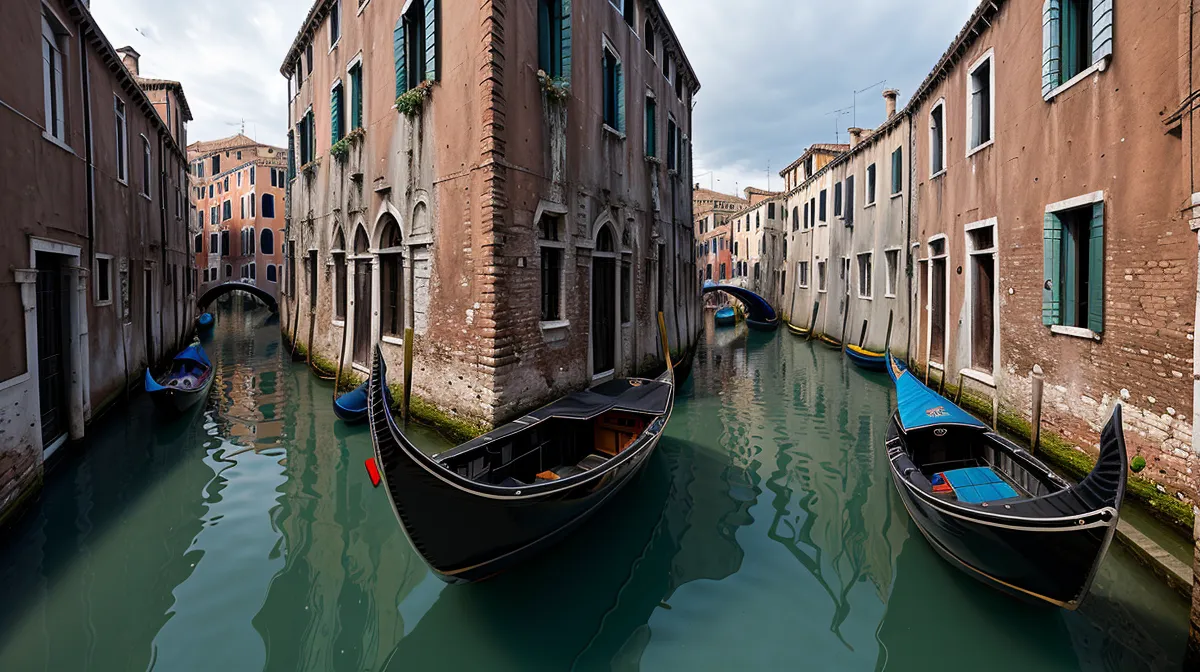
Strangers can ruin a gondola ride. I couldn't give you an exact number, but near the Rialto I once watched three tour groups get serenaded at the same time, oars clacking off hulls packed gunwale to gunwale, camera phones raised over other camera phones, whatever the threshold is, that scene blew past it. This is the gondola tips piece I wish someone had handed me before my first solo Venice activity: which stretch of canal to launch from, how to book it without haggling dockside as one rider up against a boat built for six, and what a photography-focused solo traveler actually gives up by skipping the postcard route.
Before the gondola idea, I tried the free option — joined one of the citywide walking tours with what felt like forty other people, craning to hear a guide who'd stopped bothering to project over the crowd within the first ten minutes. Nothing about that said quiet, and after eight years shooting travel assignments freelance, I've learned that free and quiet rarely show up in the same sentence. So the gondola became the actual test: could a solo rider find the kind of silence a viewfinder needs, or was that just a brochure promise.
Is a Solo Gondola Ride in Venice Even Worth Booking?
Yes — if you're deliberate about where you get on. A standard gondola passenger capacity is six, and gondoliers working the docks near San Marco or the Rialto are chasing that number on every single trip, which means a party of four gets waved aboard before a solo rider standing there first. I lost ten minutes at a busy pier once, trying to negotiate a route in broken Italian, and watched exactly that happen. Venice splits into 6 sestieri, and which one you launch a ride from changes the whole experience — the difference between drifting past the Bridge of Sighs in a floating traffic jam or hearing your own oar hit still water in Cannaregio.
Booking a Quiet Departure Point Without the Dockside Haggle
Skip the pier negotiation entirely and book the slot online before you're anywhere near the water. Filtering through an app with a wide enough inventory — GetYourGuide advertises 75,000-plus activities — is how I found a departure near the Jewish Ghetto instead of the Rialto scrum, a route no street-side hawker will ever offer you. That's guided-vs-self-guided booking in practice, something I get into more in my GetYourGuide review from a photographer's perspective: the best platform is the one that gets out of your way once you've already picked the route. Queue strategy matters here too — arriving with a set time already locked beats standing in a dockside line hoping the next open seat is yours.
The slot departed from a quiet stretch near the Ghetto, paid in advance for around eighty Euros, no cash changing hands at the dock, just a QR code and a set time. It reminded me of catching the Ikea ferry out of Red Hook on a weekday morning — empty dock, no line, nobody performing for anyone. The boat slid into the Rio della Misericordia and the noise dropped out almost immediately: no accordion, no shouting, just the hollow knock of the oar against the hull, bouncing off walls barely wider than the gondola itself.
One warning on gear: the boat's center of gravity is low but constantly correcting for the gondolier's weight, and I nearly sent a lens into the lagoon leaning over to swap a 35mm for an 85mm mid-ride. Pick your focal length before you sit down. Weston Arambula, a friend who shoots nothing but primes and will tell you so unprompted, texted back one line when I described it — "pick one lens and live with it." He wasn't wrong.
You Give Up the Grand Canal for This
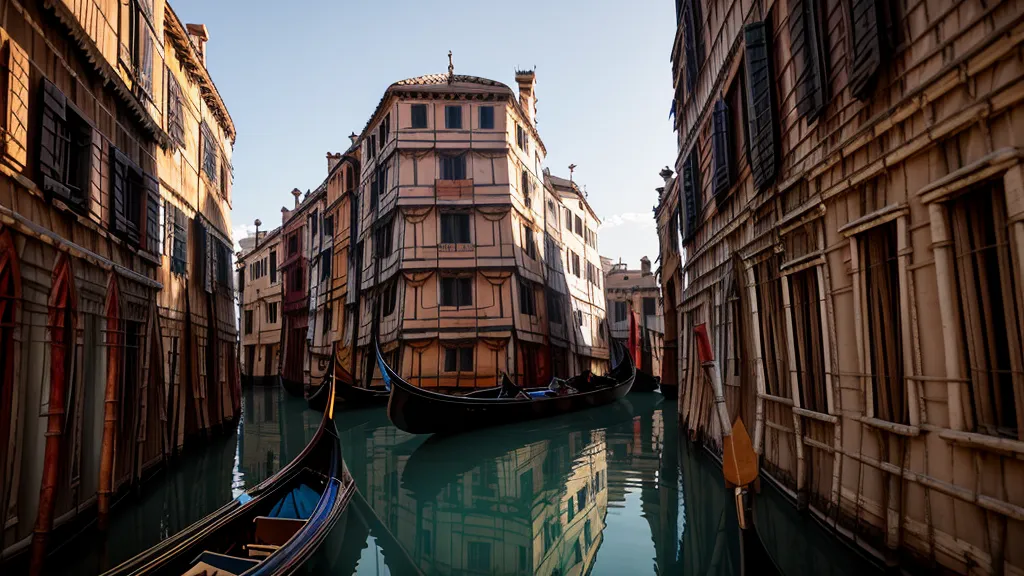
The trade is real. You won't pass the Doge's Palace from the water, and you'll clear three or four of Venice's roughly 400 bridges instead of a dozen-plus on a Grand Canal route. What you get instead is a frame without four other boats in it — a tight, specific shot instead of a wide one crowded with strangers. Whether that trade is worth the money is the same math a reader named Ignacio Sousa uses — a guy in Chicago who logs every trip expense down to the dollar and emailed me a four-paragraph debrief after running one of my Tokyo itineraries, so detailed that I now route draft itineraries past him before anyone else sees them. He calls it pass break-even. For a New York CityPASS at an observation deck, that math is attractions visited against admission paid. For a solo gondola ride, it's quiet minutes against crowd noise — harder to put a number on, but it's the same instinct.
Does the Quiet-Route Trick Work Outside Venice?
This isn't only a Venice problem. Timing and departure point decide whether any paid transit experience feels calm or chaotic, and I learned that the expensive way once, waiting for a hop-on-hop-off bus in Paris that never showed — the stop sat empty, the board blank, and it turned out the last bus of the day had already passed twenty minutes before I got there. Golden-hour routing is basically the fix for that kind of miss: plan the stop order around the light instead of around whatever's closest, the same logic that makes a quiet gondola slot beat a random one.
I can still feel the vibration off an idling engine coming up through an earlier bus bench, a shudder you stop noticing until the bus actually stops and the platform goes quiet enough to hear how empty it is. Hop-on-hop-off economics shift from city to city, too — a flat-rate bus pass that earns its keep over a three-day trip in London can be dead weight on a single-afternoon layover somewhere else. Night exposure from a moving vehicle is its own separate skill, not what this piece is about. Where you sleep factors in more than people expect — lodging as a vantage point matters far more in a city built vertically, like Tokyo, than it does in Venice, where the water does that job for you. And when a city sells its attraction pass in coverage tiers, the tier that earns out over five days is rarely the one that earns out over one layover afternoon.
Whether the Premium Is Worth Paying
Back in the studio in Gowanus, pulling the Venice frames up next to the drive rack to cull, the keepers were obvious immediately: clean water, no life vests in the background, the black hull against a canal gone dark green in the last light. Fewer frames than a landmark tour would have handed me, but every one usable. That's the actual return on the premium — not more photos, better ones.
If you're weighing whether to book ahead at all: GetYourGuide is still what I default to for this kind of routing, mostly because free cancellation up to 24 hours out means I can hold a slot and cancel if the sky turns on me, and mobile tickets work fine even on hotel wifi that barely functions. Big Bus makes more sense for a first pass through a new city than it does for Venice, and a CityPASS-style bundle only pays off once you're actually hitting four or five attractions, not one gondola ride. Trip.com is the one I reach for in Asia specifically, where its inventory beats GetYourGuide's. None of that matters as much as picking the right dock, though. If you're ready to skip the Rialto circus, the quiet route options on GetYourGuide are where I'd start looking before you land.