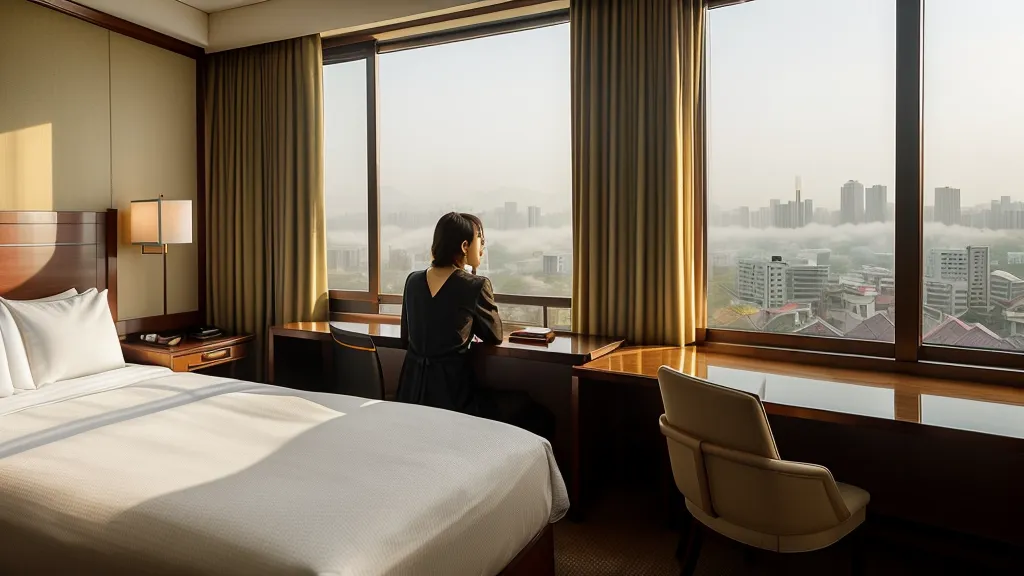
A hotel with a rooftop pool and a forty-minute commute to Gyeongbokgung loses to a plain business stay two subway stops from the gate, every single time. That's the entire logistics problem behind booking a hotel in Seoul for early morning photography — walk-out radius beats amenities, and no star rating fixes a bad commute.
Quick disclosure before the logistics: a few links below, Trip.com included, pay me a small commission if you book through them, at no extra cost to you. That commission has never decided which platform makes this list — eight years of testing hotel and tour bookings on my own card across three continents did that.
The Real Photography Logistics Behind Booking a Hotel in Seoul
Start with the map. Naver Maps or KakaoMap, not Google — Seoul coverage on the Western default is closer to a ghost town of outdated bus stops than an actual street atlas. The same blind spot shows up in hotel inventory. Big global booking sites bury exactly the properties a photographer needs: efficient business chains and the boutique places folded into Insadong's narrow lanes. Trip.com pulls a different slice of stock because it's built around Asian markets first, not retrofitted for them — that's how names like Shilla Stay or L7 show up in the results, chains built for short-stay travelers who need a 24-hour automated check-in kiosk more than a lobby bar with a view.
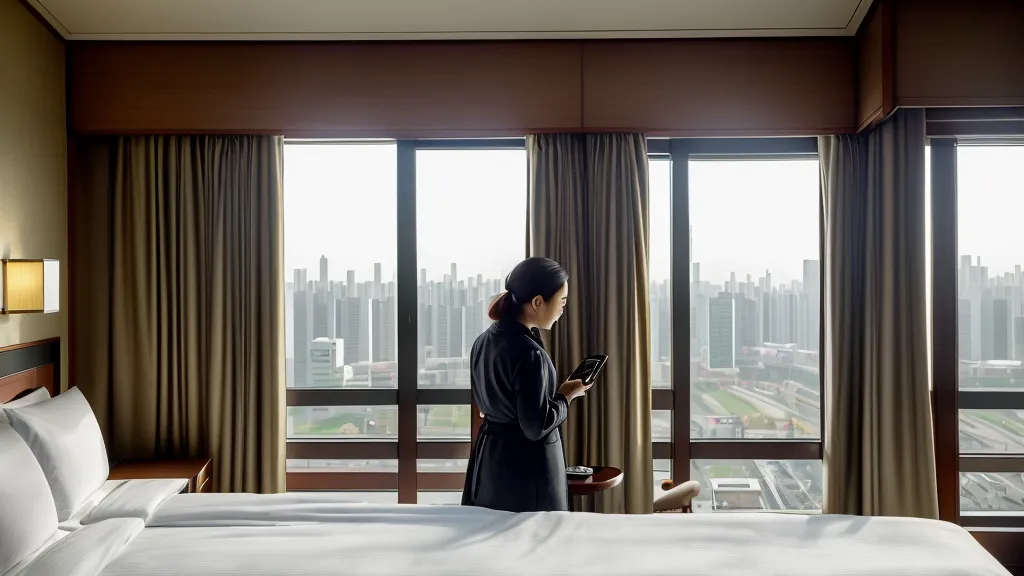
That kiosk matters more than it sounds. A flight out of JFK that lands in the middle of the Korean night makes a live front desk optional at best — you want a machine that doesn't care what your internal clock thinks the hour is.
The Walk-Out Radius Rule for Jongno-gu
Jongno-gu is where this gets specific. Gyeongbokgung closes every Tuesday, a detail that ruins more itineraries than the weather does — if your one open morning lands on a Tuesday, pivot to Changdeokgung instead, though check its own calendar too, since it tends to close on Mondays. Neither fact shows up on a hotel listing, only on the palace's own site, which is exactly the kind of gap a walk-out radius alone doesn't fix.
A listing that promises "five minutes from Bukchon" can be about as reliable as a delivery app's fifteen-minute estimate — technically true only if every light is green and nobody accounts for the hill. Naver's satellite view will show you the construction crane that a global aggregator's stock photo won't; check it before you book, not after a pile driver starts working the lot next door.
I've followed a Tripadvisor top-ten list straight to a restaurant that had shuttered months earlier — the list never gets pulled, the star rating never resets, and the same rot applies to hotel pages on the big global platforms. A listing that was accurate two years ago just sits there, uncorrected, while the block around it changes underneath it.
A friend of mine picks his weekend softball games off the Boathouse lawn in Prospect Park the same way — not by which field looks nicest, but by which one he can walk to before parking around the park disappears. Same math, different sport. It's never really about the room.
Bundling the Airport Transfer With the Room
Seoul rewards planning the transfer and the room together, not separately. Through Trip.com's app, an AREX Express Train transfer bundles with a hotel stay near Seoul Station — the AREX runs a nonstop 43 minutes from Incheon International Airport into the city center, no local stops. Locking both into one cart means every QR code you need lands in the same digital wallet instead of three different apps.
A hotel near the station also means the subway matters more than the neighborhood's reputation. Seoul Subway Line 1 rolls its first train at 05:30, and being close to a major hub like Seoul Station or Myeong-dong means you're not burning half that head start on transfers before you've even reached your first location.
I learned the value of that kind of timing somewhere else entirely — the dome entrance at Gardens by the Bay in Singapore, where the ticket queue wraps the block at midday and is nearly empty by seven in the evening, same dome, same ticket, a completely different visit depending on the hour. Seoul runs the same trick at the other end of the clock: get the early train working for you and the crowds simply haven't shown up yet.
Outside Gyeongbokgung's ticket queue, the smell is always the same layered thing — diesel drifting off idling tour buses, tangled with fried dough working off a cart parked at the corner — and it's the exact smell you skip by already holding a ticket and walking in from three blocks away instead of standing in it with the day-trippers.
Why Chungmuro Proximity Matters
Gear failure doesn't wait for a good time. Chungmuro holds a dense cluster of camera rental shops and repair counters, and booking a stay within a few subway stops of it is a safety net most travelers never think to check for — until a filter cracks or a battery dies mid-shoot and there's nowhere close to fix it.
Localized platforms map these micro-neighborhoods with more precision than the Western sites manage. Trip.com understands that a listing tagged "near Bukchon" might actually sit across a six-lane road that takes a quarter hour to cross on foot — the kind of detail that only shows up on an app built for this specific market instead of adapted for it.
Where Guided Access Still Beats Solo Scouting
Not every shot comes from wandering off alone. Whether a guided tour is worth it over scouting solo is its own math — a longer argument for another time — but in Seoul specifically, GetYourGuide is where photographers find fixers and night-photography tours that land on rooftops a solo booking never would. It's a different transaction than a standard bus tour, closer to a shortcut through weeks of networking than a ticket purchase. The same principle got its own writeup in GetYourGuide Barcelona Sagrada Familia Tours With Better Photo Access, where the right booking changed the entire angle of the shoot.
What I Check Before I Book
The checklist by now is short but non-negotiable. Naver Maps goes on the phone the moment I land, cross-checked against whatever booking app shows the walking distance to the nearest subway exit. A T-Money card comes from the convenience store that's almost always within fifty feet of a Jongno-gu hotel, faster than buying single tickets every ride. Palace timing gets confirmed twice — Gyeongbokgung closed Tuesdays, Changdeokgung usually closed Mondays — before any sunrise alarm gets set. Gear storage matters on the back end too: the business hotels mentioned earlier almost always carry high-security luggage lockers that fit a full-sized roller bag, useful on a checkout day that still ends with a sunset shoot.
Hotel logistics in Seoul is one line item in a bigger notebook I run everywhere — the break-even math on a multi-attraction pass, how long a monument's queue has to be before skip-the-line access is worth paying for, whether a hop-on-hop-off ticket actually pays for itself over buying single fares, plotting that same bus route around where the light will fall at golden hour, weighing what a city pass covers against what it just pads out, or checking if a moving bus at night can even hold a long exposure. Choosing where to sleep is just the version of that math that happens before the trip starts — the same logic behind Finding Cheap Flights to Bangkok for a Photography Trip, save the energy and the money on getting there so there's more of both left for the ground.
If you're booking directly, Trip.com's Jongno-gu business-stay inventory is where I'd start looking — Trip.com — because the version of Seoul worth photographing is the one before the tour buses arrive, and that only happens if your alarm and your walk to the gate cooperate.