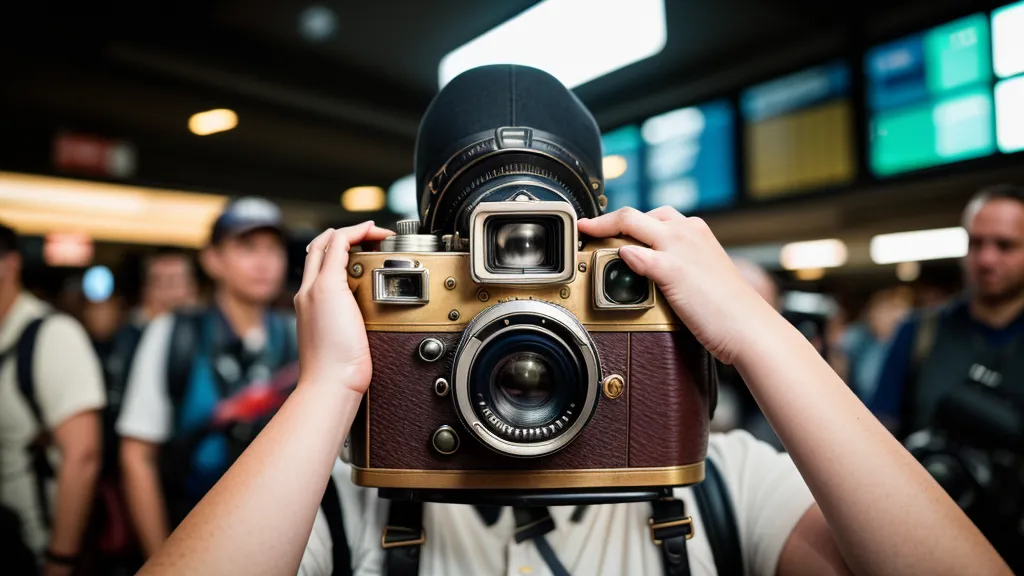
Seven kilograms is the standard carry-on allowance on most budget carriers flying into Bangkok, about the weight of one mirrorless body, one zoom, and nothing else. That number decides more about a Bangkok photography trip than any fare comparison site ever will. A flight-tracking app will show a fare drop and call it a win. It won't tell you the seat comes with a baggage policy built for backpackers, not a production case full of glass.
Budget travel and gear-safe travel are not the same trip, even when they land at the same gate. I've weighed a legacy carrier's higher fare against a budget connector's lower one more times than I can count, and the math never lands where the price alone suggests it should. Cheap is a relative term once camera gear enters the equation, and the flight that actually arrives with your lenses intact is the only one worth calling a deal.
The Weight Limit That Decides a Bangkok Flight
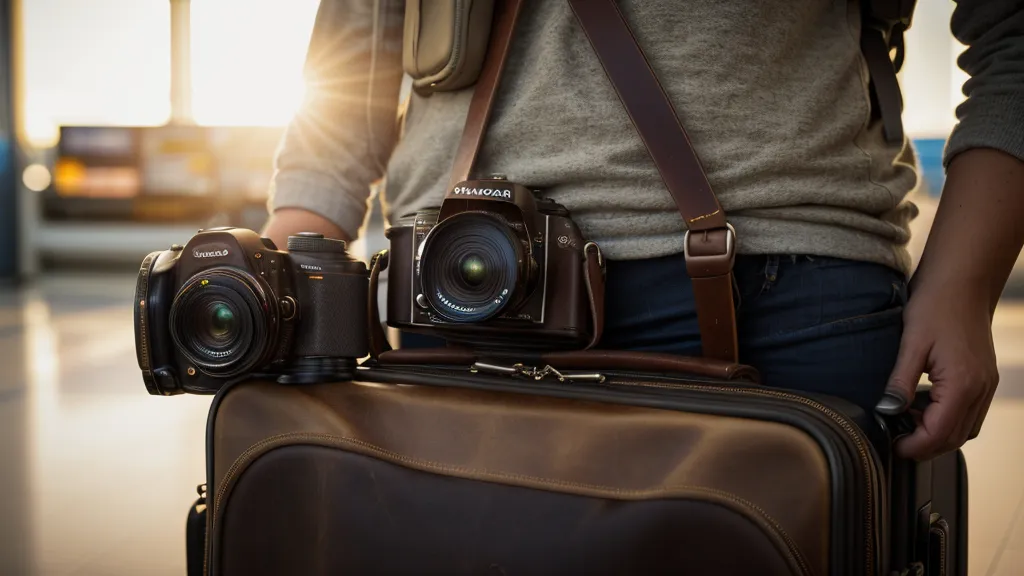
Most regional budget carriers connecting into Bangkok cap carry-on at seven kilograms, and that turns into a liability fast once you count two bodies, a 70-200mm tele, and a couple of fast primes. A friend of mine, Weston Arambula, who's logged more time shooting Southeast Asia than I have, won't discuss a carrier that doesn't leave room for a full set of primes in the bag, a fact he'll mention within five minutes of meeting him whether you asked or not. When I floated a Don Mueang budget route to him for the savings on the long-haul leg, he asked one question: which lens gets gate-checked first. That's the actual cost of a cheap flight. Not the number at checkout. The bag you have to leave with the gate agent.
Before booking anything, I run the packed bag through the same test twice. First it goes on the scale next to the two rolling gear carts parked by my studio door in Gowanus, the ones that hold everything I don't trust to a shared cargo hold. Then it goes on my back for a loop of the track at McCarren Park, just to feel whether a rushed connection with that weight digging into my spine is actually survivable. A flight that passes the first test and fails the second isn't a deal, it's a different trip. Anyone assembling essential travel photography gear for a trip like this should weigh the bag before they compare a single fare.
BKK or DMK: Which Airport Actually Saves You Time?
Suvarnabhumi, BKK, is the glass-and-steel hub that takes most long-haul arrivals from the US and Europe, connected to the city by a rail link that clears customs and immigration inside an hour on a normal day. Suvarnabhumi handles volume well, but the immigration line is the one part of the trip you can't price-shop your way around, no matter how sharp your queue strategy is elsewhere in the city later.
Don Mueang, DMK, runs the budget carriers instead, older, louder, and often close to half the price if you're connecting through Tokyo or Singapore. Don Mueang also drops you further from the center with a thinner rail connection, so the fare saved on the flight gets spent back in taxi time. Fares into DMK ran nearly half of BKK's during a recent Lunar New Year rush, and that gap is real. It only pays off if your first shoot isn't scheduled for sunrise.
The Layover Is Where the Trip Gets Decided
Flying from the East Coast means picking a layover, and that layover either extends the trip or just delays it. A 12-hour stop in Tokyo isn't dead time, it's a bonus shoot, and booking the longer layover at Narita has dropped the total fare for me more than once. It also leaves enough daylight for day trips from Tokyo before the final leg into Thailand.
A short layover works against the same math. One Taipei connection looked like the best fare on the board until I noticed the transfer window sat under an hour, and with three gear bags and a tripod, a missed connection there means losing the first sunrise in Bangkok entirely. A layover that tight isn't a bargain, it's a bet against your own gear making the second flight.
Book Early, or Wait for the Seat Dump
Booking six months out locks a fare, and locking a fare feels responsible right up until the price drifts lower every few weeks afterward. The alternative, better suited to freelance scheduling, is waiting for the seat dump that airlines run on the Bangkok route about ten to fourteen days before departure, when a premium economy seat with real carry-on room drops to standard economy pricing on a flight running half-empty.
A reader named Ignacio Sousa, who logs every dollar of a trip down to the smallest expense, ran his own version of this math after I mentioned the seat-dump pattern to him. He treats it the same way he'd judge whether a city attraction pass will actually break even before the third stop, and the logic transfers cleanly: a fare only counts as cheap once you've subtracted what it costs in flexibility, gear risk, or lost shooting time.
Land for the Light, Not the Lowest Fare
The arrival time matters more than the fare once gear is solved for. A 6am touchdown at BKK gives a full day to adjust before the light turns hard, enough time to drop bags and get to the street markets while shadows are still soft. It's the same calculation as scouting the best lighting for London street photography, arrive before the crowds and the light does half the work. An 11pm arrival sounds harmless on paper, but by the time a taxi clears the expressway into Silom, blue hour is gone, the kitchens are closing, and the flight has left you too wired to sleep anyway.
Golden-hour routing isn't only a hop-on-hop-off problem in some other city, it applies just as much to a red-eye landing in Thailand. I once rented an audio guide at the entrance kiosk on a rough arrival day, hoping to coast through a temple visit without much effort, only for the batteries to die before I'd heard a full sentence. Smaller version of the same mistake as the cheap flight: the saving didn't survive contact with the actual day.
Whether to hire a guide once you land or just wing it alone is its own trade-off, similar in shape to the guided-versus-self-guided debate that comes up with city tours elsewhere, and it hinges on the same variable, how much of your first day you're willing to spend figuring things out instead of shooting. I've scanned a combo ticket at the foot of an observation deck once, certain it covered the elevator, and watched the turnstile blink red because the pass I'd bought only covered a lower tier. That kind of mismatch costs more than the flight ever does, in time you don't get back.
Land at the right hour and the Chao Phraya gives the same reward every time, a skyline that starts doubling itself in the still water below as the sky drops through blue hour. That's worth more than the $200 I once saved by booking a noon arrival and then sleeping through the best light of the day in a jet-lagged fog.
None of this reduces to one correct airport or one correct booking window. Choose Don Mueang and the seat-dump timing when the budget matters more than the schedule and the gear list is light enough to survive a thin connection. Choose Suvarnabhumi and a locked-in legacy fare when the trip is short, the shot list is fixed, and losing a day to jet lag or a mishandled bag isn't a risk worth the savings. The cheapest flight to Bangkok is never the one with the lowest number on the screen. It's the one that gets your gear and your schedule to the same place at the same time.