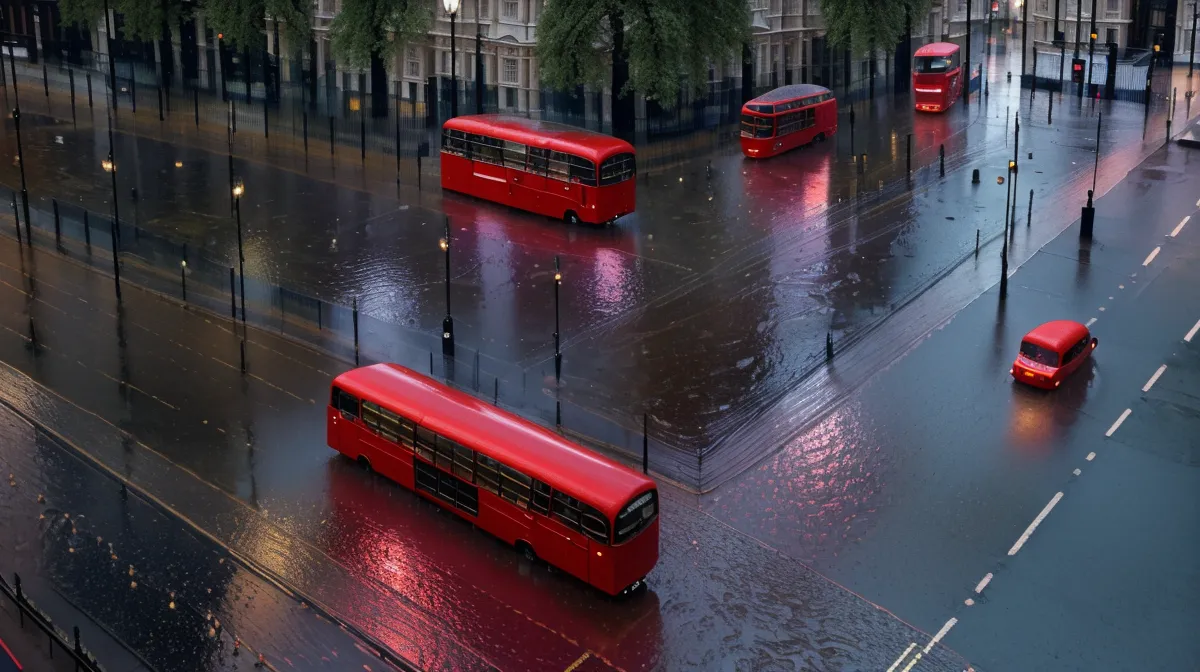
My shutter finger is already working before I've even crossed the street, swinging the camera from a red phone box to a stretch of wet Portland stone, testing exposure against a sky that refuses to pick a mood. That's the whole trick behind London street photography, and it's less a travel tip you'd find in a guidebook than something you only learn by watching the sky do something no guidebook mentions: the milky, flat overcast tourists complain about is the best light this city gives you, better than any clear-sky golden hour, and once you stop waiting for the sun to break through, every shot gets easier.
Back at the Bushwick Collective on Troutman Street, that same midday sun turns the mural walls into a fight between blown highlights and ink-black shadow, the kind of contrast a sensor can't hold onto. London flips that problem inside out. The permanent cloud layer works like a diffusion panel the size of the whole sky, wrapping soft light around every face and building front, which is why you can shoot wide open on a fast prime without worrying about your dynamic range falling apart.
A friend of mine spends weekends cycling the Brooklyn waterfront path chasing a completely different problem: flat, bright light with nowhere to hide, which is nothing like what London throws at a lens.
Why Does Overcast Light Beat Direct Sun for London Street Photography?
Photographers who land at Heathrow chasing a classic golden hour are playing a losing game in this city. A flat, bedsheet-grey sky turns out to be the most forgiving light there is. It fills in deep eye sockets, gives the Portland stone architecture a clean, almost ethereal glow, and lets the red of a double-decker pop against a desaturated background without looking like a heavy-handed filter.
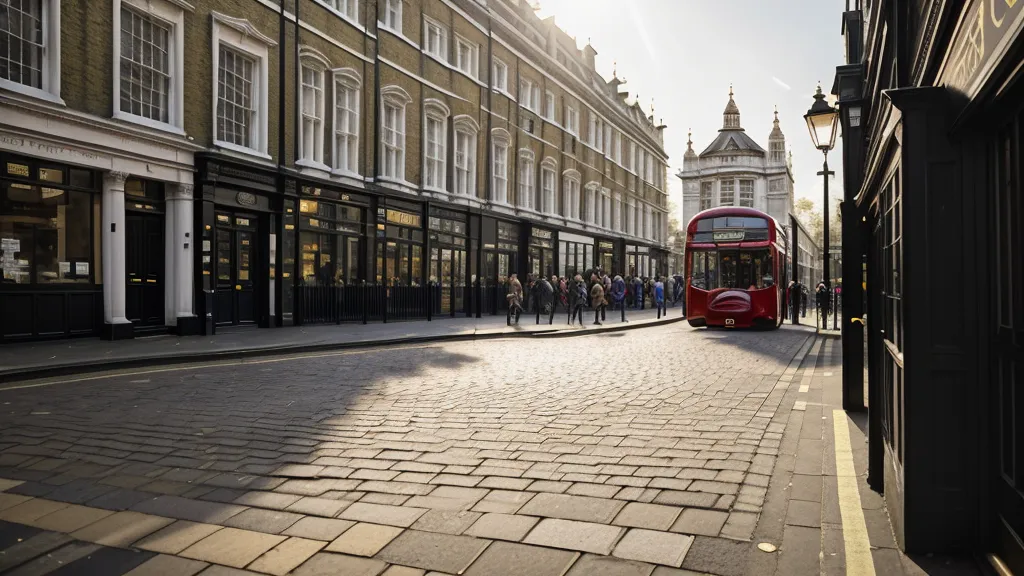
One damp morning near Blackfriars Bridge, I watched how the light hit the pavement without ever really shifting. When the sky sits this overcast, direction stops mattering. Point the lens north, south, east or west and the exposure reads the same every time, a kind of reliability no transit line in this city ever offers. I shot most of that stretch at f/1.8, letting backgrounds melt away while the soft light kept commuters' skin tones honest. Try that same aperture at noon in Miami or Rome and you'd get raccoon eyes and blown highlights instead.
The Hop-On-Hop-Off Bus as a Scouting Platform
Hop-on-hop-off buses have a reputation as a tourist trap, and most of the time that reputation is earned. Used differently, the upper deck turns into a slow-moving scouting platform, elevated above street-level clutter, making it easy to compare how light pools in the narrow alleys of the City of London against the open ground of Trafalgar Square.
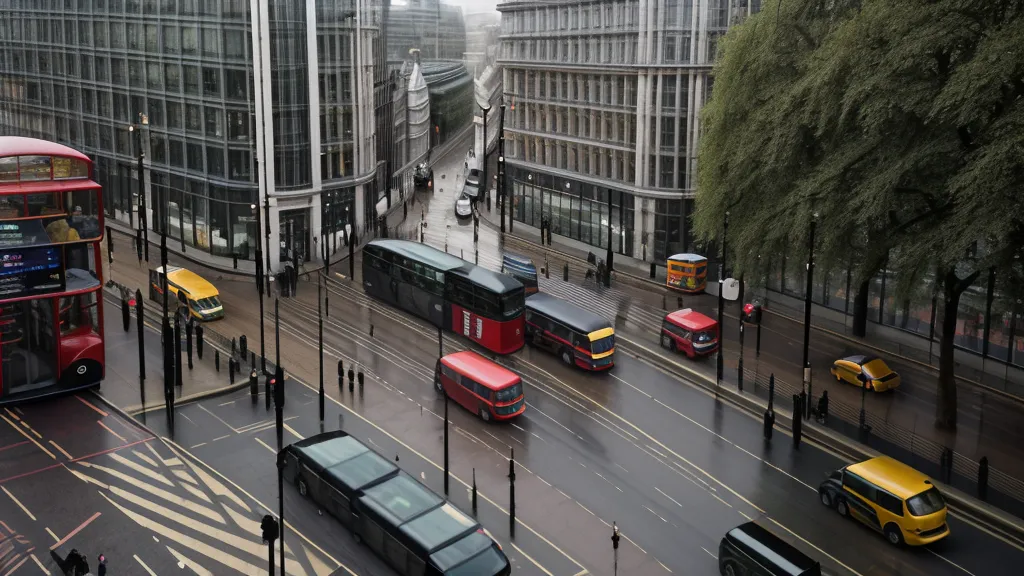
From up there I've mapped out entire shadow patterns before ever setting foot on the pavement. London sits at 51.5 degrees North, so even when the sun does break through in winter or early spring, it stays low, raking across building faces instead of sitting overhead. Whether a bus pass like the one I used for scouting actually pays for itself is a separate question from whether the seat is useful. It's the same math I ran through in my New York CityPASS Review for Photographers at Observation Decks, where the break-even point depended entirely on how many stops I hit in a single day. I've also stood on an empty hop-on-hop-off platform in Paris after the last bus of the day had already pulled away, which is as good a reminder as any that the schedule only pays off if you plan your stops around it instead of the other way around.
When Does London's Blue Hour Actually End?
Blue hour lingers here in a way that catches me off guard every time. In the tropics you get maybe fifteen minutes of that cobalt sky before it turns to pitch black; in London, especially heading into summer, the sun dips below the horizon and just stays there, holding a deep blue against the warm tungsten glow of the streetlamps. It's prime time for the intersection at Oxford Circus or the neon corners of Soho.
Golden hour runs on a different clock entirely, and a much less forgiving one. At most latitudes like this one, that warm window lasts roughly twenty to forty minutes before it flattens out or burns into harsh white, which means the stop you actually want to shoot has to be one you're already standing at before the light opens up, not somewhere you're still riding a bus toward. That's a routing problem more than a timing one. The same low winter sun that rakes across London's brick facades in a way that flattens completely by midday is exactly why stop order matters more than departure time on a route like the one I tested through Paris.
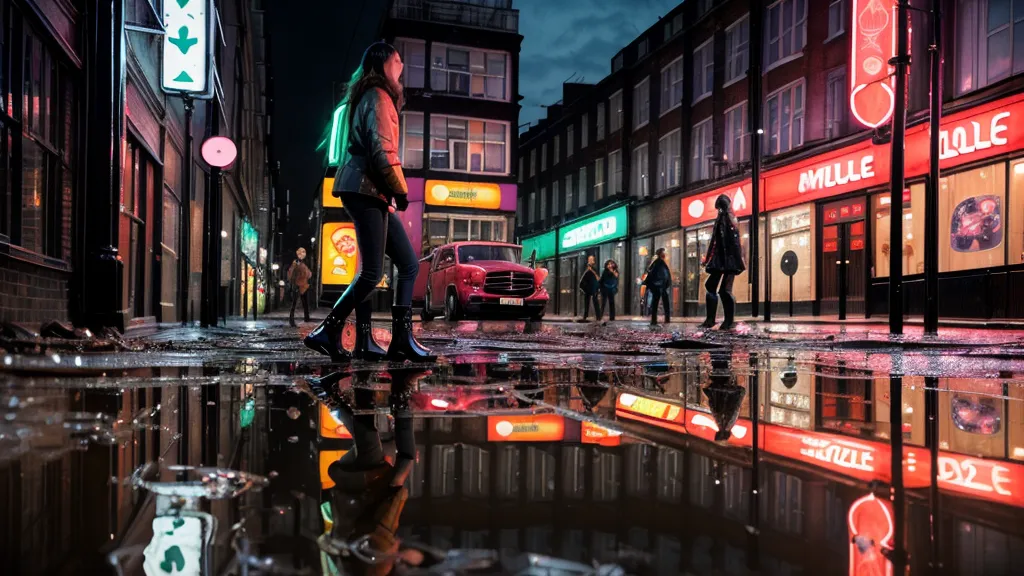
One evening coming up out of the Underground at Piccadilly Circus, the rain had just stopped and the sky had gone that bruised purple you only get after a storm. The digital screens overhead were bouncing light off the wet asphalt, throwing a second light source up from the ground. I wrote about a version of this same trick in my Big Bus London Night Tour Review for Capturing City Lights. The economics of an all-day hop-on-hop-off ticket only work out if you actually ride it enough times to beat a handful of single tube fares, though the photography argument for the upper deck stands on its own regardless of that math. That night I stopped looking at the sky and started looking at the puddles instead, swirls of orange, blue and red doing the work of a foreground light I didn't have to bring myself. It's the same principle behind the Best Amsterdam Canal Cruise for Photographers After Months of Shooting: water doing half the lighting work for you.
Respecting the Humidity Before It Fogs Your Glass
Humidity here is as much a part of the light as the clouds are. Step straight from a heated bus into damp forty-five-degree air and a lens will fog over internally within seconds, no warning first. My palm went slick against the barrel once, ninety percent humidity turning the rubber grip suddenly untrustworthy in my hand, reason enough to keep gear sealed in a bag and let it acclimate for a good fifteen minutes before the cap comes off.
Real London fog is rarer than films make it look, the kind that turns the Shard into a ghost outline, but when it rolls in it does more for separating a subject from background than any wide-aperture lens could manage on its own. The Thames adds enough extra moisture to the air to turn an ordinary street corner into something closer to a still from a noir film. Just keep a microfiber cloth within reach, since the mist here carries a bit of grit that smears if you wipe it wrong.
Practical Travel Tips: Comparing London's Tour Logistics to Other Cities
Eight years spent testing these itineraries have taught me that a printed schedule and the real one aren't always the same document. I've pre-booked an early-morning slot at a London attraction only to find the doors didn't open for another two hours, the light I actually wanted long gone by the time I got inside. A guided walking tour solves a different problem: it buys you local knowledge no map app can replicate, but it also locks your shutter speed to somebody else's pace, for better or worse. Queue strategy is its own separate skill, too. Skipping the line at a single-entry site works nothing like boarding a bus, and treating them as the same problem gets you nowhere.
Every city bundles its attraction passes differently, and coverage that pays off in one place turns into dead weight in another. A tier built around museums does nothing for you if you're only there to shoot skylines. Where you sleep can double as a shooting platform in its own right, the way a high floor over Shibuya's scramble crossing hands a photographer a vantage point before they've even left the building. And shooting neon off a moving bus in Las Vegas calls for a completely different shutter strategy than freezing a red double-decker in London drizzle, though the trade-off between blur and drag is the same math wherever you're standing.
The One Thing Worth Trusting Over the Forecast
Stop checking the weather app for this city. A downpour isn't a reason to pack the camera away, it's a reason to find a doorway and wait out the clear that follows. The wet cobblestones in Marylebone or the slick sidewalks of Shoreditch turn into mirrors the moment the rain thins out, throwing a wrap-around light no dry climate can fake. The one habit worth carrying into any other city is this: check what the sky is actually doing over what the forecast says it should be doing, and build the day's stops around the light you can see instead of the light you were promised.