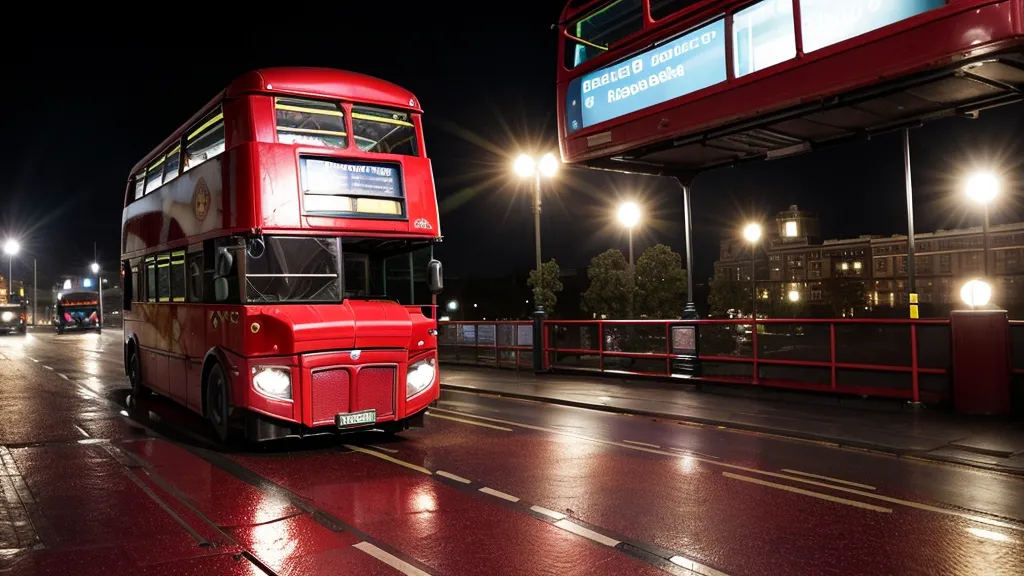
Cold comes up through the floor of an open-top bus long before the wind ever reaches your face. That is the part nobody mentions about a Big Bus London night tour, and it is the first thing that gets you on the upper deck for night photography: the metal itself is holding the whole day's leftover chill. A lot of people assume a hop-on-hop-off ticket works the same way no matter which version you buy, pay once, hop off wherever, catch the next one whenever you feel like it. The night tour breaks that assumption completely, and treating a Big Bus Tours night ticket like an ordinary day pass around London is how you waste both the ticket price and the shot list.
Quick disclosure before the technical stuff: a handful of the tours, passes, and booking platforms mentioned here pay me a small commission if you book through a link, at no extra cost to you. It doesn't change what I write about which days were worth the cold and which ones weren't. I've been on the wrong end of enough overhyped listings to know the difference matters more than the kickback.
Why Shoot Night Photography From a Tourist Bus at All?
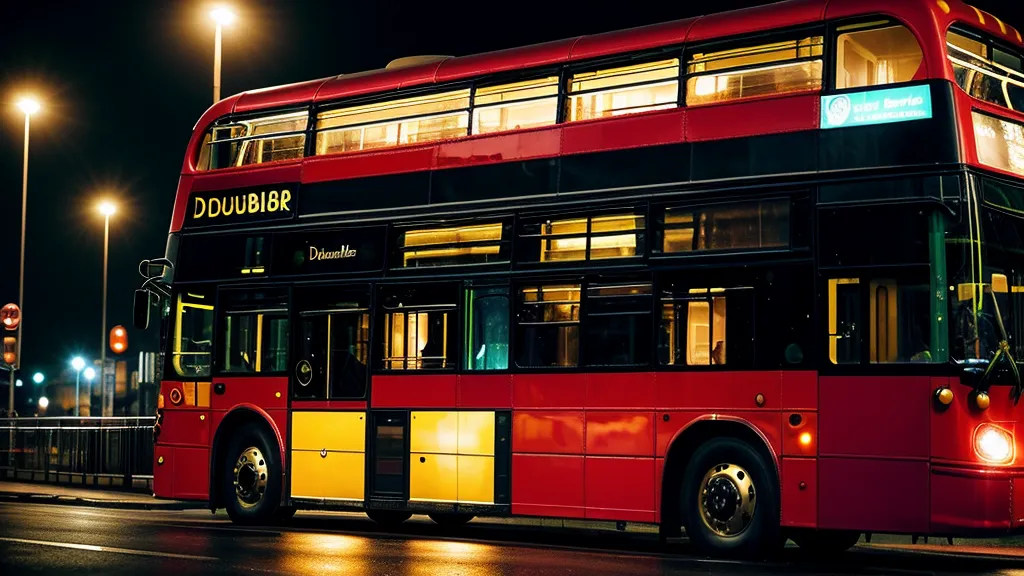
Editorial photographers are supposed to avoid double-decker tourist buses the way they avoid blown-out highlights, at least according to the unwritten rules of the job. Most of the actual work happens on foot, camping near London Underground entrances for the candid motion blur of commuters, or walking the backstreets around Shoreditch until something ugly and honest happens in frame. None of that explains why the top deck of a Big Bus keeps earning a spot on the shot list every time I'm in this city. The 14-foot height puts you above the umbrellas and the roofs of black cabs, which matters more than it sounds like it should when the target is neon.
Piccadilly Circus is the clearest example. From street level, the Piccadilly Circus billboards get chopped up by heads and umbrella spokes and the roofline of every passing cab. From 14 feet up, the sightline opens into a clean run of glowing signage, layered against the wet street below it. On a run through the city in changing light, the sky never fully commits to black, more a bruised, deep purple that makes a prime lens more useful than a zoom, you want the extra stop of light, not the reach. The new LED streetlights that are slowly replacing the old sodium-vapor lamps read differently too, a colder, more clinical blue against the wet pavement instead of that familiar orange glow.
What the Vibration Actually Costs You
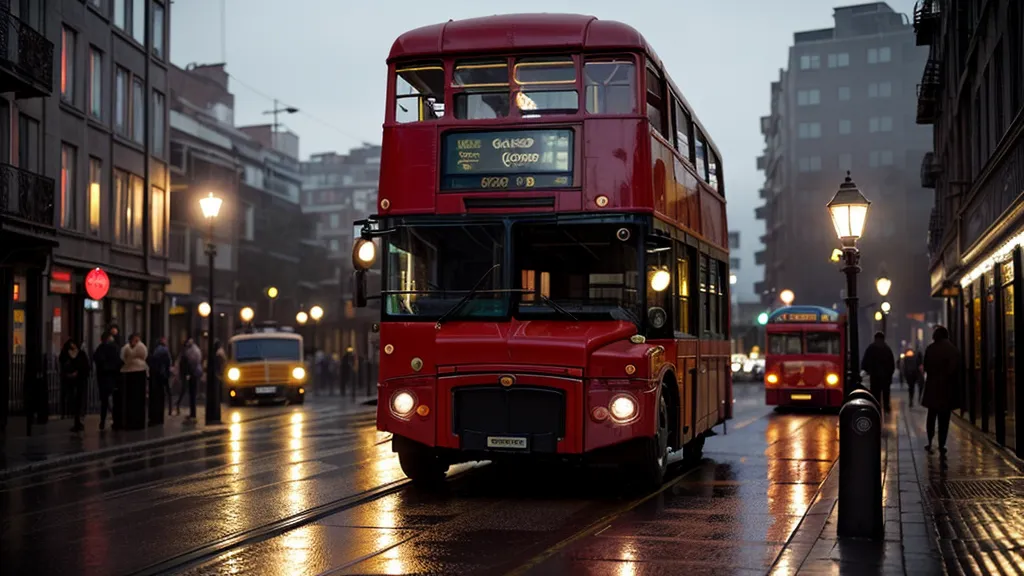
There's a cost to that vantage point that no brochure mentions, and it's mechanical, not weather-related. The upper deck vibrates more than the lower one, more wind, more distance from the center of gravity, more of every bump translated straight into the frame. The low hum through the yellow railing feels less like sightseeing and more like standing next to a dryer mid-spin, a steady mechanical shudder that fights your stabilization every time the bus idles at a light.
Nothing about this is unique to London. Back in Red Hook, plenty of evenings have gone into standing at the Ikea ferry dock waiting for a boat's wake to flatten out before trusting a tripod near the water, and the problem on the bus is the same one at a different scale: wait for stillness, or don't bother pressing the shutter. There's a canal boat from a shoot in Amsterdam that comes to mind, rocking hard through a lock, the bridge's reflection in the water breaking apart into pieces right as the shutter was open for what should have been a clean, quiet exposure. Motion doesn't ask permission, on a bus or a boat.
To compensate on the bus, I pushed to ISO 3200 more than once, even with a fast lens, and skipped the tripod entirely, there's no room for one, and the bus itself is the vibration source anyway, not the ground under it. You become the shock absorber. Most of the work I do elsewhere is quieter than this: indoors, a shutter firing at 1/800 is the loudest thing in the room, a single crisp click bouncing off stone walls and an empty gallery floor. On the bus, that quiet is gone, replaced by tire noise and a diesel engine idling under the seat. A version of this same fight against vibration showed up shooting Las Vegas neon from a moving tour bus, different city, identical problem.
For the mechanics of chasing that shift from sodium-orange to LED-blue at street level rather than from a bus deck, that gets its own separate treatment in How to Find the Best Lighting for London Street Photography.
The Big Bus Hop-On-Hop-Off Economics Nobody Applies Correctly
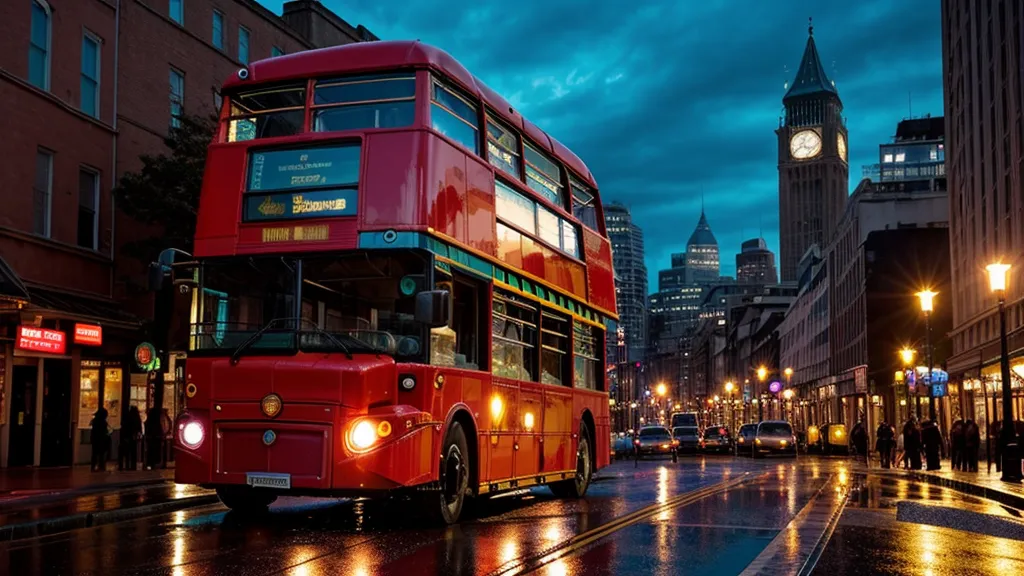
Here's the myth in full: a "hop-on-hop-off" ticket is supposed to be a transit pass, not a ticket to a single show. Buy it once, ride the loop all day, get off at the Tower, get off at Camden, reboard three buses later when you're ready to move again. That's how the daytime version of Big Bus works, and it's the version most people picture when they book the Big Bus London Night Tour. It isn't that. The night tour is a single continuous 90-minute loop, one boarding, no reboarding, no stops. Once the doors close, you're on it until it circles back to where you started.
Economically, that changes the entire calculation. A day pass earns its price back the more stops you use it for, the same break-even math behind any city attraction pass, but the night loop doesn't work on that curve at all, it's a flat, one-time cost for a fixed ninety minutes, closer to a single film screening than a transit pass you can stretch across an afternoon. Judge it by what you shoot in that window, not by how many stops you can wring out of it.
That single-loop structure forces a kind of discipline day tours don't require. You can't jump off because you spotted a good shadow near St. Paul's, so you learn to anticipate a frame and commit to it as the bus rolls past, usually in the ten seconds you get at a red light before the engine settles and the swaying stops. There's no queue-strategy to speak of either, no skip-the-line trick, because there's nothing to skip; you either board in your window or you don't. Somewhere near Trafalgar Square the bus took a turn sharp enough to send a camera bag sliding across the wet floor, a decent reminder that this is still a vehicle in real London traffic, not a static viewing platform. Anyone who has done the Best Hop on Hop off Paris Route for Skyline Photography will notice the difference immediately: London's night loop stays tight around the central core, where Paris tends to sprawl.
Is the Ticket Price Actually Worth It?
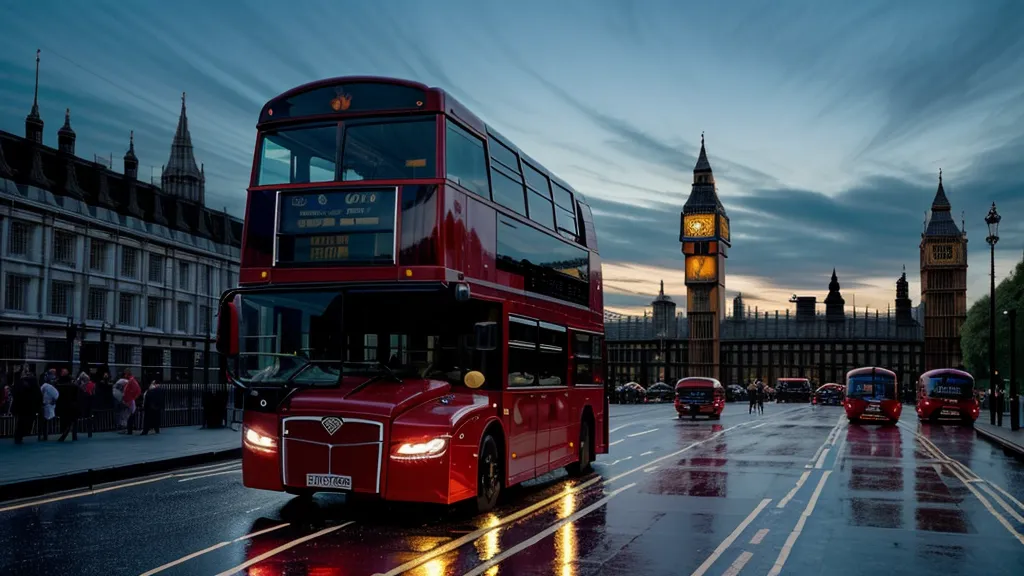
Mine cost about £28, more than a couple of pints at a pub near the river. For booking, GetYourGuide gets checked first out of habit, their catalog runs past 75,000 activities, the mobile tickets have held up fine even on patchy signal near the Thames, and the 24-hour cancellation window has saved more than one evening when a photogenic drizzle turned into a gear-soaking downpour.
Whether a guided ticket like this beats going self-guided on foot is really its own question worth a separate comparison, but for a fixed night loop with commentary, guided wins by default since there's no self-guided version of a bus route. Coverage tiers matter here too, in the sense that different cities bundle wildly different things under the same pass name, which is its own rabbit hole rather than a paragraph here.
Readers used to something like CityPASS back home should recalibrate: it's a fine tool in the handful of US cities that offer it, but it doesn't exist here, and pass economics don't transfer between countries any more than plug adapters do. A city tourist card got bought once, certain the itinerary would justify it, and it expired before reaching the third attraction on the list, the lesson stuck around longer than the card did. In London the choice is between individual bookings or Big Bus bundles, and coming from Southeast Asia, Trip.com sometimes beats both on price for the same loop, though their support moves slower if a route gets canceled, which happens more often than you'd expect given how frequently central London closes for a protest. Where you're staying factors into all of this too, since lodging decides your default angle on a skyline before you've booked a single tour.
A reader named Leotis Chambers sends comments so specific they read like field reports from the ground rather than typical feedback, and that kind of on-the-ground detail is exactly why a free walking tour never quite competes for a photographer: stuck at eye level behind a cluster of twenty strangers, when what you actually want is the elevated angle a bus gives the landmarks for the cost of a couple of cocktails.
Book It Like This, Not Like a Day Pass
By the time the loop swings back toward Victoria, the heater from the lower deck drifts up through the stairwell, a reminder of the comfort traded away for ninety minutes. Hands stiff, the card mostly full of blur, but six or seven frames in there couldn't have happened from the sidewalk, the way the Tower of London sits reflected in the Thames from that height isn't an angle you get standing at the railing along the riverbank.
Those files go to Fumiko Odell eventually, the colorist who handles the editorial finals and one of maybe two people in this business who invoices on time without ever having to be chased for it, a rarer trait than it should be. Don't let the word "tourist" talk you out of the bus if you shoot for a living or just take it seriously as a hobby: treat it as a moving tripod that shakes on a schedule, pack a fast prime, dress warmer than feels necessary, and keep the bag strapped down.
The rule, corrected: book this like a single ninety-minute session, not like a day pass you're trying to stretch across a city. If the plan involves hopping off partway through, it's the wrong ticket, get the daytime hop-on-hop-off instead and save the night loop for when the only goal is the skyline after dark. For that goal, the Big Bus Night Tour is worth booking, and going through GetYourGuide keeps the 24-hour cancellation window in your pocket, because London's weather doesn't care about your shot list.