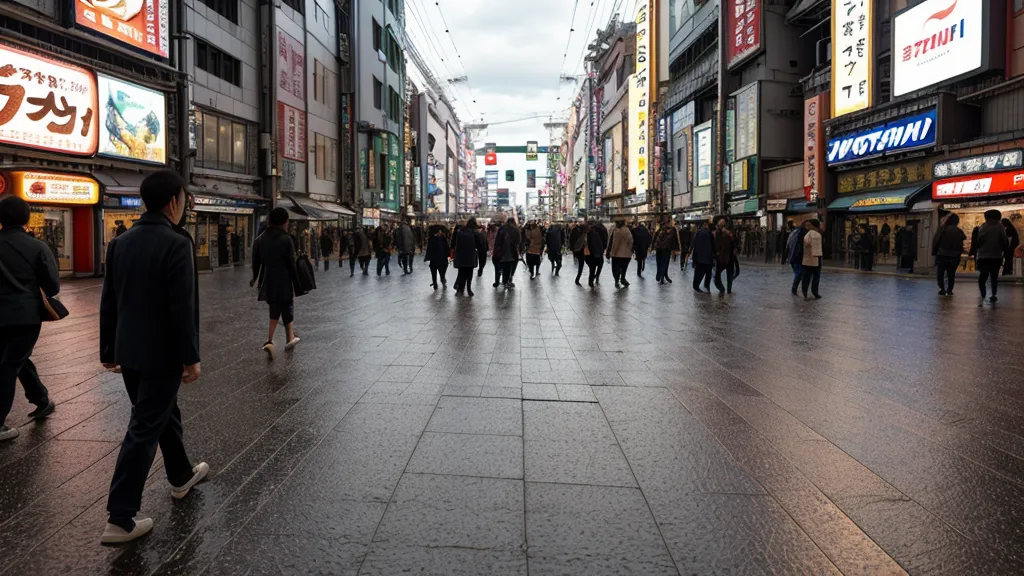
The Glico Man switches from red to blue mid-frame, and I still haven't made it up to my room to drop the second body. That's the real test for whether a hotel works for photography near Dotonbori and Namba: not the thread count, not the size of the desk, just how many minutes stand between the sign changing color and you being back down on the bridge for it. Osaka rewards that kind of proximity more than almost any other city I've tested a hotel in, because the light here doesn't hold a mood for long and the crowd fills every gap the second you hesitate.
Readers ask me some version of the same question after every Osaka post: which hotel, which side of the canal, how close is close enough. So here's the direct version, organized around what people actually want to know before they book, not a scored list of amenities.
A Canal-Front Room's Value as a Base Near Dotonbori
No, not for the photos anyway. Every foot of the strip directly on the canal comes with the same tax: three hundred heads between you and whatever the Glico Man or the Don Quijote wheel is doing at that exact second. Dotonbori was dug as a merchant canal back in 1612, built for commerce and boat traffic, not for someone trying to hold a two-second exposure steady while a stag party photobombs the frame. The crowd density right at the water's edge after dark is worse than the Prospect Park Boathouse lawn on the Fourth of July, and that's saying something.
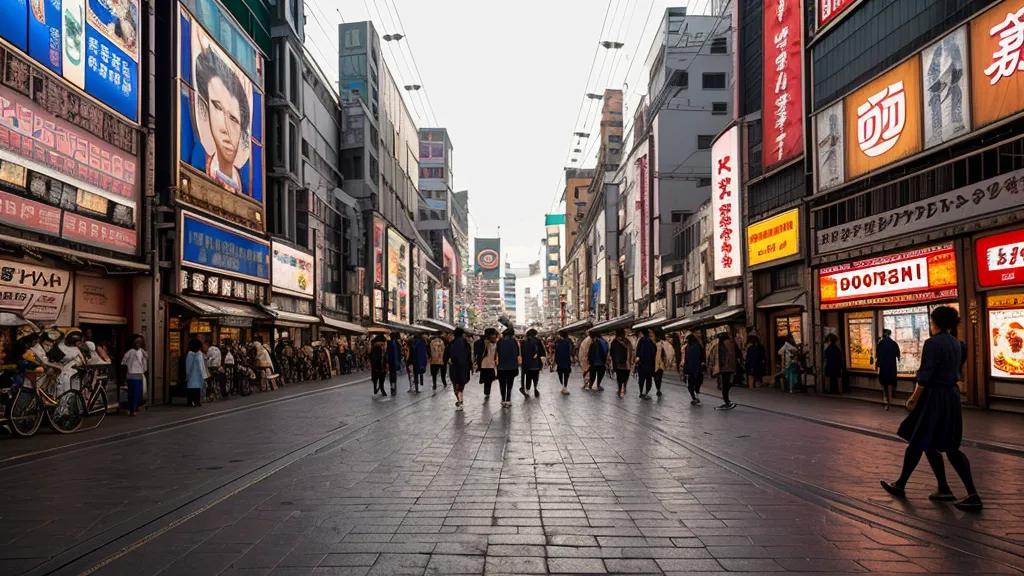
What actually works is staying a block or two off the water — close enough to smell the takoyaki griddles, far enough that stepping outside doesn't dump you straight into the bottleneck. Namba Station sits at the center of all of it, a terminal serving six train lines including the Nankai and Kintetsu plus three separate Osaka Metro lines, and a hotel positioned right against that hub lets you go from a street shoot in Shinsaibashi back to a room and out again in under fifteen minutes. That's the real estate you're paying for: fewer transfers, not a better window.
The Namba Station elevator test
The Swissotel Nankai sits directly on top of Namba Station, and if the budget allows for it, that's the closest thing to a shortcut this city offers. I stayed there for a stretch when the wind coming off the bay was sharp enough to fog a lens the second I stepped outside. The high floors do look good — the Midosuji Line trailing off toward Umeda from up there is a legitimate frame — but the detail that actually mattered was the elevator. Big enough for a rolling Pelican case and a bell cart at once, no jamming gear in sideways like a losing round of Tetris, no waiting for the next car down. After twelve hours on your feet, that stops feeling like a minor convenience and starts feeling like the whole trip.
Position like that also buys you the Namba Yasaka Shrine — the giant lion-head stage everyone eventually photographs — about ten minutes out on foot. Early enough, you get soft light on the lion's teeth and nobody else in the frame, then you're back for coffee before the rest of the city is up. It's the same call I made scouting old-city hotels in Istanbul: pay for the location, save your legs for the actual work.
Cross Hotel puts you three minutes from the bridge
For the business-hotel tier — which is most of what I actually book — the strip along the Midosuji Line hits the sweet spot. Check-in in Japan runs 15:00 almost everywhere, so I've learned to build the first shoot of any Osaka trip around that window instead of fighting it. A week at the Cross Hotel Osaka in late November had the ginkgo trees along Midosuji turning that saturated yellow, and the hotel sits basically at the mouth of Dotonbori. If the light turns golden at 4:30, you're on the Ebisu Bridge by 4:33. No train, no bus, just a fast walk with a longer lens.
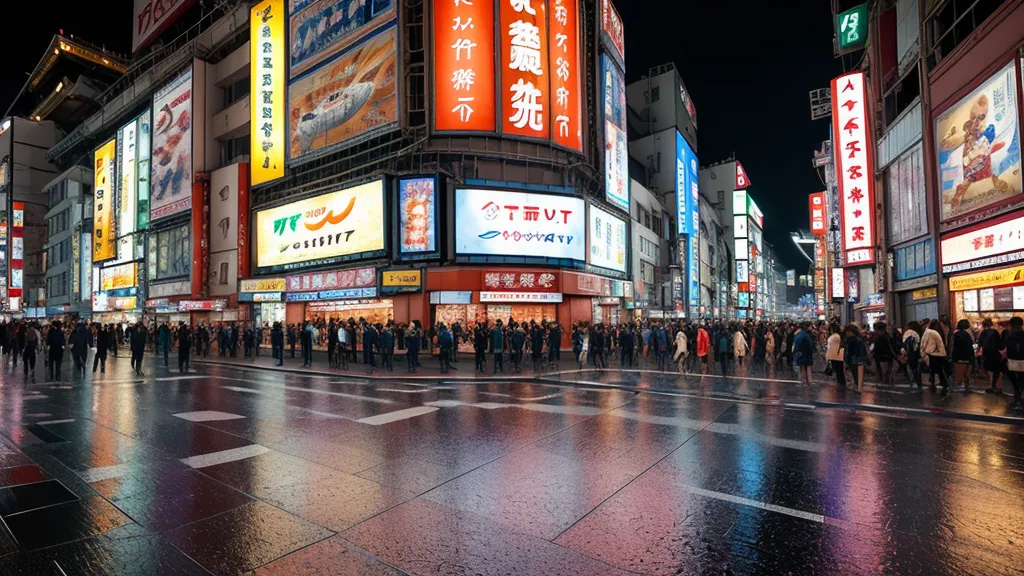
The room itself is nothing special. A cracked window, the smell of grilled octopus batter drifting up from the street while I swap cards. That smell is just Osaka at this point. What you're renting is the three-minute radius, not the décor.
Hommachi or Namba for Wide Shots
Depends on what you're shooting. If it's neon and crowds, stay in Namba. If it's the Midosuji corridor itself — the boulevard, the architecture, the oldest subway line in the city, with stations that carry a heavier, older look than anything nearby — move a few stops north to Hommachi for a couple of nights. It's quieter, more corporate, and the wide shots come out clean instead of smeared with tourist blur. It reads as the real city instead of the postcard version of it, which is its own kind of useful.
Guided night walks through Dotonbori are a separate argument entirely — worth it if you want someone else setting the pace and pointing out angles you'd miss solo, less worth it if you already know the block. That trade-off deserves its own write-up; here it's enough to say don't assume you need one just because the strip looks confusing from the sidewalk.
Counting blocks to the nearest Midosuji exit
Before booking anything, I count the blocks to the closest Midosuji Line entrance — that line functions as the umbilical cord for the rest of the city, and anything past a seven-minute walk from a station adds friction you'll feel the moment the light breaks unexpectedly. Late November, with short days, that friction is the gap between catching blue hour and missing it outright. A business hotel thirty seconds from a subway exit, at roughly ¥18,000 a night, ended up being the best money I spent on the whole trip, not because the room impressed anyone, but because it never cost me a shot.
Getting the direction wrong costs the same way it always does. I got turned around once coming up from a Tokyo metro exit — the wall map was somehow mirrored from the street, and I walked four blocks the wrong way before a landmark on the skyline told me I'd gone backward. Same instinct applies in Namba: confirm which exit number you actually need before you're standing in a stairwell arguing with a paper map.
The angle nobody paid for
Some of the best positioning isn't plannable in advance. A boutique spot near Sennichimae Doguyasuji — the kitchenware street, worth a walk on its own — turned out to have a fire escape with a cleaner line to Tsutenkaku Tower than the paid observation deck at Abeno Harukas, where everyone else was paying ¥2,000 to shoot through glass. I was standing on a metal grate with nobody in the frame. Check stairwells and the ends of hallways before writing off a hotel. In a city this dense, any small gain in elevation is a potential composition, and it never shows up in the listing photos.
Weston Arambula, a friend who shoots everything on prime lenses and mentions it before anyone asks, sent me a pin for a rooftop with a similar sightline after that observation deck turned out to be closed for a private event. The same logic held when I was booking hotels in Seoul for early-morning shoots. The view that ends up in the frame is rarely the one advertised on the booking page. It's the one you find while looking for shelter and letting your sensor cool down between exposures.
The ticket line outside Osaka Castle tests your patience, not your gear
None of this location math matters if you waste the morning standing in a line that never needed to happen. The queue for tickets curls along the moat wall some mornings, and the air there is a specific kind of unpleasant: tour-bus exhaust mixed with hot oil from a cart working the same line, which is its own argument for going early or going resigned to it. I rented one of the audio guides at the entrance kiosk once, thinking it would save me the trouble of researching between frames. Dead batteries by the second stop, and the kiosk had no replacements. I read the placards after that and didn't miss much. Queue strategy in a city like this works the same way it does anywhere with a moat and a gift shop: show up before the tour buses do, or accept you're going to lose forty minutes to it.
When a Pricier Location Pays for Itself
Sometimes. A reader named Ignacio Sousa, who logs every yen and dollar of a trip and ran the math on where a city pass actually breaks even, pushed back on an earlier draft of mine that assumed everyone wants to be inside the chaos. He wasn't wrong. If you're not planning to shoot much past midnight, what you save staying three blocks off the main strip covers plenty of taxi rides back from wherever the light turned out to be better anyway. The same golden-hour routing logic that works for planning a bus route through a city like Paris applies at the scale of a five-minute walk here — you're mapping where the light will be, not just the distance to cover.
Using the room itself as the shooting platform — balconies, high floors, angles that come from where you sleep rather than where you walk — is a subject on its own, and I cover that properly writing about Shibuya. It matters less in Namba, where the frame lives at street level. Shooting neon through a moving train window on the ride back is a related trick with its own rules, worth its own explanation rather than a footnote here.
Back in the loft in Gowanus, none of this location math shows on the wall of old contact sheets — it doesn't care which city produced the frame. The two Pelican carts sit by the door until the next flight, and the take gets checked on dual monitors against a rack of labeled drives, under skylight diffusion that never quite matches whatever color the Glico Man was throwing that night. That's where the trip actually ends. The Osaka half of it is just getting back to the bridge before the light changes.
So: skip the room with the canal view, take the one three minutes from it, and spend the difference on staying out later.