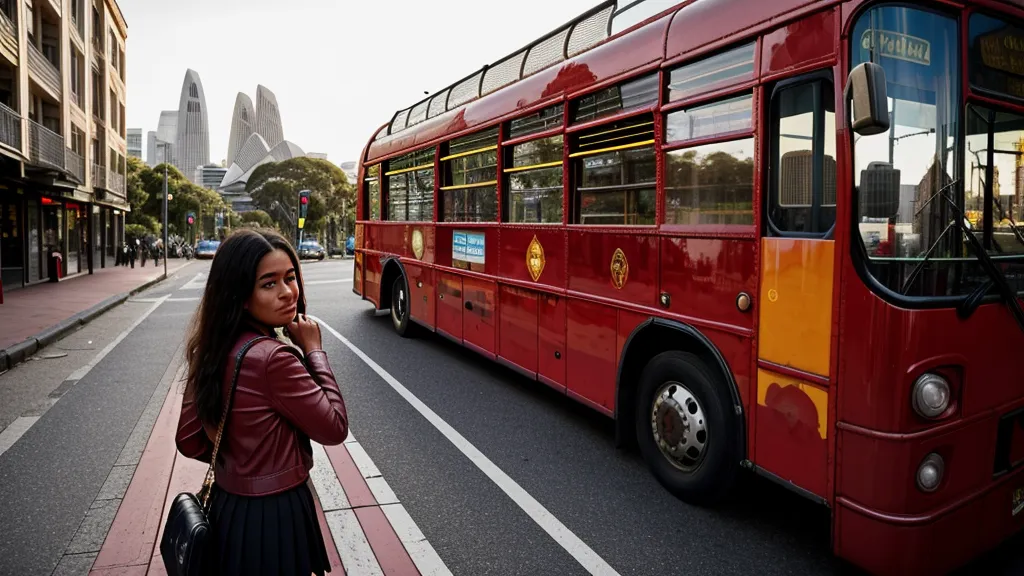
A ferry across the harbour to Circular Quay beats a full loop of the hop-on-hop-off Big Bus on almost every practical measure — it's faster, it's the cheaper ticket, and it keeps you off George Street where a delivery van is always about to ruin your frame. It will not get you the one shot of the Sydney Opera House sails that made me stay in my seat on the top deck of Big Bus Tours's Red Route instead of hopping off at Stop 2 like nearly everyone else on board.
Quick disclosure before any of that: a handful of the tour operators and booking sites covered on this site pay a small referral fee when a link turns into a booking, this one included, and that has never changed which loops I tell readers to skip. The $75 AUD ticket for this pass came off my own card, same as the one I bought for my Big Bus Washington DC Route review, and same as every other hop-on-hop-off pass I've tested for editorial photography on this site. This was one stop on a longer Australia itinerary, and it's the route readers ask about most.
Better Opera House Shots Without Stop 2
Most people treat Stop 2 as the obvious call: hop off, walk toward the water, join a crowd at sea level looking up at something 65 meters tall alongside a few thousand other people holding phones over their heads. That's the rookie move. I stayed on. The Red Route is a 23-stop loop through the CBD that eventually climbs toward the southern approach of the Sydney Harbour Bridge, and for something like forty-five seconds on that climb you get a panoramic, elevated angle on the sails that you can't get from the ground without a helicopter or a very expensive hotel room. It's the same trick that pays off from the top deck in Washington — a few extra meters of height clears whatever's in your way, whether that's tour buses on the Mall or the roofline of the Circular Quay ferry terminal.
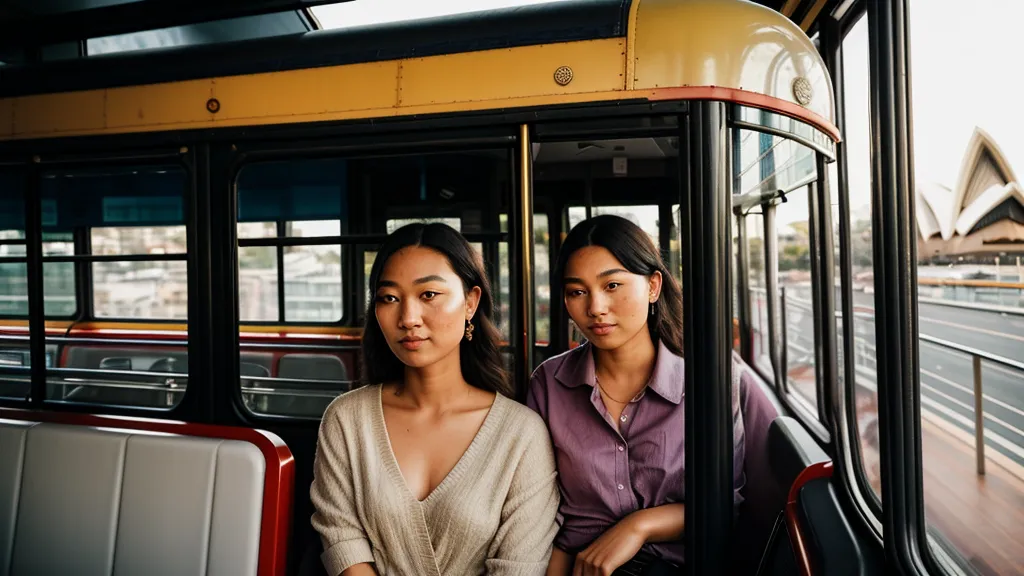
The Ferry Is Faster. The Bus Is the Better Frame.
There's a real tradeoff buried in that forty-five seconds, though. The ferry gets you across faster and keeps the fare lower, but it holds you low on the water, usually behind salt-streaked glass, and it does nothing for you if the terminal queue is already backed up. I've stood in a line that curled back past the souvenir kiosk with a good forty minutes still ahead of me and the ticket already paid for — the kind of wait that reminded me of standing at the Ikea ferry dock in Red Hook on a Saturday, ticket in hand, no information at all about when the boat's actually coming. The first time that happened here I'd been going off a paper guidebook that listed opening hours and nothing about how long the line would actually take, which is exactly the kind of gap that leaves you stuck at a kiosk instead of on a boat.
A reader named Leotis Chambers, who's worked through three of my other city guides and still navigates from printed screenshots rather than pulling up a live map on his phone, wrote in asking almost the same question — ferry or bus for the Quay approach. Same answer I gave him: read the queue before committing to either, the same habit that got me through the lines outside the Vatican without wasting a morning. Sydney's ferries do for Circular Quay roughly what Lisbon's tram 28 does for the Alfama — a cheap, scenic shortcut that stops being a shortcut the moment everyone else has figured that out too.
Shooting From a Moving Bus: What Actually Works
Swapping a 70-200mm lens for something wider while the bus lurches over a pothole on George Street is how I nearly put my primary body in the lap of a startled tourist from Ohio — a reminder that "Big Bus" sounds like a slow cruise right up until the road disagrees. You want a fast shutter, something north of 1/1000th, to fight the vibration even when the bus is sitting still in traffic, because the engine still runs a low buzz through the bench that never quite settles, right through the seat rails and into your hands. It's the same gear-weight calculus I run before any walking tour in Rome — carry less, keep it strapped down, because a moving platform punishes anything loose in your bag.
Close up, whether you get there by bus or on foot from the Circular Quay stop, the Opera House stops being a solid white shape and turns into texture — the roof is built from 1,056,006 individual Swedish-made ceramic tiles, each one catching light a little differently. From the higher ground the bus passes near the Rocks, you can actually see that glint during the last hour of daylight, a level of detail a wide shot from the ferry deck just flattens out. Half the files from days like this come back with blown highlights I never caught in the viewfinder at all, which is exactly what my colorist, Fumiko Odell, flags the moment she opens them — she catches what the glare off a bus window hides from me in the field, every time.
Red Route or Blue Route for the Sails
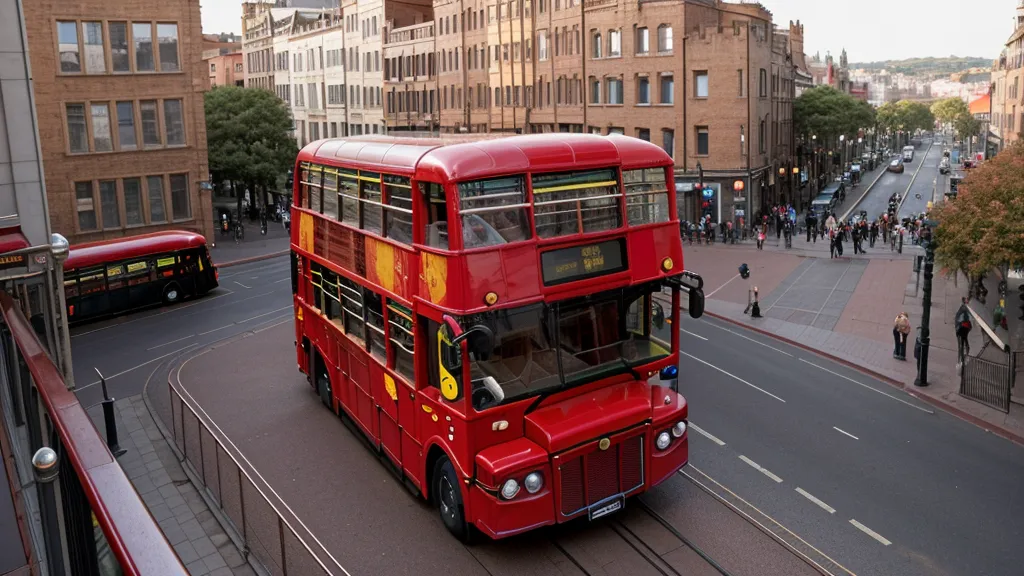
The Blue Route, the Bondi and Bays loop, runs eleven stops east instead of twenty-three through the CBD, and it trades architecture for scale. Where the Red Route clears sidewalk clutter for a clean building shot, the Blue Route shows how the Opera House sits inside the whole curve of the harbour, sandstone cliffs and all — more geography than landmark. Timing decides which one's worth your afternoon: early light and thinner crowds on one loop, harsher midday glare and a packed top deck on the other, the same trade I clocked years ago at the Alcázar in Seville deciding between a dawn entry and a lazy one. On a wet afternoon I ran the Blue Route instead of the Red just to get out of the rain, and it turned out to be the better call anyway.
When the Hop-On-Hop-Off Pass Is Worth the Money
I've tested this exact question in enough cities to have a rule of thumb: a hop-on-hop-off pass earns its keep when you treat it like a tripod with wheels, not a taxi. I wrote about the same math for the Big Bus Hong Kong Route for neon signs, and Sydney lands in a similar spot — reliable, provided you're not trying to make a 2pm lunch reservation across the CBD during rush hour. The traffic on the Red Route can turn into a string of missed stops, and that's fine if you're using the delay to frame the next shot instead of checking the time. London's night route runs on a different version of the same economics — you're paying for access to a vantage point, not for speed, and the moment you expect speed from it, the math stops working in your favor.
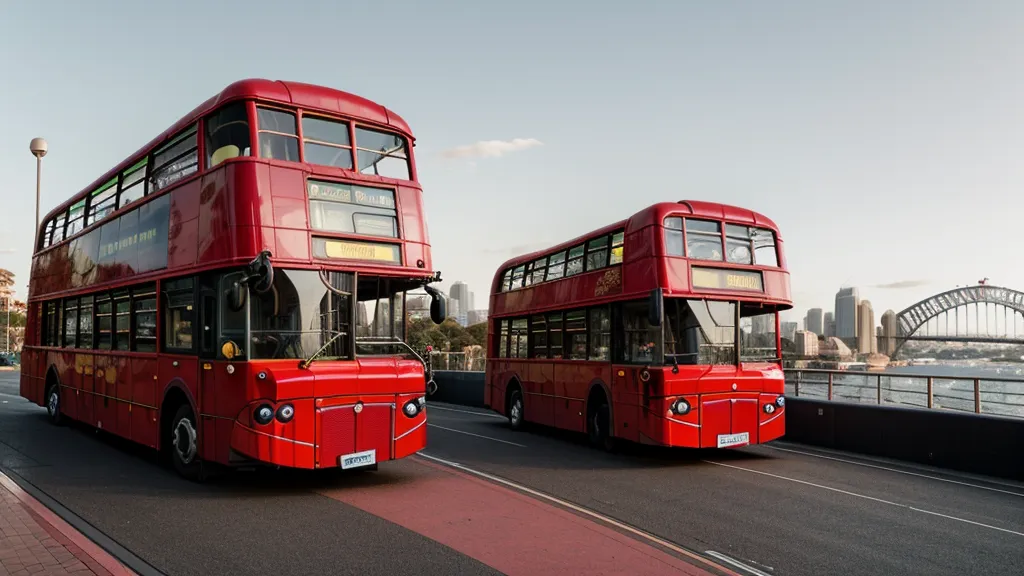
By the last loop of the day I'd mostly stopped shooting and just sat there watching the 134-meter Harbour Bridge catch the last light, which is not something I expected to enjoy as much as I did after years of treating every assignment like it needed a wider lens and a better angle.
Booking It: GetYourGuide, CityPASS, or Direct
If you're bundling this with a harbour cruise, GetYourGuide is the platform I default to for combined tickets — the same guided-versus-self-guided call I make in most cities, where paying a little more for one bundled booking beats piecing together three separate tickets on three separate sites. Readers chasing every museum in the city instead of just the water should look at a CityPASS, though the break-even math only works if you're actually hitting four or five attractions, the same threshold I ran the numbers on for New York. Booking from Asia and want a platform that feels familiar? Trip.com usually has solid Sydney inventory too. For pure photography, the Big Bus stays the specific tool for this specific job: time your loops for late afternoon, stay on past Stop 2, and skip the ferry only if the hero shot matters more than the ten minutes you'd save.
Big Bus Tours
Pros
- + Elevated perspective clears the sidewalk crowds for cleaner architecture shots
- + The Harbour Bridge approach offers the best 'sails' angle in the city
- + Red and Blue routes cover the essential contrast between CBD and coast
- + Open-top deck is perfect for tracking shots with a prime lens
Cons
- ○ Sydney CBD traffic can make the City Loop frustratingly slow during rush hour
- ○ Top-deck seats are a battleground on sunny weekend afternoons