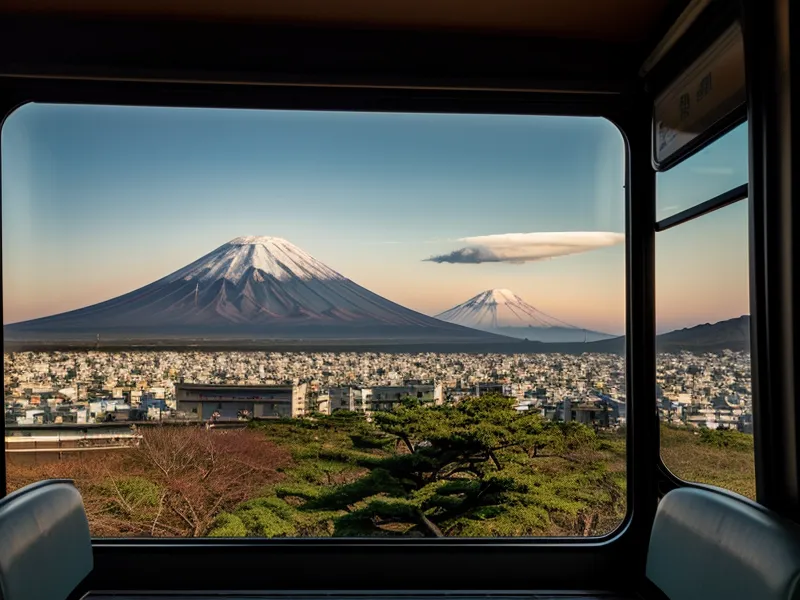
Does booking a guided day trip out of Tokyo actually cost you the shot, or does skipping the transit puzzle just leave you with more patience left for the composition? Ask that question in a Tokyo photography forum and you'll get twenty confident answers pointing in opposite directions, which tells you the real answer for landscape day trips, GetYourGuide bookings, and Japan's most photogenic routes to Mt. Fuji isn't nearly as settled as either camp likes to pretend.
The Myth That Won't Die About Tokyo Day Trips
The misconception goes like this: if you didn't wrestle a ticket machine and a transfer at Otsuki yourself, you didn't earn the frame, and a bus full of tour-goers can't possibly get you anywhere worth photographing. I believed some version of that for years. Then I stood on a Shinjuku platform watching the 6:50 limited express pull out without me, having spent close to forty minutes trying to read a transit map that looked like wiring instructions for someone else's house, and the light I actually wanted was already two hours gone by the time I sorted out the ticket window. That's not purity. That's losing the shot to a queue, and it's the same reason I keep booking through GetYourGuide for Fuji-area day trips even though I used to treat that as an admission of defeat.
Beating a crowd by twenty minutes is a skill I picked up long before I ever got on a plane for a shoot. The same instinct that gets me to the Grand Army Plaza Greenmarket before the stroller traffic shows up back home is what made a scheduled pre-dawn pickup in Shinjuku feel routine instead of stressful. Queue strategy is its own discipline, separate from the tour-versus-DIY argument entirely — I've been wedged into a crowd at the Vatican dense enough that I couldn't see anything past the shoulders in front of me, no dome, no ceiling, nothing worth the shutter count. If you've ever tried booking hotels in Seoul on Trip.com specifically for sunrise access, you already understand the trade being made: paying for position instead of paying less and hoping.
Chureito Pagoda, Timed Before the Crowd
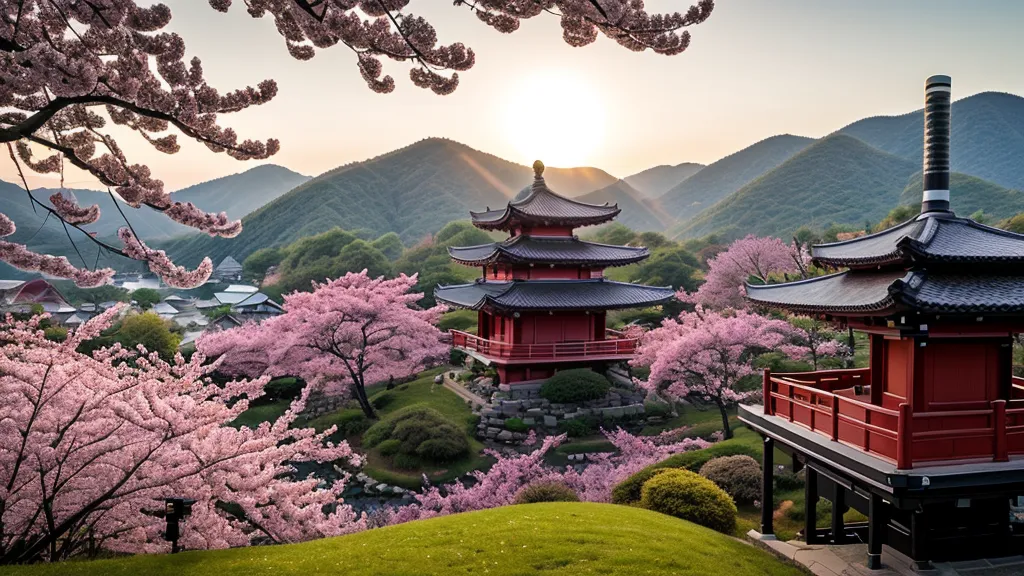
The classic frame at Chureito Pagoda needs three things lined up at once: the red roof, Fuji's symmetry behind it, and if you're lucky, the last of the winter frost still on the steps. Doing that on your own means chasing the Fuji Excursion train, which sells out its prime morning departures weeks ahead, so a mobile-ticketed tour skips the Shinjuku ticket window entirely. My driver dropped the group at the base of the four hundred steps just as the light hit that low, raking angle photographers wait around for, and I had maybe twenty minutes of clean sightlines before the tripod crowd showed up in force.
My colorist Fumiko Odell caught something I missed completely in the field that day: a blown highlight right across the pagoda's copper eaves, blown out by all that reflected frost light while I was checking focus instead of my histogram. That's the kind of catch you only get from someone looking at the file cold, days later, without the cold hands and the crowd behind you. The air at the summit was thin enough that my chest was working by step three hundred, but not having to watch the clock for a return bus meant I could stand there and wait out a cloud instead of packing up early.
Why the Hakone Circuit Breaks the DIY Logic
Hakone punishes anyone traveling with more than a phone and a tote bag — it's a relay of trains, a cable car, and a boat that adds up to something closer to a multi-leg flight itinerary than a day trip. This past spring I tested a GetYourGuide [Editor's Pick] tour that folded the whole Hakone Round Course into a single vehicle, and the difference showed up immediately in how much attention I had left for the shot instead of the schedule. Readers of my full GetYourGuide after 32 cities notebook already know I don't think guided beats self-guided as a rule; it's really a question of where you want your attention spent that day, and Hakone is a day where I want it on the viewfinder.
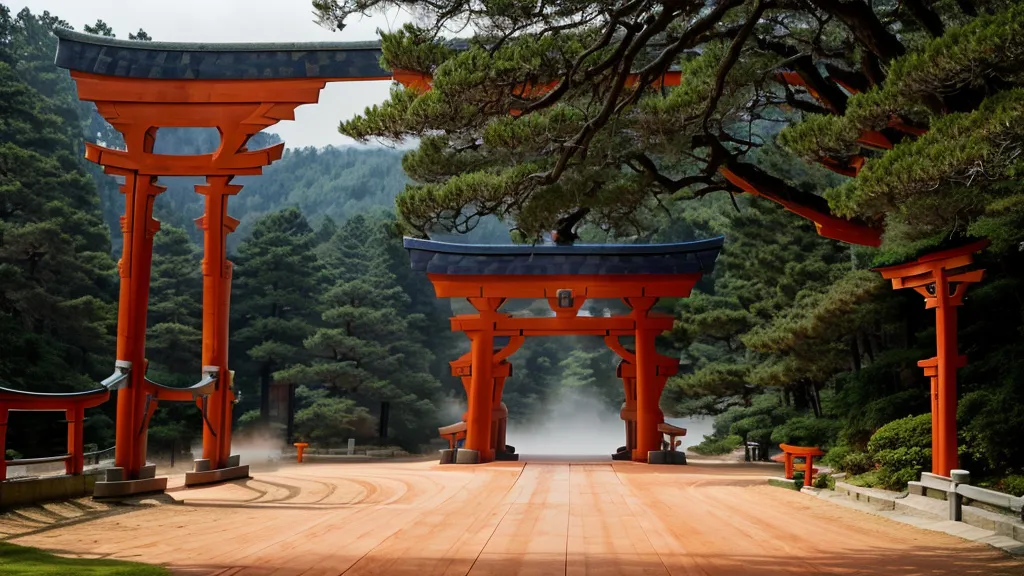
The wind off Lake Ashi was biting enough that my hands went stiff swapping a wide-angle for a 70-200mm to isolate the red Torii gate against the misty hills behind it, spray off the water hitting the front element every few seconds. One reader, Leotis Chambers, still navigates every one of these trips off printed screenshots instead of a live map on his phone, and he emailed after running this same route to confirm the operator's slower add-on timing actually held at the shrine. Worth knowing if you want more than a five-minute photo stop there. By early afternoon the bus roof at the parking terminal was throwing enough heat shimmer to bend the skyline behind it, the kind of atmospheric blur that ruins a wide shot but reads beautifully through a long lens.
Owakudani is worth watching for in the reviews — a volcanic valley thick with sulfur vents that makes for properly atmospheric shots, though a wrong wind can shut the whole area down without warning. A tour with a real backup stop beats a local train ticket that leaves you standing at a closed gate with nothing to shoot. When GetYourGuide runs thin on operators for a specific date, I check Trip.com [Backup Booking] next, since their Japan inventory covers regional operators that don't always list on Western booking platforms.
Is the 24-Hour Cancellation Window Worth It for a Fuji Chase?
Mount Fuji is landscape photography's most elusive subject, visible most reliably in January and February and still shy even then. A twenty-four hour cancellation window is the piece of gear nobody talks about. Over one three-day stretch this spring, the forecast flipped from clear to a total whiteout overnight, and because I hadn't locked in a non-refundable train ticket, I pushed the booking back two days and caught the only clear window that week. That flexibility is worth more than whatever premium you pay over booking direct, and it's a different kind of math than whether a multi-attraction pass pays for itself — I've run those break-even numbers for other cities and they rarely translate cleanly to a single mountain chase.
I once bought a city tourist card convinced it would cover everything on my list, and it expired before I'd even reached the third attraction — a reminder that passes are sold in tiers, and assuming one tier covers a whole itinerary is its own way of losing money and time. Hop-on-hop-off economics run on a similar trap: the ticket validity window matters as much as the route does, and a bus pass that looks like a bargain on paper can turn into dead time if you're not tracking the clock. None of that is really about Fuji, but it's the same instinct that makes the cancellation window worth the extra thought before you book.
Grey lakes happen too. Two hours on a train once landed me at a lake completely shrouded in fog, camera bag heavy on my shoulder for nothing. A real-time weather check built into the booking, instead of a sunk cost you're emotionally attached to, is the difference between a memory card full of grey and the one frame that makes the whole day worth the weight of the bag.
What Makes a Day Trip Photography-Friendly
Departure time matters more than almost anything else on the listing page. A bus leaving Shinjuku after 8:30am gets you to the marquee spots once the light has already gone flat and harsh, so the earliest possible start is worth chasing even if it means a rough alarm. Golden-hour routing works completely differently from city to city; a hop-on-hop-off loop I tested for a Paris skyline piece has to fight a different angle of light entirely, so don't assume a Tokyo-style early start applies everywhere else.
Itinerary density is the other tell. A listing that stacks three shopping plazas or a duty-free stop into the day is stealing time straight out of your golden hour, the same way a conference agenda padded with sponsor booths steals time from the one session you actually came for. Gear space tends to be fine on these buses — overhead bins or under-seat room handle a standard camera backpack — but a full rolling case is asking for trouble, so I keep the kit down to a 24-70mm and a 70-200mm and leave the rest at the hotel.
Where you sleep factors into this more than people expect, too. I've made the case elsewhere for picking a room with an actual usable view over Shibuya, and the same lodging-as-vantage-point logic applies loosely here — a hotel window facing the right direction on a clear morning can save you an entire pre-dawn transit leg before the tour bus even shows up. None of that is the same technical problem as shooting a long exposure out of a moving vehicle at night, which is its own trick I tested on a neon-heavy bus route in Las Vegas and wouldn't try to transplant onto a 7am Fuji departure.
Coming from shooting in Europe, Japan's day trips are much more about managing weather and timing than finding some secret angle nobody else has found. The spots are well known, they're just hard to reach with a tripod at 7am on your own schedule. Given the choice, I'll take the tour bus with a clear sightline to the peak over the DIY train platform in Otsuki waiting on a transfer that isn't coming. If you're planning your own run, check current availability on GetYourGuide at least a week out, especially through the winter clarity months — it's the simplest way to get your gear in front of the mountain instead of stuck in a Shinjuku transit loop.