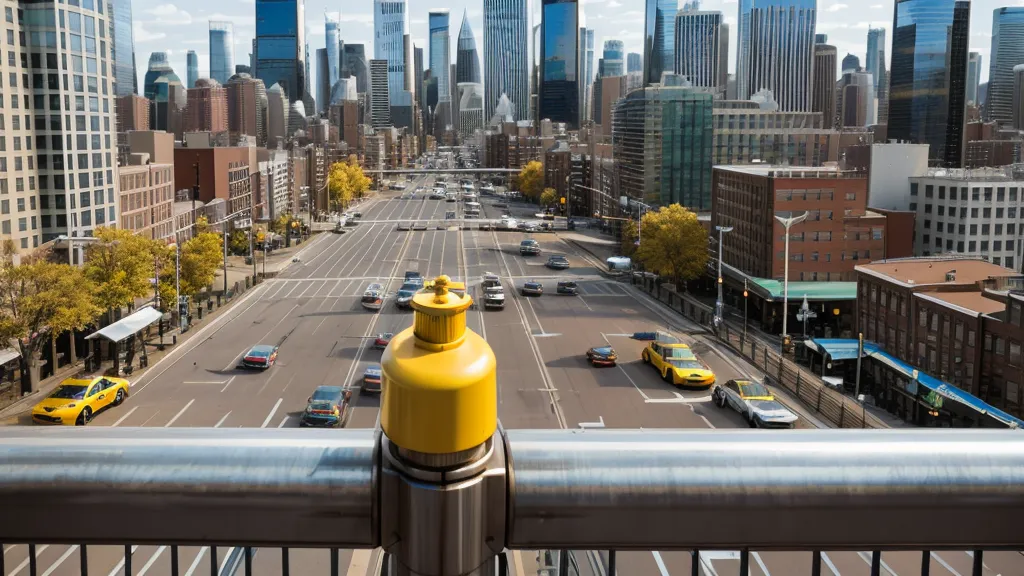
A sightseeing pass and a gym membership run on the same logic: pay once, feel obligated to hit every included stop, then start resenting the parts you never get around to. I ran that test on New York's observation decks this winter, checking whether a bundled pass actually helps someone chasing specific light instead of just clearing boxes off a list. Eight years into travel photography, 32 cities in since 2018, and I still treat bundles like this with the same suspicion I'd give a "skip the line" sign outside a nightclub. New York turned out to be one of the few cities where the math actually gets interesting.
Quick disclosure before the questions start: a few of the passes and operators named below pay me a small commission if you book through my links, at no added cost to you. That doesn't buy softer notes here — every ticket below got paid for on my own card first, and the links went in only after I'd decided a product earned the mention.
Does a Sightseeing Pass Actually Save Time at NYC's Observation Decks?
Short answer: sometimes, and only if you were already committed to that specific deck. Booking individual sunset slots at the Empire State Building turned brutal once the holiday rush started in mid-November, every 5 PM window gone three days out. The New York CityPASS works like a standby ticket in that situation — it doesn't guarantee the moment, but it removes the second transaction and the second line of hoping a slot frees up. You still clear the same mobile-entry gate and security screening as anyone holding a single ticket; the pass buys flexibility on which door you walk through, not a shortcut around the doors themselves. One thing worth knowing regardless of which ticket you're holding: the 86th-floor deck is open-air, which matters more than any pass feature, since it's the reason you're not fighting the glass reflections that plague newer glass-box decks.
Booking GetYourGuide for a Specific Golden-Hour Slot
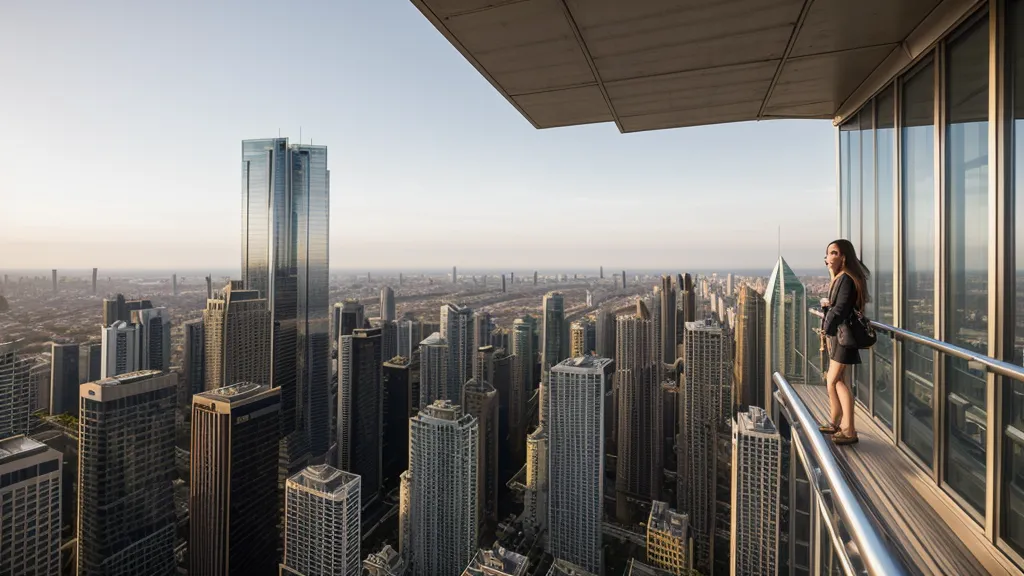
My friend Weston Arambula, another freelancer who won't leave the apartment without checking three separate sunrise apps, talked me into testing individual bookings instead of the bundle for one particular window. GetYourGuide turned out to carry looser cancellation terms than the CityPASS reservation system, which matters when a cold front rolls through and kills the exact light you planned around. That's the guided-versus-self-guided question in miniature — a pass locks you into a schedule the venue sets, while booking direct leaves room to bail and rebook when the weather doesn't cooperate. Anyone who only needs one deck at one specific hour should probably pay full price and keep that flexibility.
Top of the Rock's Security Line Is a Different Beast
Rockefeller Center runs three viewing levels, and the 70th floor is the one with a genuinely unobstructed sightline, no glass or wire mesh cutting through the frame. Getting up there for blue hour means arriving before the queue snakes past the merchandise counters, and no pass changes that part of the equation — it's a queue-strategy problem, not a ticketing problem, and every skip-the-line product eventually teaches you the same lesson.
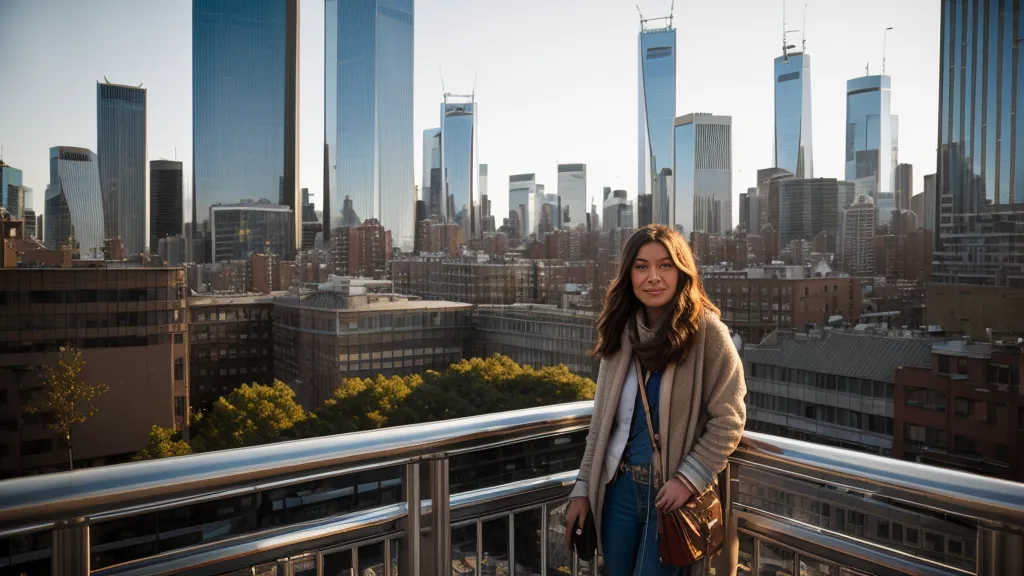
Security cost me forty minutes at one Midtown deck because my collapsible monopod "looked too much like a tripod" and got sent to a locker; most decks here ban tripods outright without a commercial permit, pass or no pass. Earlier that same week I'd rented an audio guide at the entrance kiosk, only to find the batteries dead by the second stop, which meant losing the exact minutes I needed for the light while chasing down a replacement. It's the same feeling as watching the bus pull away from the stop on the DUMBO waterfront under the Manhattan Bridge, doors closing right as you reach them, the next one not for an hour; the schedule doesn't know or care what you came there to see.
When a Multi-Attraction Pass Actually Breaks Even
The break-even question is the one readers ask most, and the honest answer is a threshold, not a feeling: a CityPASS or similar multi-attraction pass almost never pays for itself unless you visit at least three of the four or five included venues inside the same trip window. Buy it planning to hit two attractions and you're paying more than if you'd bought each ticket separately — the math loses on paper before you've climbed a single elevator. Different cities also cover different tiers of attractions under the same pass name, worth checking before assuming the New York version behaves like the one somewhere else; I get into how those coverage tiers shift city to city in my Best Chicago CityPASS Attractions for Architecture Photography notes. If you're only doing the Empire State Building and one other stop, skip the bundle and buy direct.
Should You Add Big Bus, Trip.com, or Neither?
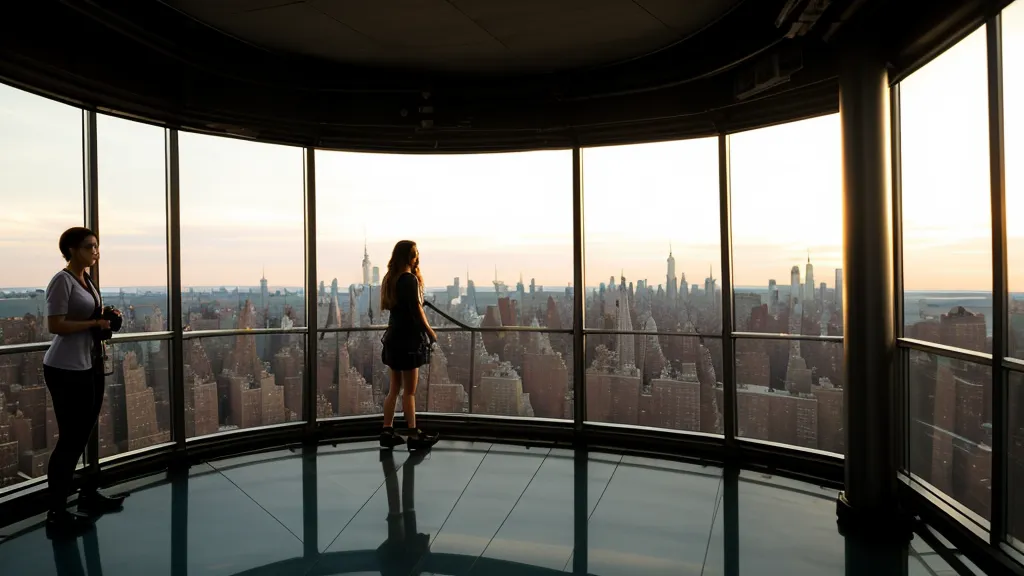
A reader named Ignacio Sousa — the same non-photographer who stress-tested my Tokyo day-trip itinerary and sent back a four-paragraph debrief on what actually held up — asked whether the same three-stop logic applies to a first NYC weekend. It does, with one addition: Big Bus Tours is worth pairing with the pass if you want the decks connected without hauling a camera bag through the subway, even though the bus loses to the train in rush-hour traffic. That's the hop-on-hop-off economics question in short: you're trading speed for not having to think about transfers, a fair trade on a first trip and a bad one if you're chasing one specific hour of light. Shooting the skyline from a moving bus deck after dark is its own separate mess of blur and reflection, worth knowing about before you try it from the top level.
None of that touches golden-hour routing, which in a city this dense is really a walking-and-subway problem rather than a bus problem. Where you're staying can double as its own vantage point too, something that matters more in a city like Tokyo than here, where the decks themselves are the real draw. So: the New York CityPASS is the math pick if you'll actually hit three or more of the included decks, GetYourGuide is the better call for one non-negotiable slot, and Trip.com is worth keeping in a back pocket mostly for bundling once you're routing through Asia later in the same trip, less so for a New York weekend on its own. Leave the tripod at home, pack a spare battery for the cold, and let the pass handle the boring math while you save your attention for the light that's actually worth chasing.