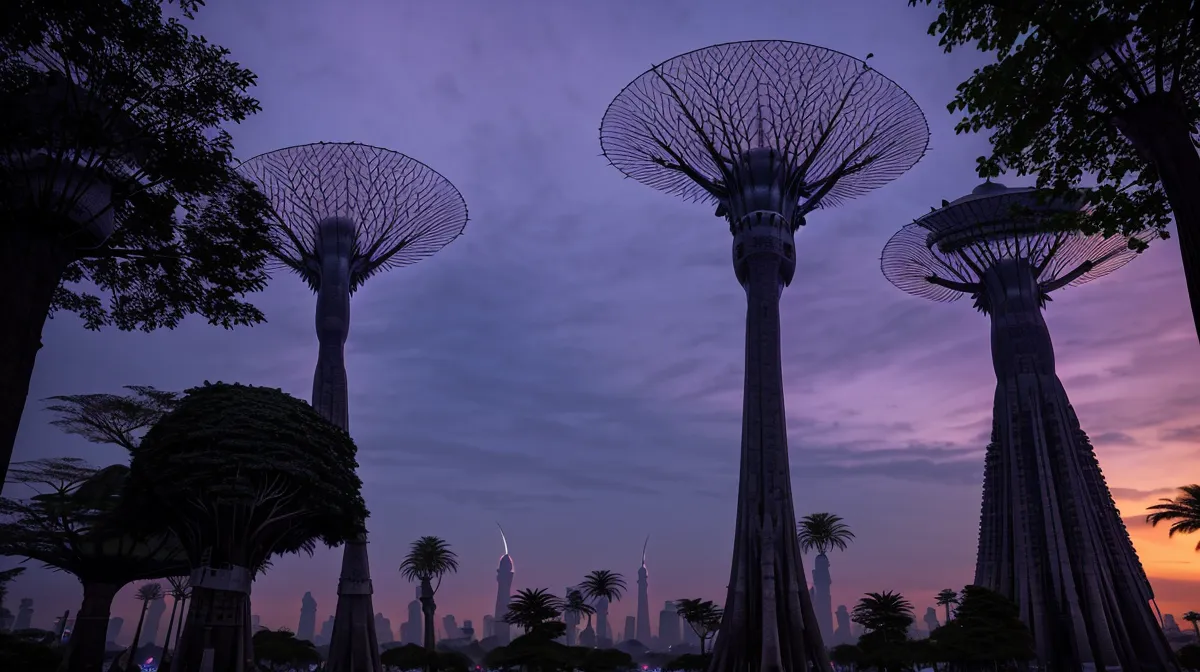
Condensation fogs a camera lens within ten seconds of stepping out of the Flower Dome into the Singapore night. That's the detail nobody mentions when they're pushing a Gardens by the Bay ticket for evening photography; the conservatories are built for orchids, not optics, and the walk back outside costs you shooting time you probably didn't budget for. Getting ahead of that is a planning problem, not a luck problem, and it starts with which ticket lands on your phone before you're anywhere near the gate.
The first time I sorted evening tickets for the Gardens, I let the hotel concierge handle the booking and paid something like a third over the walk-up price for the privilege of not queuing myself. Never again. A concierge desk earns its markup on convenience, not on knowing how fast the light drops once you're standing a single degree north of the equator in Singapore, or which ticket actually buys back the minutes that matter. That lesson is the reason this whole piece exists.
Why the Concierge Booking Cost Me the Blue Hour
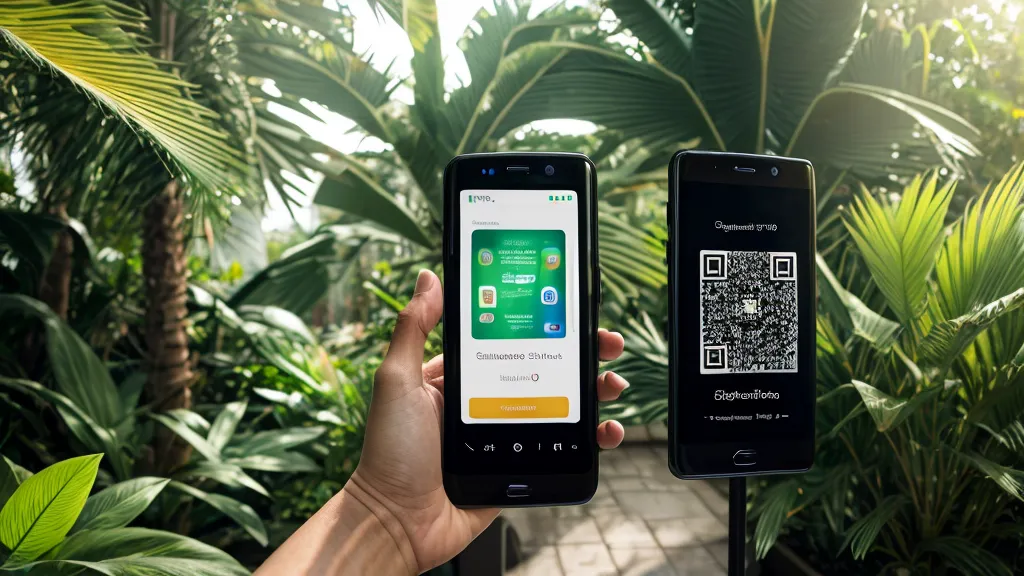
Digital-only tickets are the fix, and mobile entry is the only version worth buying if evening light is the point of the trip. Skip the walk-up ticketing hub near the main entrance, skip the line that snakes past the currency-exchange kiosk and a rack of sun hats, and go straight to the conservatory gate with a QR code already loaded. It took something like seven weeks of running that exact routine across other assignments — scan on arrival, no backup printout — before I trusted it enough to stop carrying a paper copy as insurance.
It's the same queue-strategy call I've had to make outside plenty of ticket booths since: pay up front for the skip, or gamble that the walk-up line stays short enough not to matter. Here the gamble isn't worth it. Equatorial dusk doesn't linger while you shuffle forward.
Skipping that line is worth roughly the twenty minutes of usable blue-hour light most people underestimate — enough to walk the Grove, find the one Supertree angle without a maintenance ladder leaning into the frame, and get the tripod legs set before the color goes flat. Whatever ticket you buy, buy it so that part of the evening is boring.
Reading the GetYourGuide Ticket Tiers Before the Light Fades
GetYourGuide bundles the Cloud Forest and Flower Dome together, but the Skyway sits in a separate tier, and whether that add-on earns the extra tap depends entirely on what you're shooting. My photo editor, Priyanka Suri, texted me mid-edit asking the same question — she never travels without a second camera body and a bag of primes, so before she'd pack for a Singapore trip of her own, she wanted to know if the domes and the Skyway came bundled or had to be bought apart.
Reading through the tiers for her felt like the same math I run on any bigger city-pass comparison — whether the bundle breaks even before your legs give out — and here it takes roughly one Skyway visit to clear that bar.
What the Flower Dome Does to a Lens After Dark
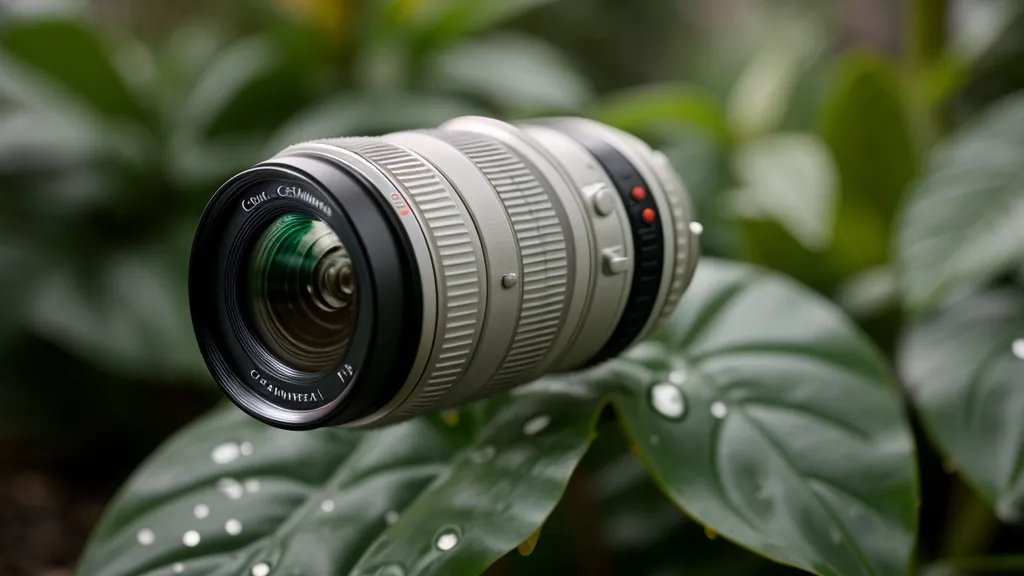
Cloud Forest is held at a cool 23 to 25 degrees Celsius for the highland plants inside, which is pleasant for visitors and rough on gear the moment you leave. Stepping back into the tropical air, humidity hits the glass the way a bathroom mirror fogs after a hot shower, and the front element sits useless for a good ten minutes while it acclimates. Standing there wiping a lens that's already damp, watching the sky lose its color, is not how you want to spend the start of blue hour.
Planning the route through the domes is its own golden-hour-routing puzzle, not far off from plotting a whole sightseeing loop backward from the fifteen minutes when the sky is actually doing something interesting. I've written before about how GetYourGuide after 32 cities mostly comes down to a guided-vs-self-guided call — whether you need someone narrating the plant taxonomy, or just the ticket that gets you through the gate fastest.
Inside the dome at night, the lighting is built for atmosphere, not for clean sensors, so you're either pushing ISO into grainy territory handheld or fighting waterfall mist on a tripod. It's a shoot-worthy stop. It's also more of an engineering marvel than a pure photography playground once the sun's down — the glass throws the interior lights back at you, and you end up shooting your own reflection instead of the skyline outside.
Does the Skyway Ticket Earn Its Price?
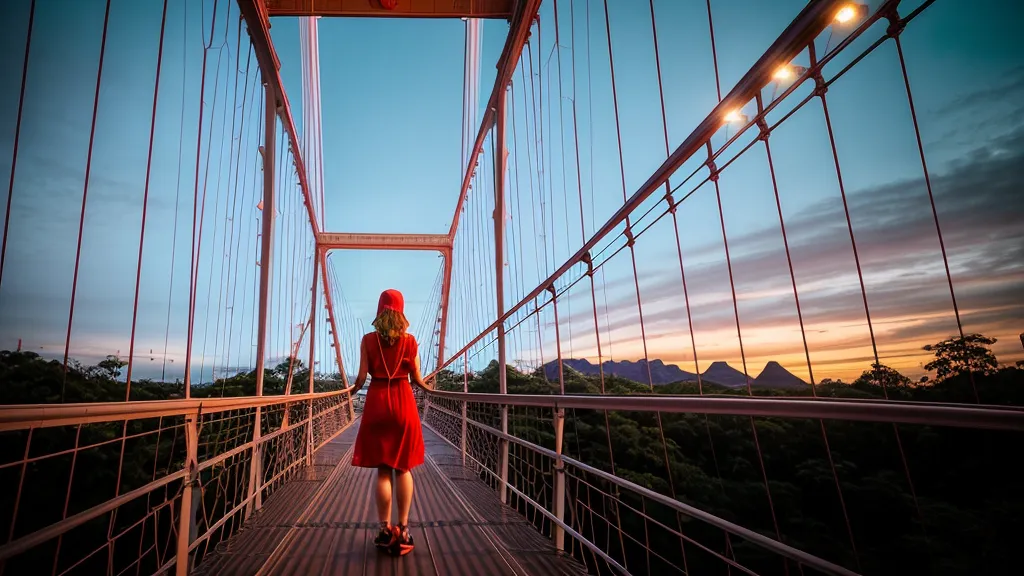
The OCBC Skyway sits 22 meters up and it moves — a kid running past, a group stopping for a photo, and a ripple travels the whole span. Long exposures don't survive that. Fast prime lenses shot wide open do, since a high enough shutter speed compensates for the sway better than any amount of bracing ever will.
Testing a monopod once on the Prospect Park Boathouse lawn back home taught me a version of the same lesson on solid ground — stable until someone jogs past, then you're correcting for a full second before the frame settles again. Up on the Skyway that correction time doesn't exist, so you stop treating a tripod as the default tool for the job.
It's the same night-exposure-from-moving-transport problem as shooting neon off the top deck of a double-decker bus — the platform under you is never actually still, and once you accept that, the whole approach changes. A reader named Nikoleta Baran wrote in after an earlier guide went up, more interested in the Skyway's lattice detail than the panoramic hero shot most people go for, asking why I hadn't framed it tighter. Fair question — it's the same lodging-as-vantage-point trade-off as picking a hotel room for the view instead of the neighborhood, except here you're picking a ticket instead of a room, and the view is a suspension bridge instead of a window.
The Grove Goes Quiet After the Music Stops
Garden Rhapsody runs twice a night, fifteen minutes of synchronized light and sound that packs the Grove shoulder to shoulder. It's the kind of crush that reminds me of a shoot at the Vatican years back — everyone jammed in tight enough that the only thing visible above the crowd was a forest of phones held straight overhead, nothing at eye level but shoulders and the backs of heads.
If you've already worked out the Big Bus London night tour math, you know the same hop-on-hop-off-economics apply here — you're paying for mobility, not narration, and mobility is what gets you off the packed promenade edge and back toward the water where there's actually room to breathe. Positioning further back near the water during the show gets you the scale of the trees against the skyline without the elbow-to-elbow fight for a sightline.
Once the speakers cut and the crowd drains toward the taxi stand, the Supertrees stay lit but the frantic energy doesn't. That's when a thirty-second exposure finally holds — clouds smearing over the metal branches, not a single stray silhouette ghosting the frame. Nobody warns you that the best ten minutes of the night happen after the show everyone paid to see is already over.
Back in the loft in Gowanus, sorting the take under the skylights, the frames that hold up are never the ones shot inside the paid domes. They're the free ones, taken outside, after the ticket-holders with somewhere else to be have already cleared out. The whole trip comes down to one rule I still use everywhere I go now: buy whichever ticket gets you past the gate fastest, then spend as little of the evening as possible actually using it.