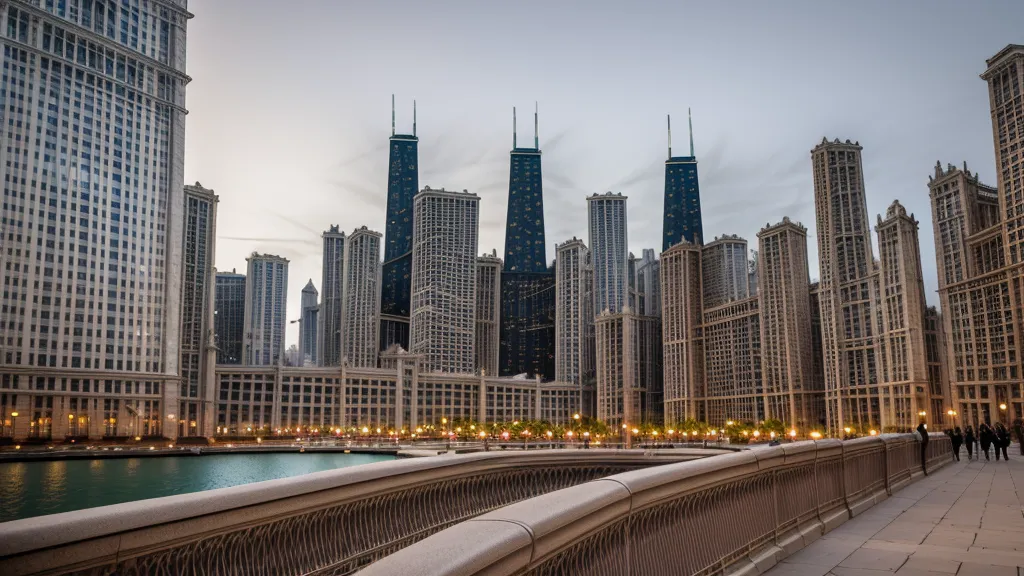
The orange line pulls into Adams/Wabash just as the light rakes across the green terra cotta and gold leaf of the Carbide & Carbon Building, turning the whole facade into something that looks like the neck of a champagne bottle. I'm not getting on. I'm checking a mobile pass for the next entry window at a tower six blocks over, because Chicago architecture photography is a game of timing, not luck, and today the timing runs through a CityPASS.
Quick disclosure before any of the comparisons: a few links below are affiliate links, and booking through them earns me a small commission at no cost to you. These are passes and tours I've paid for and used across dozens of cities, not just Chicago, and the commission doesn't change which stops I tell you to skip. Where the math actually works out for a photographer's itinerary, it's usually the Chicago CityPASS, and the rest of this is why.
Down at street level, most of the skyline the Chicago School built here rewards a very specific kind of patience, and most tourists never find the right angle because they're stuck choosing between an overpriced individual ticket line and a bus tour they don't trust yet. The pass solves the first problem. The rest of this is about solving the second.
Willis Tower or 360 Chicago: Which Skydeck Actually Earns the Climb?
Both towers sit under the same CityPASS, and they are not interchangeable. Willis Tower runs 1,450 feet up, and while the glass-floor Ledge is a gimmick built for a thirty-second video clip, the view south over the industrial corridor is the one worth a telephoto lens and patience. Weston Arambula, a friend who tracks every guided tour he's ever paid for out of pocket in a spreadsheet he won't show anyone, texted me from the ticket line asking if the wait was worth it before I'd even reached the top. Whether you triage that kind of line by gut feeling or by some system is its own conversation I'm not getting into here.
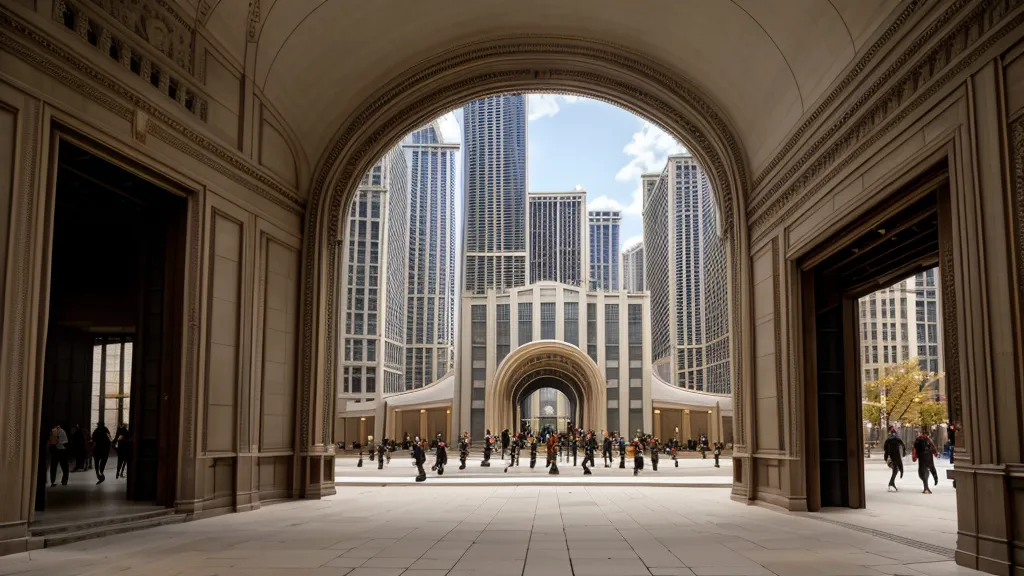
On a cold Tuesday, I got three hours up there before anyone made me move along, which is the entire case for the pass right there: skip the ticket window, keep the tripod time. Most visitors do the sixty-second glass-floor photo and leave. Staying put let the shadows of the surrounding towers stretch long across the grid. Chicago's grid technically starts at the intersection of State and Madison, and from 1,450 feet it reads like the traces on a circuit board. Reflections are the tradeoff: the interior lights bounce straight back at you through thick glass, so a lens skirt or a dark hoodie over the front element earns its keep.
360 Chicago pulls the opposite move. The Tilt platform is a novelty that moves too fast to frame anything cleanly, but the lakefront view is the stronger of the two: the curve of Lake Shore Drive against the stone facades reads better than anything Willis offers looking north. Fewer stops, more time in one place: that's the real lesson the pass teaches once you stop trying to hit every attraction in two days and start picking the two or three with the best light window.
A Free Walking Tour Loses to a Big Bus Top Deck, Every Time
Carrying two camera bodies, three primes, and a full tripod down LaSalle Street feels like a forced march, so on a heavier gear day I climbed to the top deck of a Big Bus Tours bus instead and used the rail as a mobile tripod. It sounds like a shortcut for people who don't want to walk, and it kind of is, but the second deck happens to sit at exactly the right height for the kind of urban exploration that street-level architecture photography can't reach: the masonry details on the Financial District facades that get lost from the sidewalk.
Compare that to the free walking tour I tried on an earlier trip: forty of us bunched around a guide holding a paddle sign, less an architecture lesson than a fire drill nobody had rehearsed, and between the traffic noise and the crosstalk I caught almost nothing the guide actually said. That's the actual comparison this section is about: a paid top deck with a clear sightline beats a free tour with no crowd control, every time I've tested it.
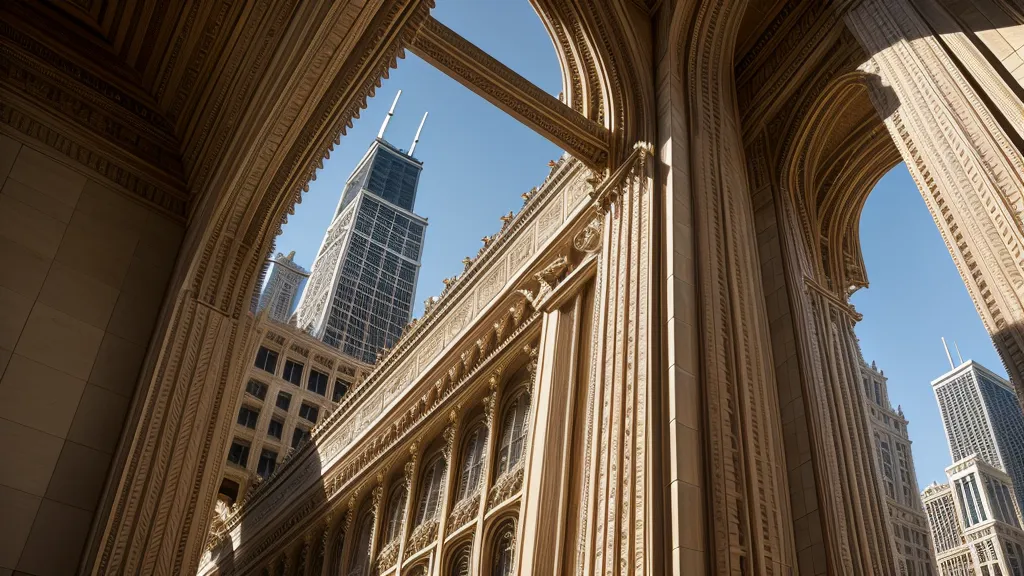
From the top deck you're looking straight into the heavy, recessed windows of Brutalist architecture that disappears once you're back down at eye level. I've pulled this same move before, the same logic behind the Best Big Bus San Francisco Route for Golden Gate Views: height minus effort equals a better frame. Working out where a hop-on-hop-off loop actually catches golden hour instead of missing it by one stop is a puzzle I've had to solve differently in every city, and Chicago's route through the Loop is slow enough that a 35mm prime can track a full building face and still catch the 'L' reflected in the lobby glass.
None of this works after dark, which I only really learned on a double-decker in London that took a corner harder than expected mid-exposure: the shutter still open, every streetlight smearing into a long orange streak instead of holding still as a point of light. A moving vantage point costs you exactly as much as it gives, and the economics of a hop-on-hop-off ticket change completely once the sun's down and you're trying to shoot instead of just ride.
Reading the River Light
The river is the piece the CityPASS doesn't cover, since it lets you choose between land-based museums instead, so I usually add a boat tour booked through GetYourGuide on top of it. It's the one paid 'tourist' add-on that has earned its cost every single time, mostly because the light on the water is unpredictable enough that you want a departure time you actually picked rather than whatever slot is left.
Whether a guided cruise beats waiting around for the right light on your own is an argument I have with myself in most cities, the same way I did with the GetYourGuide Barcelona Sagrada Familia Tours booking, and Chicago never fully settles it either way. Picking a hotel room for the view instead of the neighborhood is a different calculation I made once for a shoot in Tokyo and haven't stopped making since, and it applies here too if you're staying anywhere near the river bend. Late afternoon is the window that works: the water sits in cool shadow while the top of the Wrigley Building still catches full sun.
Does the Chicago CityPass Actually Pay Off for Architecture Photography?
A reader named Ignacio Sousa, who won't act on a pricier recommendation without seeing the payoff spelled out, emailed me the blunt version of this question after trying one of my other itineraries: does the pass math actually work, or is it just a convenience fee? The same break-even math that decides whether New York's CityPass is worth carrying applies here. Once photography stops are the only ones you actually care about, you're comparing the pass price against the individual entries you'd otherwise pay for one by one.
Price the Chicago CityPASS against separate tickets for the Willis Tower Skydeck, the Shedd Aquarium, and the Field Museum, and you're already past what the pass costs before you've touched the time savings. Every city's pass covers a different tier of attractions, and figuring out which tier actually photographs well is a comparison that changes city to city, which is the real reason to check before you buy rather than after. For anything outside the pass, a late hotel change or ground transport near the Loop, I keep Trip.com open as a backup, mostly because it's saved me more than once when a shoot got rained out and I had to rework the whole afternoon.
Comparison of Chicago Photography Access
Side by side, here's how the three main options stack up for a working photographer:
| Product | Best For | Price Range | Photographer's Note |
|---|---|---|---|
| CityPASS | Skyline & High Altitude | ~$114 USD | Essential for skipping Willis/Hancock lines. |
| GetYourGuide | River Cruises & Specialized Tours | Varies ($40-$60) | Best for picking specific boat departure times. |
| Big Bus Tours | Street Level & Canyons | ~$50 USD | Upper deck is a great 'moving tripod' for LaSalle St. |
Pick Fewer Stops and Wait for the Light
The biggest mistake I still see people make is trying to hit all five CityPASS attractions in a single 48-hour sprint and coming home with a thousand mediocre photos of the backs of other people's heads. Fewer stops, more waiting, works better every time: pick the two or three that matter for the shot you actually want, then stay until the shadows from the steel frames finish crossing the brickwork.
Back in Brooklyn a few days later, picking through whatever was left at the Grand Army Plaza Greenmarket stalls, I pulled the memory cards and started the real edit. In the loft in Gowanus, the skylights doing their usual job of turning hard sun into something even the diffusion film can handle, I pinned the strongest frames up next to the wall of old contact sheets and ran the drives side by side to see which vantage point actually held up once it was six feet tall on a monitor instead of three inches on a phone screen. The Skydeck won on scale. The river cruise won on color. Neither one would have happened on schedule without the pass doing the boring logistics work first.
If you're weighing this for your own trip: buy the Chicago CityPASS when you're doing the vertical stuff, Skydeck plus 360 Chicago plus at least one more stop, because that's where it beats paying per ticket and buys back your afternoon. Skip it if you only want one high vantage point on a single tight day; pay that one entry fee directly and put the savings toward a late-afternoon river cruise through GetYourGuide instead. Either way, skip the free walking tour unless you enjoy fire drills; everything else is just waiting for the light to do what it's going to do anyway.