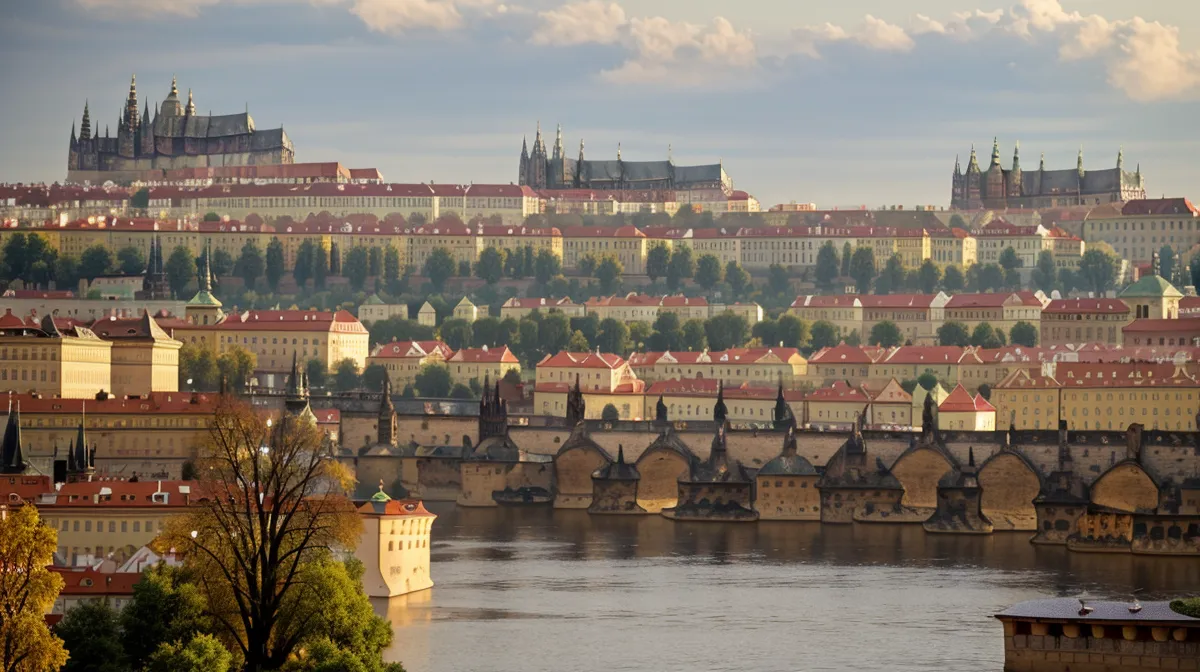
I once bought the right ticket for the wrong version of an attraction. Prague Castle is where that problem caught up with me: a 70,000-square-meter complex split into circuits, courtyards, and one cathedral that turns into a stained-glass kaleidoscope for maybe forty minutes a day if the light cooperates. I had one full morning before a flight back to Brooklyn, a GetYourGuide app full of half-read fine print, and camera bag straps already cutting into my shoulder. Burning that morning at the wrong gate was not an option, and figuring out which ticket actually got me where I needed to be turned into its own small research project.
Six months of back-to-back assignments had worn my patience for logistical friction down to nothing. Public transit standing in for a guided tour is the whole premise behind my notes on Lisbon's Tram 28, which rolls past six or seven photogenic blocks for the price of a regular fare, and Prague's castle hill needed the same kind of thinking: skip the manual ticket counter, find the route that removes friction instead of adding a queue to it.
Back in Brooklyn, a friend of mine spends her Saturdays on a softball diamond in Prospect Park while I'm hauling gear through some other city's fog. Before this trip I told her the mist over the Vltava reminded me of early morning at the Bushwick Collective on Troutman Street, both places turning ordinary walls into something worth stopping for once the light lands at the right angle.
The one time I trusted a Tripadvisor top-ten list over my own legwork, it walked me straight to a restaurant that had closed months earlier, and I stood outside it feeling like an idiot with a reservation for a place that no longer existed. By Prague, I had stopped outsourcing decisions like that. Every ticket, every entrance, every circuit got checked against what I actually needed to shoot, not what a ranked list said was worth doing.
Twelve weeks into testing tours and tickets city to city, I still carried the memory of Rome at noon, sun flaring off every wet cobblestone in a puddle-streaked piazza, the day I stopped trusting generic "best time to shoot" advice and started checking conditions for the specific stones under my own boots. Prague's fog works on its own schedule, not a sunrise chart, and that lesson from Rome is the only reason I didn't waste this trip waiting for a sun that wasn't coming yet.
Why Mid-Morning Photography Beats a Sunrise Start at Prague Castle
The standard advice for Prague Castle is to arrive at the crack of dawn. On paper it sounds smart. In practice, the Vltava throws off a mist thick enough to work like a giant softbox with a broken dimmer switch, and if you show up too early the castle is just a silhouette sitting in a bowl of milk. You lose every bit of texture that six centuries of stonework earned.
A quick espresso near Malostranská station was enough time for the fog to start peeling back, revealing the Gothic spires of St. Vitus one section at a time. Instead of grinding up the Old Castle Stairs, I rode the tram to the Royal Garden entrance, a free transfer that saves your knees for the actual shoot. While the crowds bottlenecked at the lower gates, I was already inside the perimeter checking which circuit my ticket actually covered.
There's a reason I've written before about my GetYourGuide experience after 32 cities, weighing when a guided ticket beats doing the research yourself, and Prague is where that filter mattered most. The castle isn't a single building, it's a small city with paid zones instead of one blanket entry, and buying the wrong circuit means you're holding a ticket for the bus while the train you wanted pulls away.
Queue strategy is queue strategy wherever you go, the same math I ran outside the Vatican months earlier in a line that barely moved before the doors even opened, and whether a ticket bundle actually pays for itself is the whole subject of my notes on New York's CityPASS and its observation decks. Circuit B at Prague Castle forced the same arithmetic on me standing at the ticket kiosk: was the bundle worth more than the sum of the buildings inside it, or was I paying for rooms I'd never bother shooting.
The Prague Castle Ticket Maze: Circuits, Not One Simple Entry
Security checkpoints are mandatory for everyone entering the grounds, and that's where a morning can quietly die. Late one October, I watched three tour buses unload at once, and had I been stuck in the general ticket line that's a forty-five-minute delay gone before you've shot a single frame. A mobile ticket let me skip the ticket-office bottleneck entirely and walk straight to the security scan.
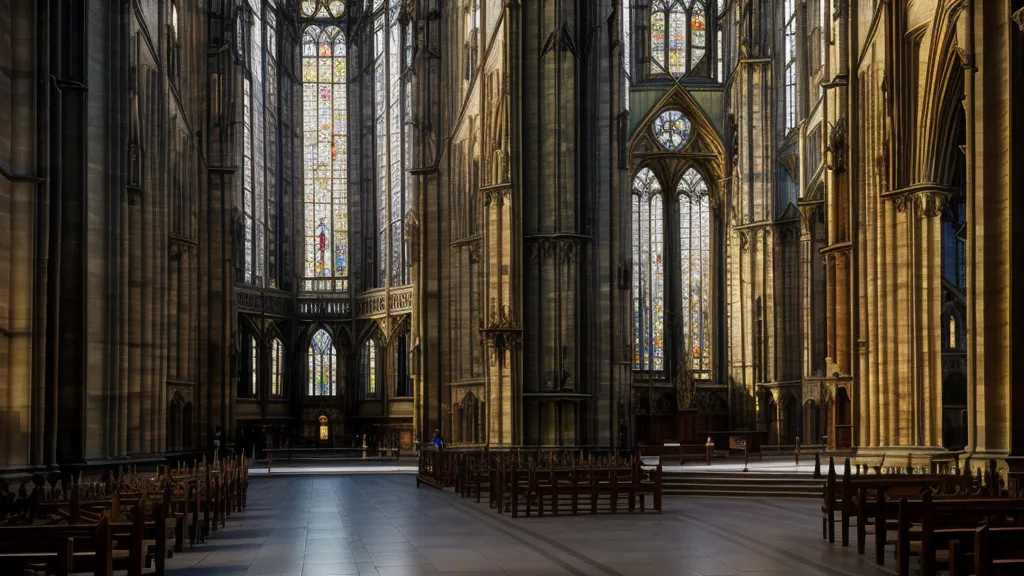
The economics of a hop-on-hop-off pass, the ones I broke down for London's night bus loop, come down to how many stops you actually use before the ticket window closes, and Circuit A runs on the same logic: pay for access, then make sure you use every piece of it. Sunlight hitting the stained glass inside St. Vitus turns the stone floor into a shifting kaleidoscope, but the window is narrow. Too early and the colors are flat. Past 11am the crowd is so thick you can't see the floor at all.
Circuit A and Circuit B tickets cover the Old Royal Palace, St. George's Basilica, and the Golden Lane, and each building takes one entry even though the ticket stays valid for two days. Every city pass covers a different slice of a place, something I mapped out zone by zone across a broader pass comparison, and Prague splits its castle the same way, charging by circuit instead of by building. I found that out the hard way in early April when I left the Basilica to swap a battery and couldn't get back in for a wider shot. How much gear actually slows you down on a walking tour is an argument I have with myself every time I pack for Rome, and that day in Prague settled it again in favor of carrying less and moving faster.
Is the Golden Lane Worth Its Own Circuit Ticket?
By the time I reached the Golden Lane, the light had turned harsh, the flat kind of high-noon sun that erases detail instead of revealing it. Skipping the morning fog and the ticket lines had bought me twenty minutes of near-silence in that tiny, colorful alleyway before the midday swarm showed up. It's a staged little corridor, sure, but the low doorways and worn cobblestones hold up fine under a telephoto.
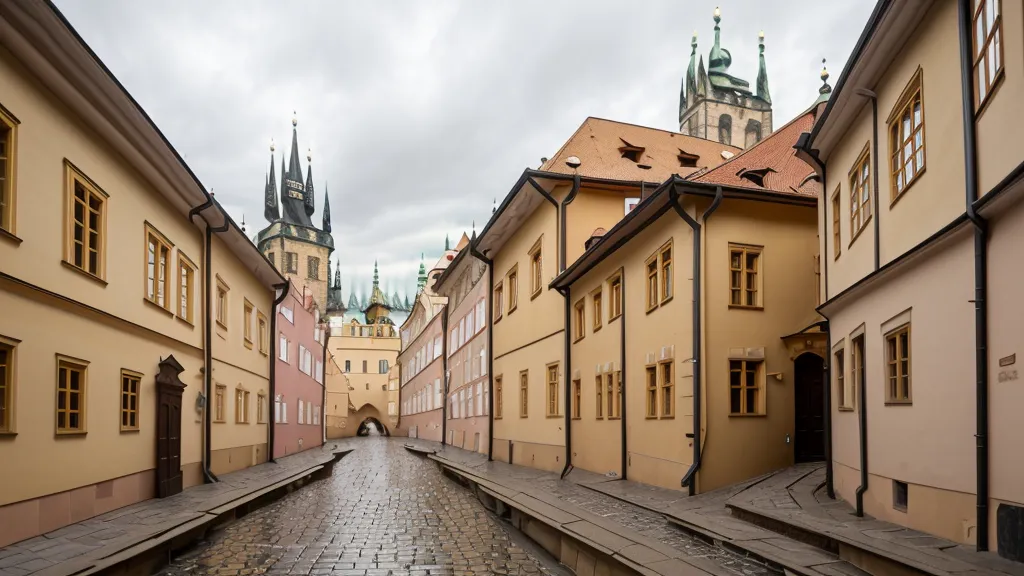
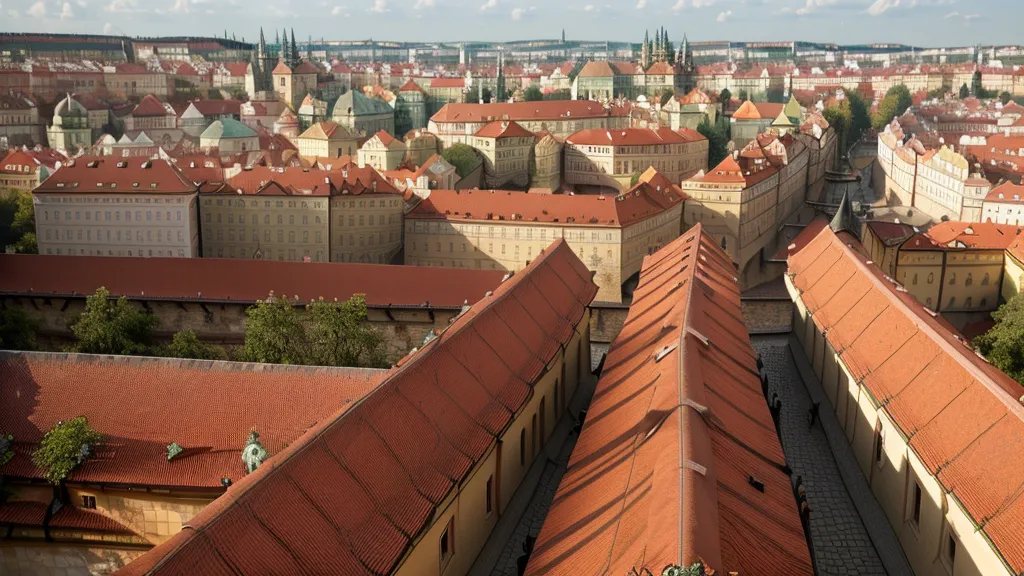
The view from the ramparts near the Lobkowicz Palace stayed wide open even with the South Gardens closed for winter maintenance, red roofs spreading out below like a map of Malá Strana. It reminded me of the vistas I caught doing Tuscany wine tours from Florence for better photos, where a smaller group meant nobody rushed me off the good angle before I'd found the frame.
Golden-hour routing mattered just as much on a Paris hop-on-hop-off loop I mapped once around which stop hit the skyline right as the sun dropped, and sometimes the best vantage point isn't a ticket at all, it's where you're sleeping, the way a hotel window in Shibuya solved half my shot list on a Tokyo trip without a single pass. Shooting a long exposure from a moving vehicle is its own separate skill, one I only got right on a night bus loop past the Las Vegas strip, and it has nothing in common with standing still on solid ground the way you can on castle ramparts.
Packing Up Before Prague's Midday Tour Crowds Arrive
Walking downhill toward the city, watching the midday crowds swarm the courtyards like a delayed commute, there was a specific kind of satisfaction in still having creative energy left over. Nothing had been spent on logistical frustration. The files were already on the memory card, and the afternoon was still mine.
Anyone heading to Prague this summer shouldn't let the sunrise-or-bust crowd set the schedule. Trust the mist to do its own thing, buy the entry that matches the specific circuit you actually want to shoot rather than the cheapest bundle, and take the tram to the back entrance instead of the stairs everyone else is grinding up. The lesson travels well past this one castle: let the fog and the floor plan decide your start time, not an alarm clock or a ranked list someone else wrote.