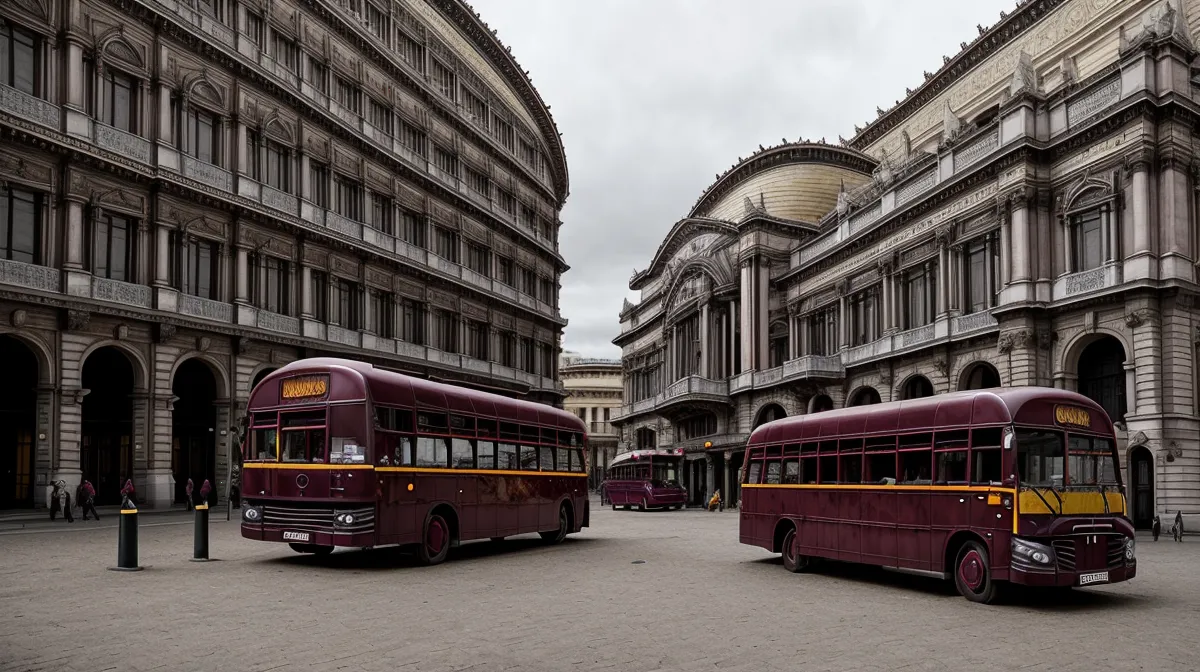
Standing outside the Staatsoper in late November, the wind-chill was cutting through my parka like a serrated blade. My camera bag, loaded with two bodies and a trio of heavy f/2.8 zooms, felt less like a professional tool and more like a lead weight anchored to my lumbar. I had just finished a four-hour editorial shoot in the First District, and the thought of navigating the U-Bahn transfers to get out to the palaces made my knees ache in anticipation. In this city, the grandeur is undeniable, but the geometry is brutal.
Just a quick heads up before we get into the logistics: some of the links in this article are affiliate links. If you book a seat through them, I earn a commission at no extra cost to you. I’ve personally paid for these tickets on my own card, tested the routes during my 2026 winter season shoots, and used them to save my own spine when the 20,000-step days became too much. It doesn't change my notes on which stops were worth the time and which ones were just filler.
The Geometry of Exhaustion: Why Walking Vienna Fails
Vienna’s layout is deceptive. You look at a map and see the Ringstraße, that 5.3 kilometers of pure architectural flex circling the city center, and you think, "I can walk that." But by the time you’ve zig-zagged for the right light on the Parliament building and the Rathaus, your legs are shot. On my first day this season, I made the amateur mistake of trying to walk from the Hofburg all the way out toward Schönbrunn. I ended up lost near a concrete highway interchange, sweating through my base layers, and I missed the golden hour light entirely. It was a total wash.
For a freelancer, time is literally money, and physical burnout is a budget line item nobody talks about. I’ve spent years shooting travel features across 32 cities, and I’ve learned that the 'authentic' way—walking until you drop—is often just a recipe for mediocre photos and a ruined evening. This is especially true if you’re managing chronic pain or just a heavy gear load. I needed a way to hit the heavy hitters like the Belvedere and Schönbrunn without the logistical nightmare of three different transit transfers.
The Strategy: One Ticket, Two Routes, Zero Transfers
I decided to stop being a martyr for 'local' travel and hopped on the Big Bus Tours. Vienna’s service is streamlined compared to the chaos of London or Paris; they only run 2 official routes. The Red Route handles the Ringstraße loop, which is great for a quick wide-angle sweep of the inner city, but the Blue Route is the real workhorse for anyone who wants the palaces. It’s the only direct line that connects the Museumsquartier to the Belvedere and then out to the far reaches of the Hapsburg estate.
I remember a freezing Tuesday morning in mid-January when I boarded at the Opera stop. As I sank into the seat, there was a distinct, audible 'pop' in my lower back finally releasing. It’s that specific relief you only get when you stop fighting gravity. I watched the crowds huddled on the drafty U4 platform as we rolled past, admitting to myself that sitting on a heated lower deck for ten minutes beats standing in a wind tunnel with eight thousand dollars of glass in my bag any day. For travelers with mobility issues, this isn't just a luxury; it’s the difference between seeing the city and seeing the inside of a hotel room.
Schönbrunn Without the Trek
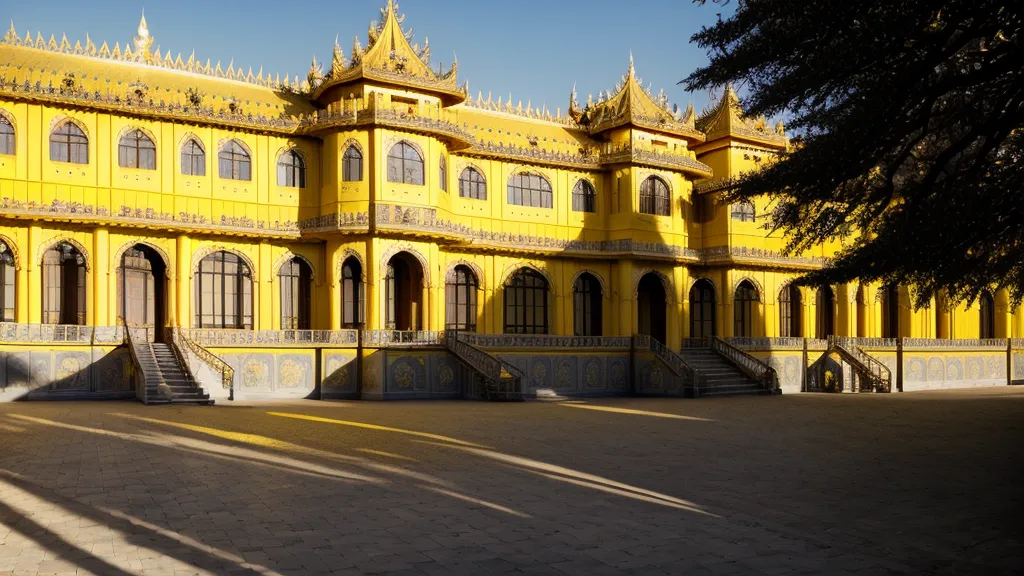
Schönbrunn Palace is a monster. We’re talking 1,441 rooms and gardens that feel like they belong in a different zip code. Most people take the U-Bahn, walk ten minutes from the station to the gate, and then another fifteen to the actual palace. By the time you get your ticket, you’ve already done a mile. The Big Bus drops you significantly closer to the main entrance, which is a godsend when you're trying to time a shoot for the late afternoon glow.
While we crawled through the suburban traffic toward the palace, I actually kept the headphones in. Usually, on-board audio is like a podcast nobody asked for, but the Hapsburg historical context was surprisingly tight. It gave me the exact narrative beats I needed for my photo captions—details about the Maria Theresa era that I would have spent an hour Googling later. If you’ve read my Miami Street Photography Tips for the Big Bus Tours, you know I value the bus as a mobile scouting platform. In Vienna, it’s also a mobile research desk.
The Sensory Shift at the Belvedere
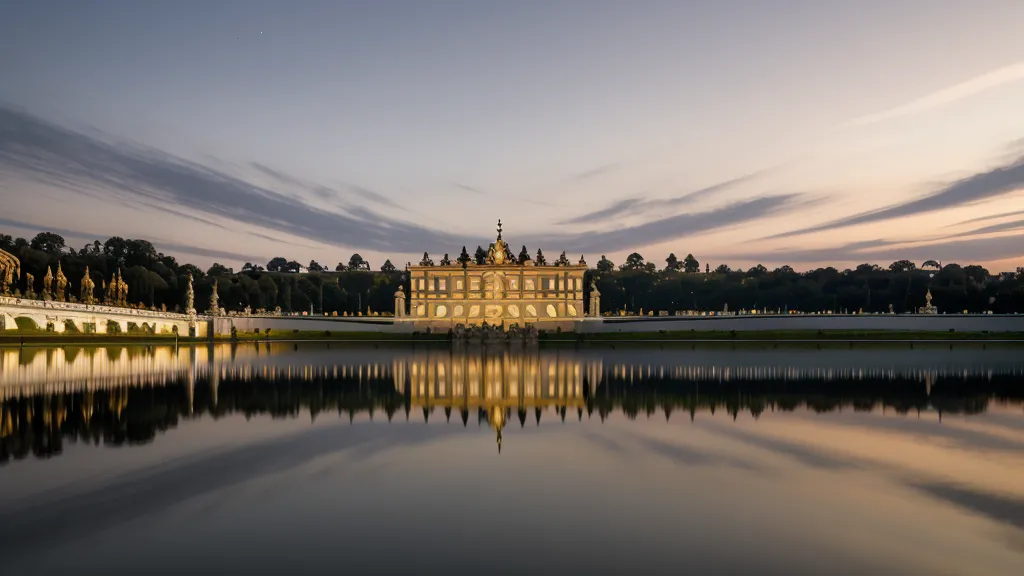
After two full loops to get my bearings, I timed my final stop for the Upper Belvedere in mid-December. The transition of light in Vienna during the winter is fast—you get about twenty minutes of that deep, electric blue before it’s pitch black. Being able to hop off the Blue Route right at the Belvedere gate meant I had fresh legs for the walk up the hill to the palace pond. I caught the reflection of the Baroque facade in the water just as the interior lights flickered on. It’s a classic telephoto shot, compressing the ornate roofline against the darkening sky.
As the bus pulled away from the stop later, the sharp, sweet scent of roasted chestnuts rose from the Rathausplatz market. We crawled past the illuminated Gothic spires of the City Hall, and from the top deck, you get a perspective you simply can't get from the sidewalk. You're level with the statues, looking the Hapsburgs in the eye. It’s a vantage point that makes the 5.3 kilometers of the Ringstraße feel like a private gallery rather than a grueling hike.
Is It Worth the Euro?
I paid about 35 Euro for my ticket (prices fluctuate, so check the current rate on Big Bus Tours or see if there's a bundle on GetYourGuide). Compared to a 24-hour transit pass, it’s expensive. But if you’re carrying a tripod, a child, or a bad hip, the math changes. You’re paying for the seat, the heat, and the lack of transfers. Much like my experience documented in the Big Bus London Night Tour Review, the value is in the elevation and the ease of access.
Vienna is a city designed for carriages and kings, not for photographers with bulging discs and heavy backpacks. Sometimes the 'tourist' way is the only way to save your sanity and your spine. If you want the palace views without the physical tax, the Blue Route is the most efficient transfer you’ll find in the city.
Before you head out, make sure to check the palace closing times; Schönbrunn shuts its gates earlier than you’d think in the winter months. If you’re planning a trip, I’d recommend booking your Big Bus ticket online in advance to skip the queue at the Opera house—it gets bottlenecked with travelers trying to figure out the map. Grab a seat on the right side of the bus for the best views of the Belvedere as you approach.