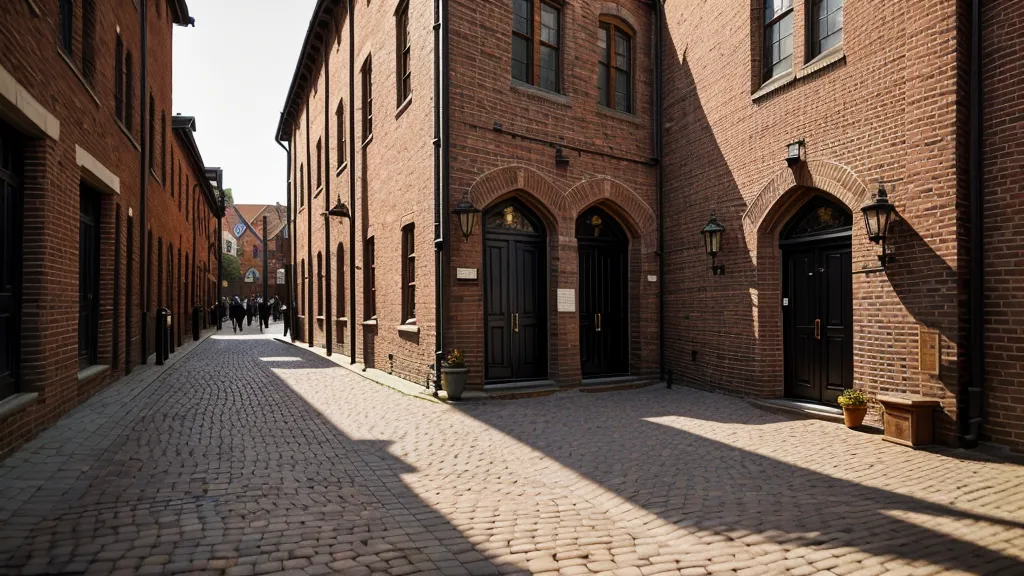
The question of how many attractions you actually have to walk into before a city pass stops being a gamble and turns into simple math sat behind every frame I shot with a Boston CityPASS in my pocket this past winter, waterfront wind cutting through two pairs of gloves and my camera settings drifting because my hands wouldn't cooperate.
Quick disclosure: a few of the tour operators and attraction passes mentioned here, CityPASS included, pay me a small commission if you book through my links, at no extra cost to you. That doesn't change which stops made the cut below, since I ran this math with my own card on a self-funded scouting trip, not a sponsored one.
Three to four attractions in one multi-day stretch is where the math actually flips in your favor, and the first frame that proved the pass was earning its keep was the Custom House Tower off Long Wharf, its clock face lit against a bruising sky while the harbor wind kept trying to walk the tripod legs backward.
How the Boston CityPASS Break-Even Actually Works
Boston's winter light lands at a lower angle by mid-afternoon, throwing long shadows across the Seaport District that a summer shoot never produces, and that's the light window the whole trip got built around.
A Boston CityPASS is where the math actually starts: individual tickets running close to thirty dollars each, coffee near seven, and the same four stops priced out one at a time pushing well past a hundred dollars for the day, versus a pass that cost about the same as two of those single entries. It's the same break-even question I ran against the observation decks in New York, just with a shorter list of stops to spread the cost across. The pass is only sold in nine U.S. cities right now, and coverage tiers vary enough between them that what counts as a full pass in Boston would look thin compared to some other markets.
Heated Vantage Points: The Aquarium and the Museum of Science
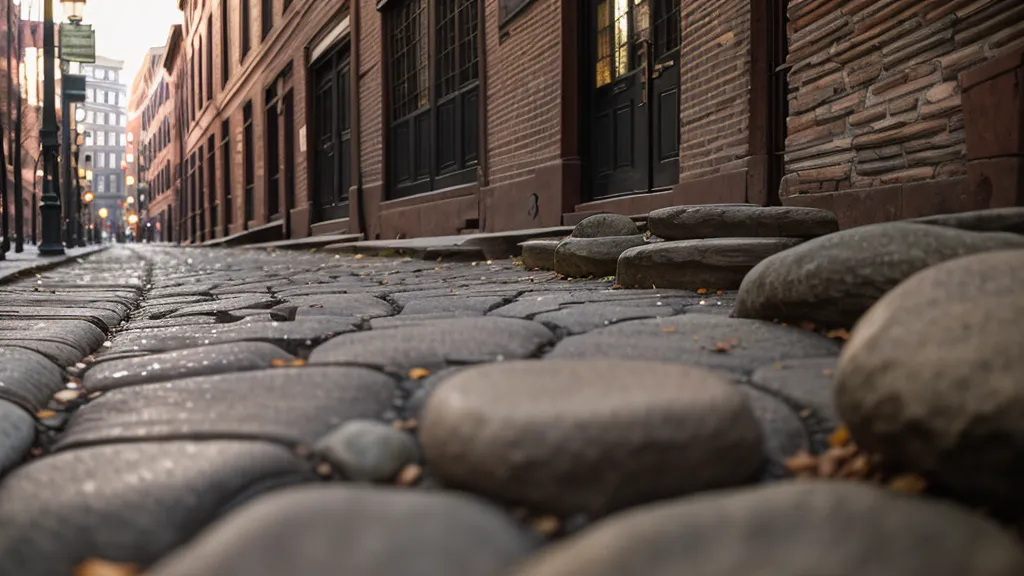
The New England Aquarium was the first real vantage point on the pass, and not for the penguins. The Giant Ocean Tank spirals up four stories, a 200,000-gallon coral reef system, and the top level clears a sightline over the harbor that street level never gives you. It's one of four attractions bundled into the Boston-specific pass, and on the coldest morning of the trip it was the only thing keeping the camera sensor from icing over.
Skip the polarizer if you try shooting through that curved acrylic, it smears everything into a chromatic mess, a fast prime lens shot wide open handles the glass a lot better. I'd already killed a battery pack testing cold-weather drain at the Grand Army Plaza Greenmarket in Brooklyn one raw January Saturday, before Boston's harbor wind ever got a turn at it.
The Museum of Science became the northern anchor by mid-February, its back windows over the Charles River lining up a clean telephoto angle on the Back Bay skyline right as the late-winter sun starts to drop. None of this involved thinking about lodging as a vantage point, the way picking a room with a Shibuya view does for a Tokyo trip, since the pass handed over the elevation directly. It also skipped the gear-load problem that shapes what I'll even bring on a walking tour through Rome, hauling two camera bodies and a tripod at someone else's pace instead of my own.
Read the Wind Before You Set Up a Shot
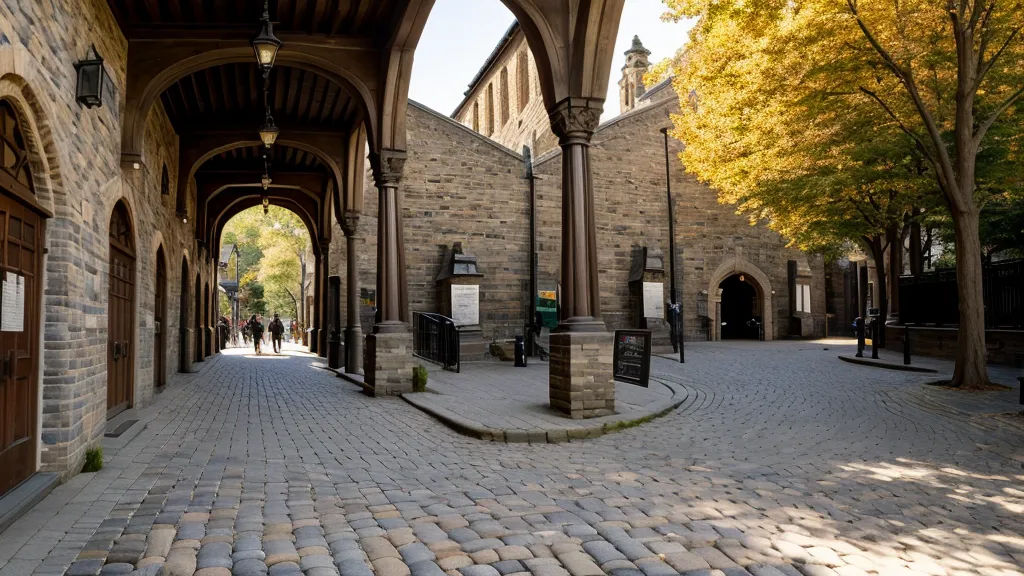
Forty-three miles of Harborwalk stretch end to end, but in February, with snow dusting the railings, only the stretches with fast access to heat actually matter. My friend Weston, who won't leave for a shoot without checking tide tables and three separate sunrise apps, would have had a field day with how predictable that harbor light turned out to be.
That same early-light logic played out on a Chicago riverwalk once, empty at 6 a.m. because the architecture boat tour hadn't even started running yet, nobody to dodge and no guide's script to sit through. Queue strategy barely factors in here the way it does at the Vatican, where timing your entry slot is half the shoot.
The Audio Guide, the Polarizer, and Other Things That Didn't Work
The one thing that flat-out failed was renting an audio guide at the entrance kiosk, the batteries were already dead, and the attendant just swapped it for an equally dead replacement without much of an apology.
Seattle's pass runs on the same logic, elevation as the real product instead of just entry, which I got into more in my Seattle CityPASS Review for Photographers Visiting the Space Needle. The Atlanta CityPASS Review for Solo Photographers covers the pre-paid-logistics angle in more depth, and that mattered more in Boston than expected once my hands stopped cooperating in the cold.
Boston's Math Against Other Cities' Passes and Tours
GetYourGuide filled in the gaps the pass didn't cover, mainly a harbor cruise and one specialized walking tour, and that's the same guided-versus-self-guided tradeoff I keep weighing in my GetYourGuide notes: a pass buys access, a guide buys context.
None of this needed the golden-hour routing problem that comes with timing a hop-on-hop-off bus around a Paris skyline shot, where the schedule is the variable instead of the ticket price. The economics run differently than a hop-on-hop-off ticket in London too, where the money buys a seat and a route rather than an entry. And nothing in Boston called for a long exposure out of a moving bus window, the kind of shot a Las Vegas night tour demands from the neon.
There's no group-size negotiation on a CityPASS either, the kind of itinerary control worth fighting for on a small wine tour outside Florence. Unlike hopping Lisbon's tram 28 as a free stand-in for a paid tour, Boston's transit doesn't double as a sightseeing route the same way, so the pass ends up doing more of that routing work on its own.
A reader named Ignacio, who booked a similar day-trip itinerary in Tokyo off one of my guides and emailed back a full paragraph on what actually held up, is the reason I stopped assuming only photographers read these reviews. His questions were never about light or lenses, they were about whether the math and the logistics survived contact with an actual trip.
Is the Pass Right for Your Trip?
That same three-to-four-stop threshold is what makes a Boston CityPASS worth carrying, provided the cold gets treated as part of the shot list instead of an obstacle to it. Buy it for the aquarium and the Museum of Science alone in summer, when the queues run longer and the light is easier, and the math gets shakier fast.
So: if the light turns flat and gray, which it will on some days this time of year, no amount of pre-paid entry saves the frame. What the pass buys is a reason to keep standing outside in the cold instead of retreating to a heated lobby, and that ended up worth more than the discount itself.