The damp chill of a Munich morning seeped through my wool coat as I stood on the station platform, my camera bag feeling heavier than usual after a week of commercial work. It was one grey Tuesday morning in late January, the kind of day where the light is flat and unforgiving, offering no favors to a lens. I had just wrapped a three-day editorial shoot in the city, the kind of high-pressure assignment that leaves you mentally drained and physically stiff from chasing the right angle on cobblestone streets. I wasn't looking for another 'director' role; I needed a day where someone else handled the transfers and the timing.
Full transparency: I earn a commission when you book through some of the links on this page, including the GetYourGuide tours I personally tested. It happens at no extra cost to you, and it helps me keep the camera bag stocked. I’ve hit 32 cities now as an editorial photographer, and my notes on what’s a waste of an afternoon remain entirely my own. I've been on the receiving end of enough bad itineraries to know when a tour actually adds value to the frame.
The Logistics of a Heavy Morning
Sitting in a crowded cafe near Marienplatz the day before, I found myself wrestling with the MVV app, trying to figure out the zones and ticket requirements for the trip out to the memorial. The site is only about 16 kilometers from the Munich city center, but when you're sleep-deprived and your brain is still processing the white balance of a studio setup, even a simple train ride feels like a missed stop waiting to happen. I eventually gave up on the DIY route and pulled up the app to find a guided option that handled the S-Bahn S2 line logistics for me.
I had a minor failure early on, though. I spent about twenty minutes trying to troubleshoot a localized transit app in German, attempting to buy a day pass, before I realized my digital tour voucher already included the required train fare. It’s a small detail, but in the moment, it felt like a metaphor for why I’d booked the tour in the first place. I wanted to stop thinking about the 'how' and start focusing on the 'what.' When you're used to being the one in charge of the visual narrative, there’s a profound relief in letting a guide navigate the platform transfers while you just observe the light hitting the tracks.
The Photographer’s Dilemma at Dachau
As a professional photographer, I usually avoid group tours like a bad teleconverter. They tend to restrict gear, mandate a frantic pace, and ignore the specific lighting conditions required to capture a site’s somber atmosphere. Standard tours often feel like a series of missed opportunities for a long exposure or a clean wide shot. However, Dachau is different. This isn't a place for 'content.' Established in 1933, it carries a weight that demands context, not just composition.
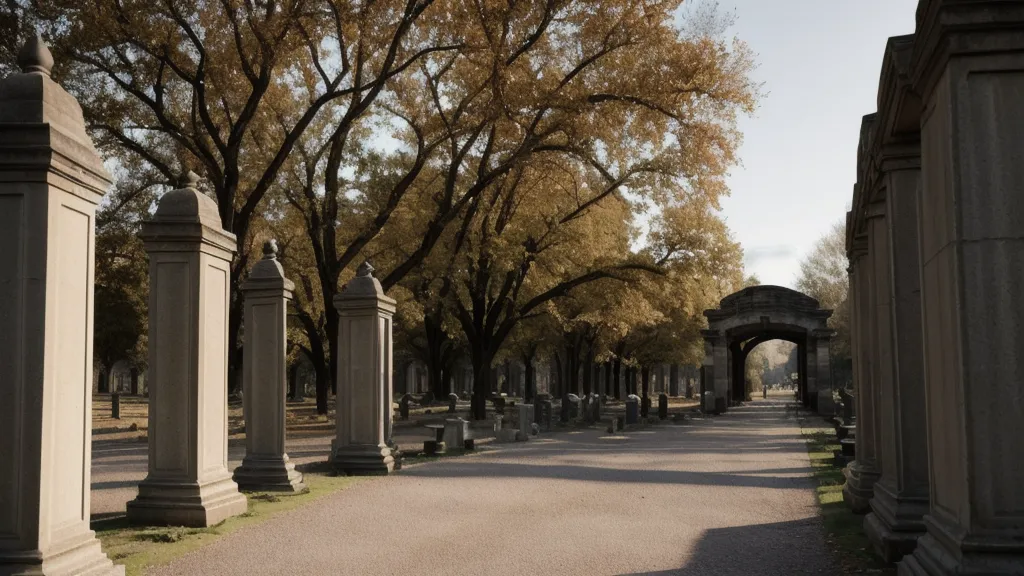
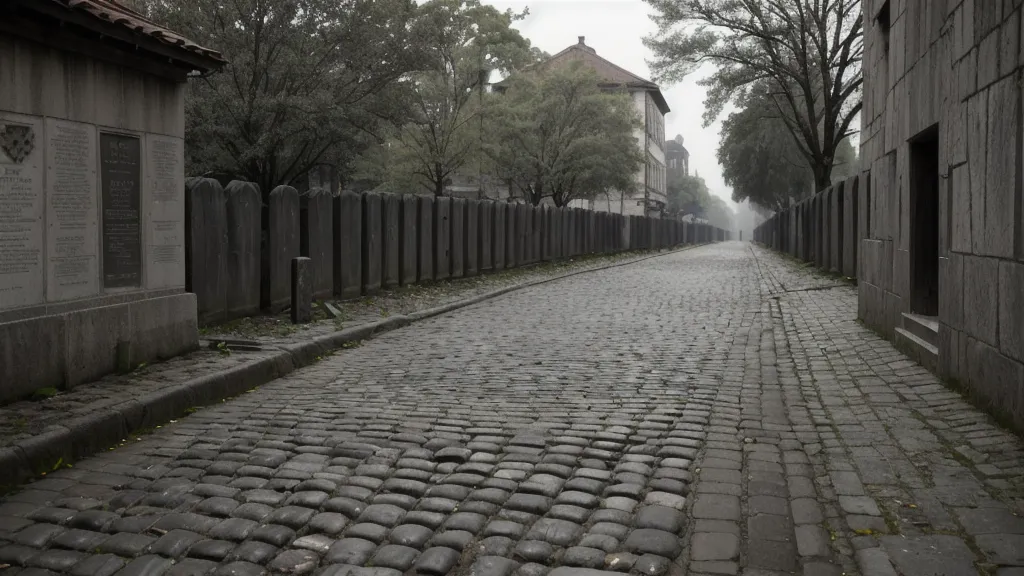
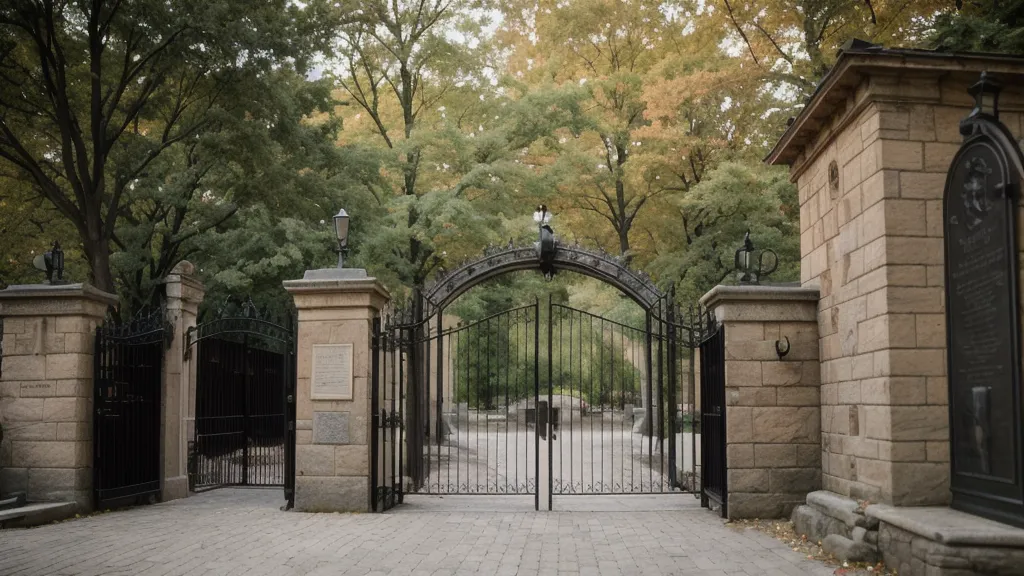
Walking through the gates, I felt the unique angle of being a pro in a space like this. You’re constantly fighting the urge to frame the perfect shot of the stark, grey geometry of the maintenance building. I found myself debating if it was even ethical to look for the 'golden hour' in a place of such tragedy. The tour actually helped here; by sticking to the group's pace, I was forced to put the camera down and listen. It prevented me from retreating behind the viewfinder as a defense mechanism against the history we were standing in.
The 5 hours I spent on the tour were less about the technical aspects of photography and more about the mental space required to process the site. If I had been there alone, I likely would have spent the whole time obsessing over the leading lines of the reconstructed barracks or the way the flat light hit the crematorium. Instead, the guide’s narrative provided a framework that no solo walk could replicate. It reminded me of my time shooting for a feature on Prague Castle—sometimes the history is too big for a single frame, and you need the story to fill the gaps.
Sensory Truths and the Sound of Silence
There are moments that a lens just can't capture. Standing near the reconstructed barracks, I was struck by the sound of heavy gravel crunching under the boots of thirty people in absolute silence. It was a rhythmic, grinding noise that felt incredibly heavy in the still air. That sensory detail stuck with me more than any photo I took that day. It was a reminder that some travel experiences are about the texture of the moment rather than the visual record.
Then there was the bunker area. As we entered, I felt a sudden, involuntary shiver that had nothing to do with the Bavarian wind. The temperature drop was real, but the physical reaction felt more like a gut-level response to the confined spaces and the stories of what happened within those walls. I’ve photographed assignments in 32 cities, from the vibrant streets of Southeast Asia to the historic centers of Europe, but rarely has a location elicited such a visceral bodily reaction. It made me realize that my wide-angle lens was useless here; the scale of the horror was internal, not external.
Even for someone who usually prefers the autonomy of a solo trip—like when I was scouting for better photos in Seville—the guided Dachau experience proved its worth. It wasn't just about the history; it was about the logistics. The guide knew exactly where to stand to avoid the largest crowds, which is a skill any photographer can appreciate, even if you aren't planning to publish the shots. They managed the flow of the group so we weren't just another tourist trap clogging the walkways.
The Value of the Mental Transfer
Returning to Munich in the late afternoon, I realized that the real value of the GetYourGuide tour wasn't just the transit ticket or the historical facts. It was the mental space it cleared. By the time we were back on the S-Bahn, I wasn't worried about which stop to get off at or whether I'd spent too much on a taxi. I was able to sit and actually reflect on what I’d seen. In the world of editorial photography, we call this the 'edit'—the part where you decide what the story actually is.
If you're heading to Munich and considering the trip out to Dachau, don't try to DIY the transit unless you’re fluent in the local system and have the mental energy to spare. The guided option is the 'prime lens' of tours—it does one thing exceptionally well, providing a clear, focused look at a difficult subject without the distortion of logistical stress. It’s a somber, necessary transfer in any Bavarian itinerary, and having someone else at the helm makes all the difference when the subject matter is this heavy.
For those looking to balance their trip with other historical sites, I'd suggest checking out the options on GetYourGuide before you land. Their mobile tickets are reliable even on the spotty WiFi you find in some of the older Munich hotels, and the free cancellation is a lifesaver if your shoot schedule shifts at the last minute. After a week of directing others, letting someone else lead the way was the best decision I made all winter.