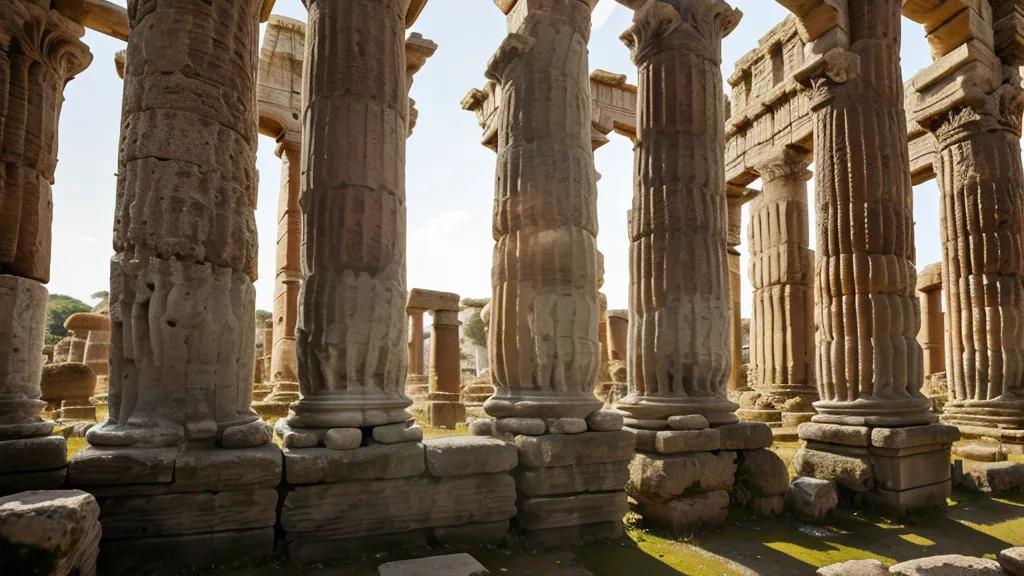
Almost every photo people bring home from Pompeii looks like it was shot through a bag of flour. Overhead glare flattens every stone on the Decumanus Maximus, tour groups wilt under oversized hats, and the chalky sky behind Vesuvius has none of the texture that made the ruins worth the trip in the first place. Something about the timing is off for nearly everyone doing this as a day trip from Rome, and it isn't the ruins' fault. Editorial assignments have kept me on the Rome-Naples line more than my usual subway commute back in Brooklyn this year, enough that I keep getting asked the same questions about it, so here's the actual breakdown: the Italy travel logistics, the photography-specific timing, and the day-trip planning math nobody at the ticket booth bothers to mention.
Getting from Rome to Pompeii: what the transfer actually feels like
The trip splits into two very different experiences. The Frecciarossa from Roma Termini to Napoli Centrale takes about seventy minutes, air-conditioned, quiet enough to clean a lens and check your focus points without getting jostled. Naples changes the mood fast. You drop down into the Circumvesuviana, the narrow-gauge line that actually reaches the ruins, and it runs like a beat-up city line at rush hour — packed, loud, plastered in graffiti.
Back in New York the closest comparison I've got is elbowing across the Williamsburg Bridge pedestrian walkway during evening rush, cyclists acting like the whole width belongs to them. Step off at Pompeii Scavi, though, and the noise cuts out fast, replaced by sun-baked dust and wild rosemary, a smell that stays on your clothes for the rest of the day.
The early train isn't always the smart move; the light improves later
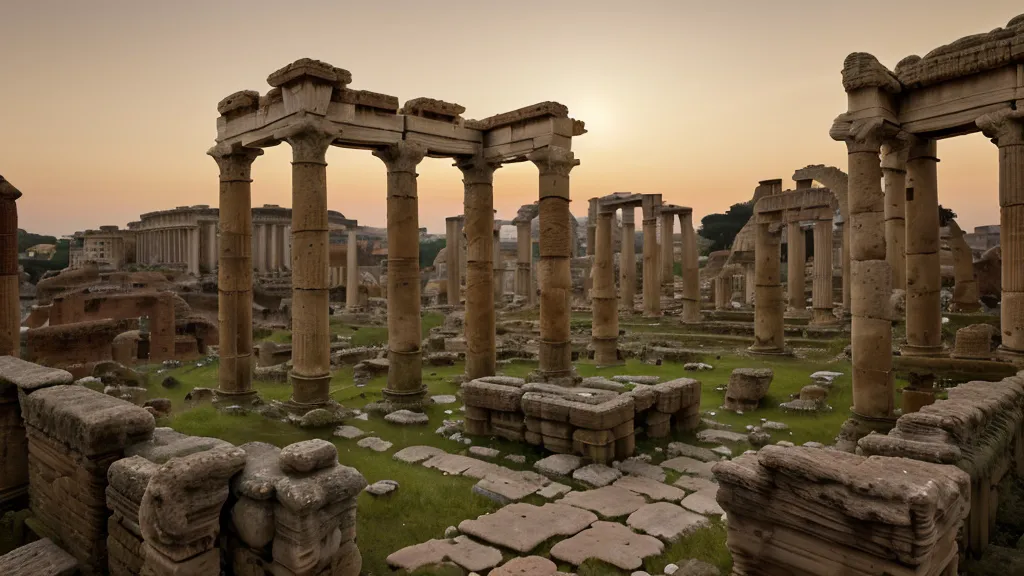
Common wisdom says beat the heat, get there at opening. I'd push back on that if photography actually matters to you. Most day-trippers from Rome land between 10 and 11 in the morning, flooding the forum and the plaster casts under a sun already too high to do the stone any favors. By mid-afternoon most of them are gone, heading back for a train or an early dinner in Naples. That's when the light starts raking sideways across the ruts worn into the paving stones, the kind of low angle that gives a wide shot of a street actual depth instead of a parking-lot flatness. Around 3:30 in the afternoon is usually where it turns, though that shifts a little with the season.
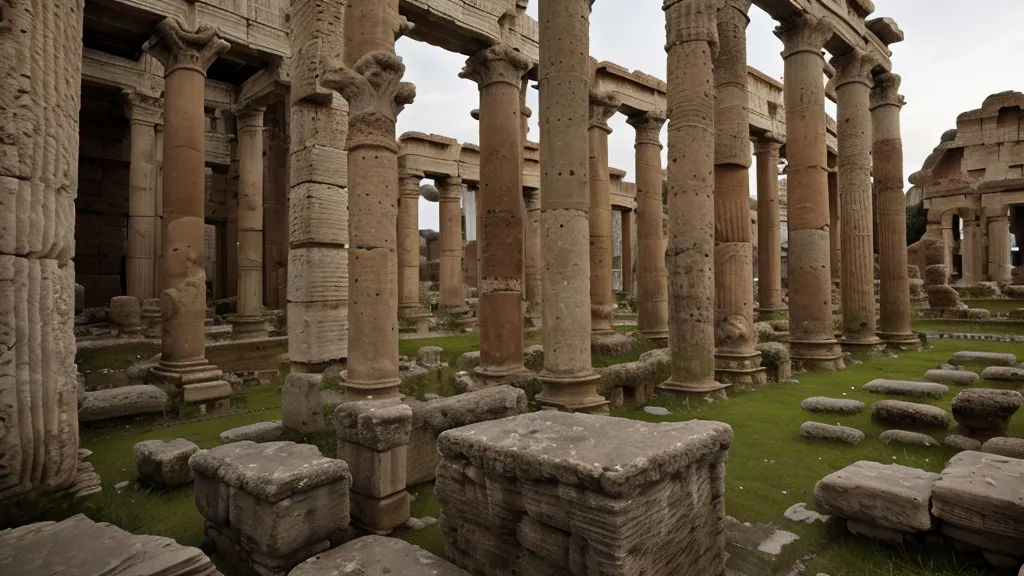
Arriving late also means skipping the fight for a clean angle on Mount Vesuvius in the background, since half the morning crowd is holding up a phone at exactly the spot you want to stand. Reading a site well is less about hunting for an empty corner and more about picking the right window, the same lesson I took from finally finding one quiet stretch inside the Musei Vaticani for Skip the Line Tickets for Photography at the Vatican: A 2026 Photographer's Survival Guide — it wasn't about dodging the queue so much as timing when I walked into it. Stay until the last hour before closing at Pompeii and the site changes completely, quieter, closer to the buried city it actually was than the open-air museum it becomes by lunchtime.
Pick three areas and skip the rest — that's how you survive 170 acres in a day
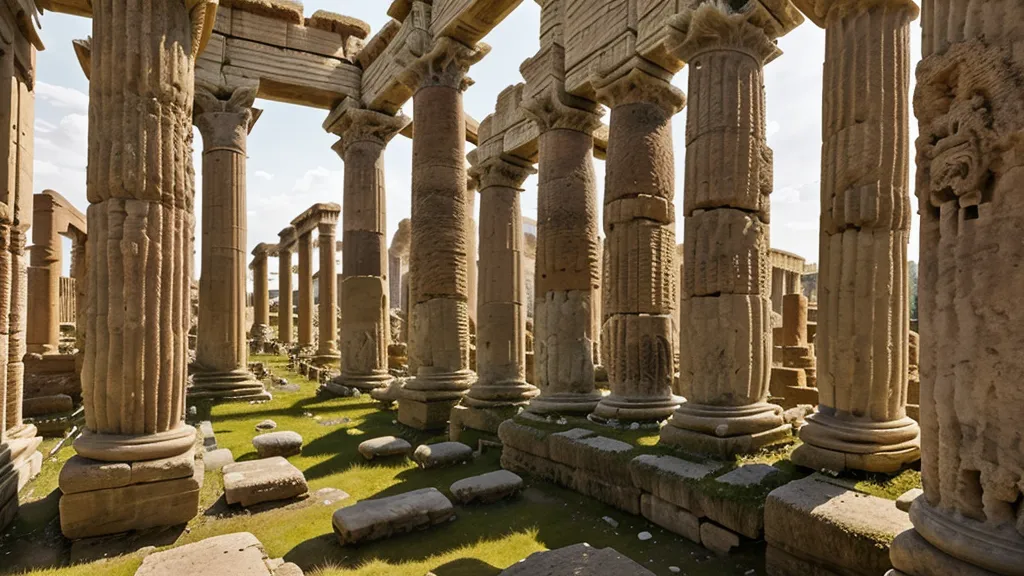
Nobody photographs all of Pompeii in one visit, not well anyway. Treat it the way I'd scout any location: pick three or four areas and let the rest go. The far edge of the site, out toward the Villa of the Mysteries, is where the frescoes hold their color best, deep reds and ochres that look wet under the afternoon light coming through the open courtyards. Getting out there means walking rounded, polished basalt blocks that twist an ankle if you're not watching your feet, nothing like the flat sidewalks back home. A reader named Leotis Chambers, who's worked through three of my itineraries at this point, emailed asking whether that terrain is rough enough to skip if someone has knee or hip trouble. Honestly, yes, it can be — there's no smooth alternate route out there, so factor that into how far you plan to walk before you've even landed in Naples.
That kind of distance changes what's worth carrying. It's the same trade-off I think about before any shoot with serious walking built in, including Neuschwanstein Castle Tours from Munich for Landscape Photographers, where the climb to the viewpoint ends up harder than the actual shoot. An extra lens sounds smart in the morning; by mile five it feels like you strapped a dumbbell into your jacket pocket.
What camera gear actually survives a Pompeii day trip?
My kit stays lean on days like this: one body, a 24-70mm for flexibility, a 35mm prime for the dim interiors of the villas. A tripod isn't worth arguing about even if you have the stamina for it — they aren't allowed without a permit, and you'll get flagged as an easy mark before you get one frame off. Water matters more than most people plan for. Public fountains are scattered through the site, easy to walk past if you're watching the horizon instead of the ground.
None of this requires a guided group, either. Every organized tour I've tagged along on here runs on someone else's clock — thirty seconds at a fresco that deserved thirty minutes — so for Pompeii specifically I've stopped booking one and just carry a paper map instead.
A city card rarely pays off on a single Pompeii day trip
Worth answering directly, since it comes up constantly: skip the multi-attraction card if Pompeii is the only stop that day. I bought one of those regional tourist cards on an assignment years back, convinced it would save time at every gate, and it expired before I'd made it to the third attraction on the list. The math only works if you're hitting enough paid sites inside the card's window, and one ruin an hour outside Rome usually isn't that. Buy the Pompeii ticket directly and skip the card math altogether.
Some of these passes make real sense in cities with a tight cluster of paid sights within walking distance of each other. This isn't that kind of day. Getting turned around by a confusing layout is its own separate problem — I still remember coming up from a Tokyo metro exit once, the map insisting one direction while every landmark in sight pointed the opposite way, and Pompeii's paper site map plays that same trick if you're not tracking which gate you came in through.
The bottom line for a one-day Pompeii shoot
Treating this like a professional assignment instead of a box to tick is really the whole strategy: prioritize light and space over checking off every stop on a map. Board the last decent train back toward Rome and watch the countryside blur past the window; the ache in your feet ends up feeling earned instead of wasted.
My colorist, Fumiko Odell, already had notes on the color balance in that Villa of the Mysteries set before I'd finished picking selects, which says something about how well that late light actually holds up once you're looking at it on a monitor instead of through a viewfinder. Skip the guided group, go late in the day, pack light, and buy only the ticket you know you'll use.