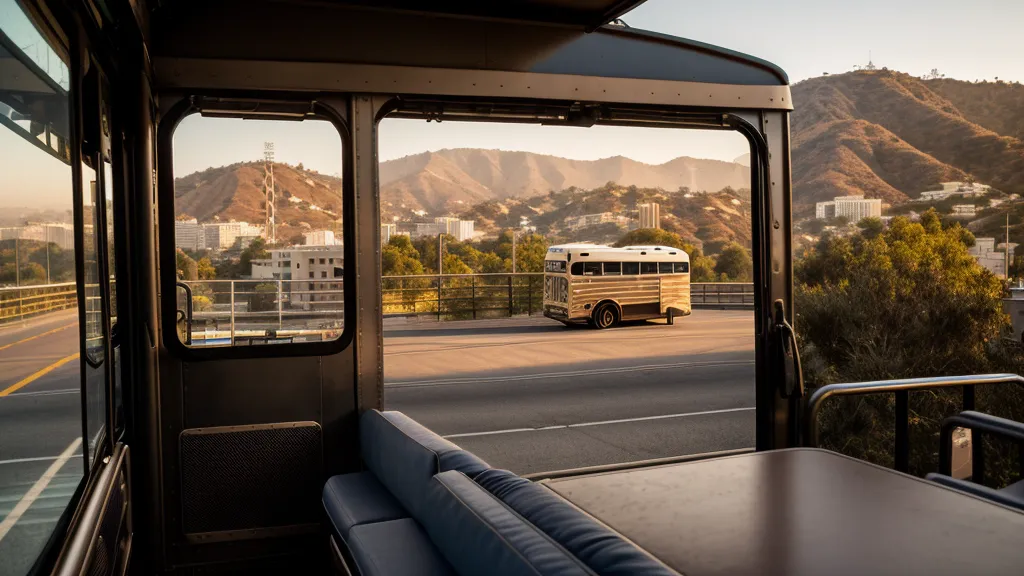
Both elbows braced against the top-deck rail, lens hood already kissing the safety bar, I watched the sign I'd come to shoot slide behind a two-story movie poster before I'd fired a single frame. Nine white letters clinging to the scrub brush up on Mount Lee, gone, just like that, swallowed by an ad for a movie I'll never see. This is the real test of whether a Big Bus route earns a spot on a working photographer's shortlist of Los Angeles tours: not the marketing copy, not the audio script, but whether the platform actually gives you a usable sightline on Hollywood's most photographed hillside. Three test rides on this exact route, spread across a mild spring morning, a hazy June one, and one scorching August weekend, and here's the honest sightseeing review, organized around the travel photography questions I get asked most about shooting the Hollywood Sign from a hop-on-hop-off deck.
A disclosure before any of that: some of the links below, including the one for Big Bus itself, are affiliate links, and I earn a small commission if you book through them at no added cost to you. Every ticket on every test ride was paid for on my own card. None of this was comped, and none of the answers below are softened because a brand happens to be attached to them. If you already know you want the elevated seat and just want to lock in a Big Bus Tours ticket here, go ahead, the sightline breakdowns will still be waiting when you get back.
Why Does the Top Deck Beat the Sidewalk for Shooting Mount Lee?
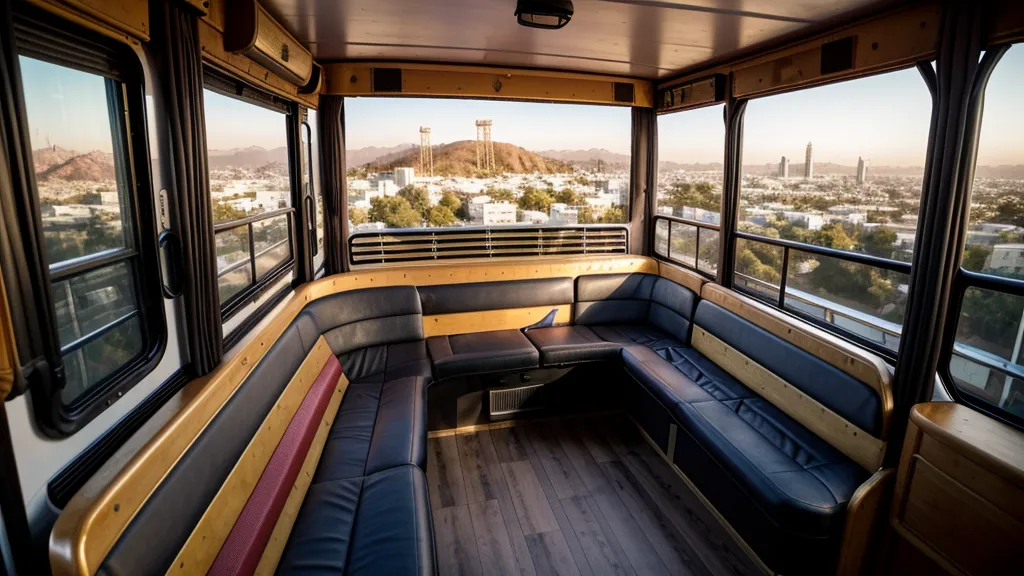
Height is the whole argument. Griffith Park puts the sign on the south-facing slope of Mount Lee, and the letters themselves run forty-five feet tall at an elevation around 1,570 feet, which means every shot from street level in Hollywood is an upward reach through several miles of haze. Direct access to the letters is blocked by perimeter barriers and watched by LAPD, and the buses themselves are legally barred from climbing narrow residential roads like Beachwood Canyon or the upper stretch of Mulholland. So the question isn't really whether to go up the hill. It's whether an open-top deck gets you high enough, from the flats, to clear the clutter a sidewalk can't.
Sitting up top does clear the roofline of parked SUVs and delivery vans along the boulevard, which matters more than it sounds like it should. What doesn't get mentioned enough is what the diesel engine does to your gear the second the bus stops at a light. Waiting at Hollywood and Vine, the vibration running up through the bench and into a monopod made anything slower than roughly 1/1000th of a second a gamble, not a technique. Bodies absorb that buzz. Cameras amplify it. Ninety minutes up there under full sun turns the bench into a skillet, and the wind buffeting the front element makes anything handheld a fight; my knees know that kind of discomfort too, the same low ache after a lap at the McCarren Park track back home, just a different flat surface underneath.
The Cross Streets Where the Sightline Actually Opens Up
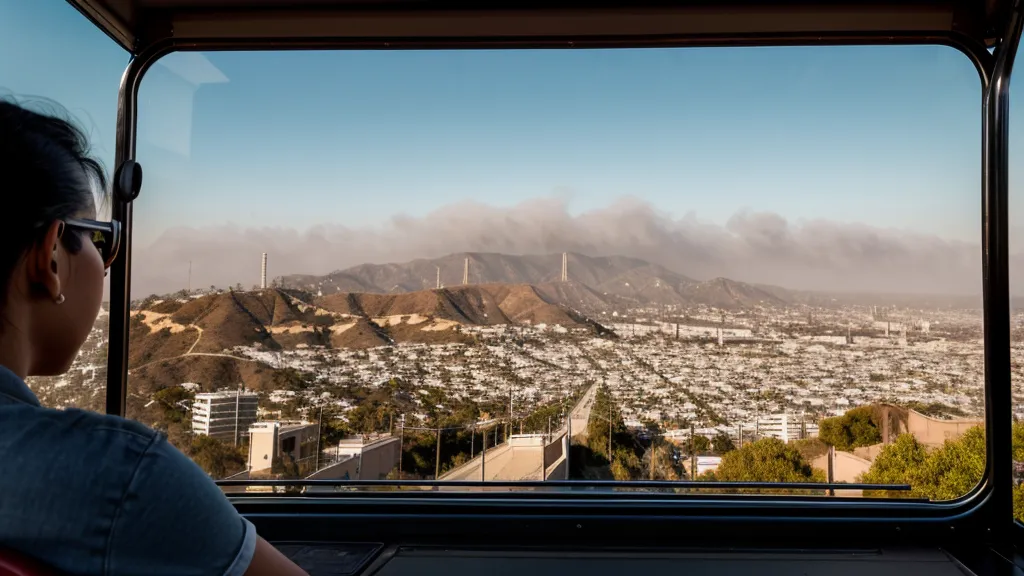
Mornings change the math. Catching the first departure out of the stop near the Ovation Hollywood complex, before the marine layer burns off into flat white midday light, buys a narrower but cleaner window. Right out of the gate, buildings and utility lines and roadside palms keep slicing the frame apart, and the sign drifts behind the boulevard's billboard skyline faster than most first-timers notice. Most of the phones around me were still pointed at an empty patch of chaparral a full block after the letters had vanished behind an ad for somebody's new movie.
The actual sightline shows up for about two seconds at a time, at the cross streets. Heading east, northbound gaps like Cahuenga Boulevard and Gower Street open a clean channel between the palms if your lens is already parked around 135 to 200mm with continuous autofocus doing the tracking. It's the same discipline I use isolating monuments from the upper deck on the Philadelphia hop-on hop-off bus, where trolley wire and street furniture fight you for every frame. Up top clears the obstruction; downstairs, tinted glass and window reflections kill contrast outright, so if the lens is long, you ride upstairs or you don't bother.
None of this is really a skip-the-line situation. A hop-on-hop-off route solves a framing problem, not an admission problem. I learned that distinction years back in St. Peter's Square, packed in so tight that nothing above shoulder height was visible in any direction, not a sliver of dome. That's a queue-strategy problem, the kind a dedicated line-skipping guide actually solves for a single ticketed landmark. Griffith Park doesn't have a line to skip. It has a sightline to find, and the bus is one way to go looking.
Heat Shimmer Ruins More Frames Than Bad Light Does
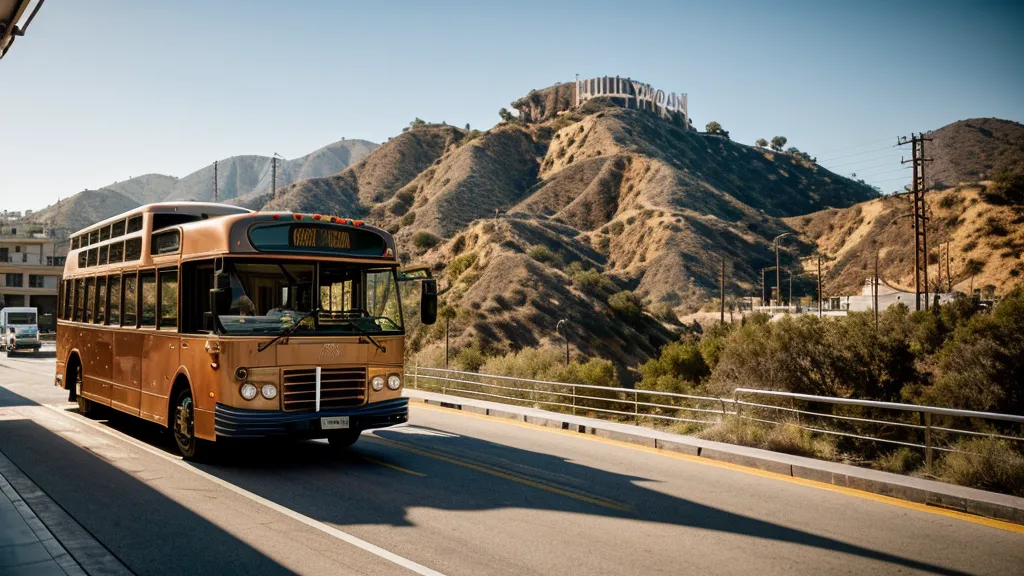
Heat did more damage than any cloud ever has. On an early August run, with the temperature sitting in the high eighties by early afternoon, the boulevard's asphalt had baked itself into a radiator, and the bus roof started throwing its own shimmer, a visible ripple bending the skyline behind it until the whole hillside looked more like a mirage than a landmark. At 200mm, that rising air turns forty-five feet of hillside lettering into something closer to jelly than signage, and no amount of stabilization fixes air, only concrete does.
I sent the contact sheet to Fumiko Odell, who finishes color on most of my editorial sets, and she didn't wait for me to ask. She just said the long-lens frames were a loss, flatly, the way she tends to be right about a batch before I've finished defending it. The fix going forward wasn't a better lens. It was treating the bus as a scout, not a tripod: ride the Red Route to find the cross-street gaps, then get off near Hollywood and Vine or the Dolby Theatre early, walk a block off the boulevard, and shoot from stable concrete before the ground starts cooking.
Timing light against crowd is its own small science, the kind of entry-timing question that matters more at ticketed sites with a single gate, but it still applies here in a looser way: earlier beats later, always, on this hillside. And carrying a 70-200mm plus a monopod through Griffith Park's ridge trails on foot is a wildly different gear-load problem than parking that same kit on a bus bench for two hours. The elevation trick itself isn't unique to this city, either, it just happens that Hollywood's rooflines and billboards eat more of that elevation than most.
Should You Book Big Bus, a Walking Tour, or Just Ride the Metro?
Underground doesn't help here. The Metro B Line, the old Red Line, runs right beneath Hollywood Boulevard and gets you to the neighborhood fast, but it hands you zero elevation and none of the visual logic connecting the hills to the basin below, so treating this like a local-transit substitute for the bus mostly just saves money, not sightlines.
Pass math comes up constantly, and it's the same break-even question I run every time I'm evaluating a pass for an assignment, the kind I walked through in more detail in my Toronto CityPASS review: how many paid admissions a pass needs to cover before it's actually cheaper than buying each ticket alone. For a trip built around one free outdoor landmark, that math rarely clears, since Griffith Park's overlooks aren't gated behind any pass tier to begin with.
For booking the actual seat, I go direct, though I keep an eye on other platforms when I'm stacking a multi-city shoot. GetYourGuide is worth checking too, mostly for the generous 24-hour cancellation window, which matters if the coastal fog rolls in and wrecks your morning plan. If a week-long trip is stacking theme parks and fixed observation decks on top of this one, the CityPASS bundle can pencil out for the rest of the itinerary even if it doesn't for the sign itself. Trip.com is a reasonable backup if you're also bundling regional transport, though exact rates shift by season on every one of these platforms, so check the live number rather than trusting anything printed here. Economically, a hop-on-hop-off pass earns its price on itinerary control more than on any single ticket saved, since you're not waiting on eleven strangers in a scheduled group to finish photographing the same corner before a walking tour guide moves everyone along. Whether that control is worth paying for instead of just self-guiding the whole day is really a guided-versus-self-guided question with no universal answer, only a budget and a patience level.
The Paper Guidebook That Wasted My First Morning
My first attempt at this exact route didn't involve the bus at all. It involved a paper guidebook with a fold-out neighborhood map and no sense of how long anything would actually take, no queue estimate, no crowd notes, just a static star rating next to each stop. Most of that morning went to walking in the wrong direction off Hollywood Boulevard, since the map's scale was useless at street level, and by the time the route corrected itself the light had gone flat and harsh. A printed guide can tell you a landmark exists. It cannot tell you the line will wrap past the souvenir stand by nine, or that the good light already closed. That gap is what sent me toward testing buses and apps instead.
A Reader's Accessibility Question That Changed My Seat Choice
Not every useful detail comes from my own riding. A reader named Leotis Chambers, a retired high school teacher from Atlanta who has now worked through three separate itineraries from this site, wrote in asking about the boarding ramp near the Ovation Hollywood stop, specifically whether the signage made it clear which side loaded wheelchairs and which side was just a queue lane. It hadn't occurred to me to check, since a photographer juggling a monopod doesn't think about ramps by default. He does, every time, and he's usually the one who catches something the rest of us scroll past. After his email I started paying attention to boarding flow at every stop, not just sightlines once seated, and it changed which side of the bus I pick before we've even pulled away.
Is a City Pass Worth Adding for a Hollywood Sign Trip?
Short answer: not for the sign alone. A pass earns its cost across a cluster of paid, gated attractions where skip-the-line entry saves real time, and the Hollywood Sign isn't one of those, since the viewing is free from the flats and the summit itself is off-limits regardless of what you're holding. Pass coverage tiers vary enough by city that it's worth checking what's actually bundled before assuming yours clears the math, but on this specific route, the bus ticket is doing all the necessary work on its own.
The Verdict: Who Should Actually Book This Route
Bottom line, if the goal is street-level establishing shots of the sign plus a fast read on the city's layout without driving yourself, Big Bus Tours earns its seat for one morning run. The elevated deck clears immediate clutter, the narration genuinely calls out street corners worth knowing, and the earliest circuit dodges both crowds and heat shimmer if you take the upper deck on the right side heading east and hop off at the cross streets for the sharpest glass work.
I haven't run this particular route after dark, that's a different exposure problem I tackled instead on the Las Vegas night route, and whether a hotel balcony could substitute for all of this is its own rabbit hole with no good Hollywood answer, since nothing in the flats gets you this angle from a room.
Tight, frame-filling portraits of the letters with zero urban foreground are a different job entirely, and the bus will frustrate anyone chasing that shot. That calls for a dedicated walking tour into Griffith Park via GetYourGuide, up the ridge trails no double-decker is ever legally driving. Pick the tool for the shot you actually want, not the one with the better marketing photos.
Big Bus Tours
Pros
- + Elevated upper deck clears delivery vans and street clutter for cleaner framing
- + Route positions you near key northbound avenues with direct sign sightlines
- + Eliminates the nightmare of parking and navigating Hollywood traffic on your own
- + Solid audio cues alert you to upcoming architectural and historical landmarks
Cons
- ○ Diesel engine idle sends heavy vibrations through upper-deck benches
- ○ Midday asphalt heat shimmer ruins telephoto sharpness from the moving vehicle