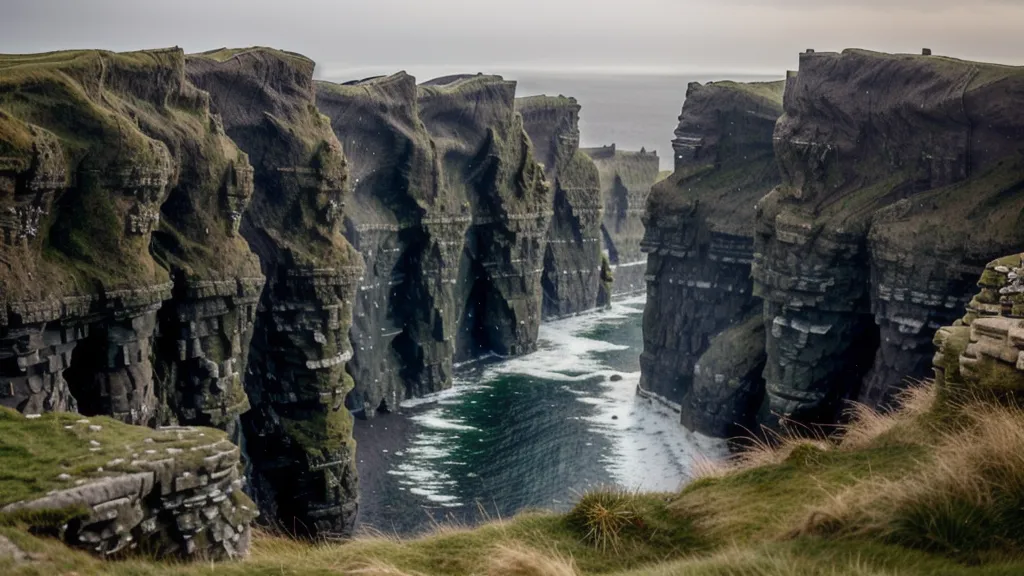
Two hundred sixty kilometers sit between a Dublin hotel bed and the cliff edge at the Cliffs of Moher, and I've now covered that stretch twice — once gripping a rental-car wheel through roundabouts I was never built for, once slumped in the back row of a day coach with a camera bag wedged between my boots. This is the travel-photography math I keep running on every Ireland day trip: who drives, who shoots, and who still has legs left for the light at the end of it.
A short note on how I tested this: both trips were paid for out of my own pocket, booked the way any reader would book them, camera gear and all. A commission landing in my account when someone books through a link here doesn't change which operator I'll tell you to skip.
Rental Car or Day Coach: Two Ways to Run an Ireland Day Trip
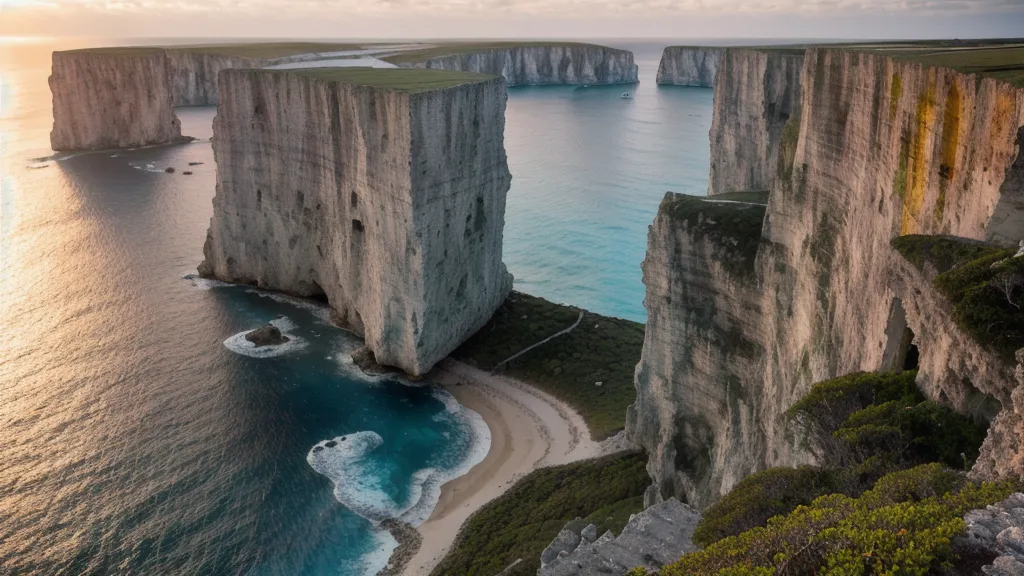
Driving yourself out to County Clare means roundabouts on the wrong side of the road before coffee, single-track lanes squeezing past tour coaches with inches to spare, and a running tally of parking spots instead of cloud movement. None of that leaves much bandwidth for watching an Atlantic weather front roll in. By the time you reach the coast under your own steering, your shoulders are somewhere up near your ears, and you haven't metered a single frame yet.
Letting a coach operator handle the 260 kilometers flips that equation — it's the same logic as choosing a guided outing over a self-guided wander through a city you don't know yet, just stretched across a whole country instead of a few blocks. On one grey, fogged-in morning, I had three hours in the back row to clean sensors, scout compositions on a satellite map, and actually rest my eyes instead of squinting at delivery trucks on wet asphalt. When you're in Dublin before the pickup, there's room to scout indoor work too, the way I'd spent an hour the day before doing interior photography at the Guinness Storehouse. Crossing the island itself is a different problem, and the coach solved it by turning the boring miles into downtime.
Which Tour Actually Protects Your Light?
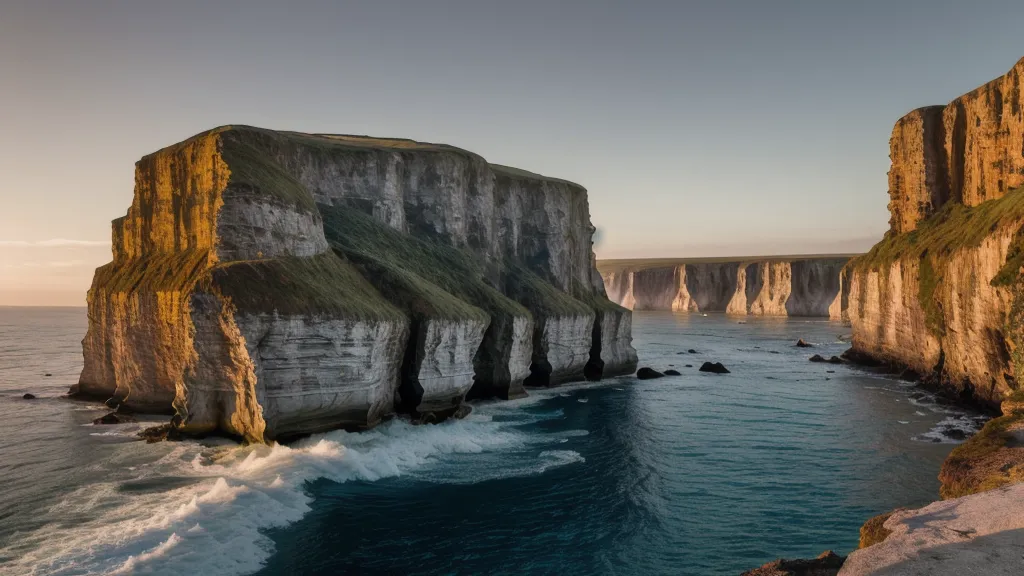
Not every operator running this route is built with photographers in mind. Plenty pad the schedule with half-hour stops at roadside craft outlets or a chocolate shop nobody asked to see, and every twenty minutes spent in a highway parking lot is a window of shifting coastal light you don't get back. I'd tried solving this ahead of time with an offline city app that was supposed to flag queue times and route delays, and it crashed every single time I tapped the map, so by the pickup I was back to guessing. What actually worked was booking directly through GetYourGuide and filtering for operators that promised at least two solid hours on the cliff path rather than a string of twenty-minute photo stops, then leaning on the free twenty-four-hour cancellation window when an early-June Atlantic low parked three days of drizzle over Clare.
Even with a decent operator, you still have to move the second the coach doors open. My one real miscalculation was assuming a direct route meant a direct queue — by a little past nine that morning, the line for the visitor center was already curling past the souvenir kiosk, a good forty minutes out, the kind of wait I'll stand in on a Saturday at the Grand Army Plaza Greenmarket back home but resent the second I'm burning shifting cloud cover instead. The fix is the same one that works outside the Vatican or any other site with a ticket bottleneck: skip the queue for the thing everyone else is standing in line for. Flash the digital pass at the barrier, skip the underground exhibit, and go straight up toward the bluffs.
Landscape Scouting at the Edge: Wide-Angle Walls or Telephoto Compression
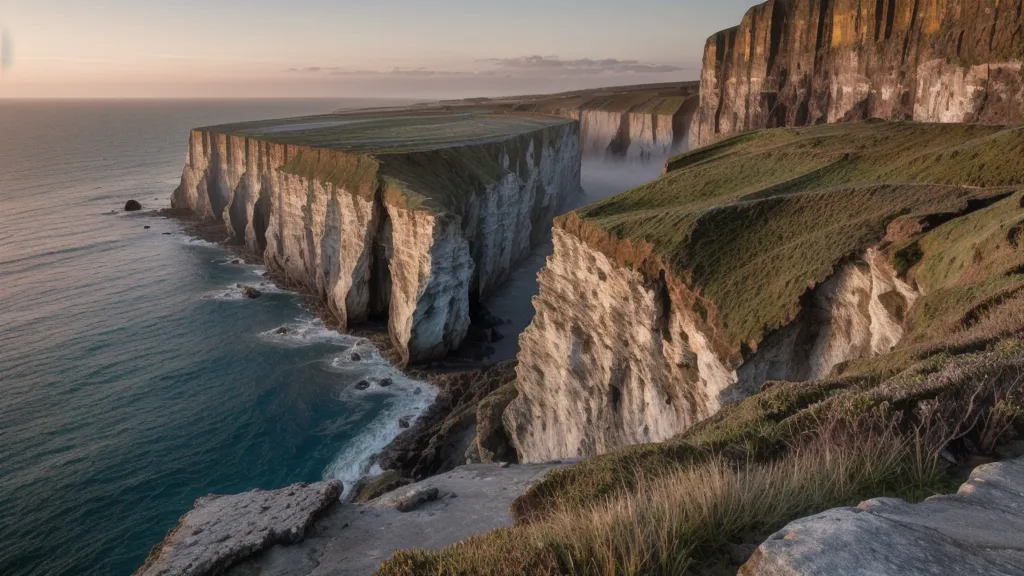
The cliffs run about 14 kilometers of coastline and top out near 214 meters by O'Brien's Tower, part of the broader Cliffs of Moher site, and a 16-35mm wide-angle tends to flatten all that drop into a flat gray wall unless you anchor the frame on something with obvious scale — a tower, a figure on the path, the white churn of surf against the shale. A 70-200mm or an 85mm prime does the opposite job: it compresses the stacks and the tower into a tighter, denser frame, and it happens to be the lens that works from the paved perimeter path instead of the unpaved scramble toward Hag's Head.
That matters more than gear snobbery suggests once you're traveling with someone who can't manage stiles or loose scree. The paved loop near the visitor hub is wide, flat, and lined with waist-high stone barriers that a lot of landscape purists complain about, and a longer lens solves the complaint by shooting right over them — raise the angle enough to drop the walking path out of the bottom third of the frame and the Atlantic just falls away under the horizon line. I sent a few of the compressed frames to Priyanka Suri, a photo editor friend who never shows up to a shoot without a second body and a bag of primes, and she picked the telephoto set over the wide shots without hesitating, the same bias I'd bet she'd carry into wine tours out of Florence, where a smaller group means you pick your own pace instead of a bus schedule picking it for you.
Out on the exposed rim none of that matters if your gear can't take the weather. Cold Atlantic spray kept misting the front element, the wind had my fingers stiff while I threaded a filter onto cold metal threads, and I was wiping glass about every ninety seconds trying to hold detail in both the shadowed cliff base and the blown-out sky.
Choosing Between the Paved Rim and the Hag's Head Scramble
A reader named Nikoleta Baran, who cares more about tight architectural framing than a big panoramic hero shot, once asked whether the paved section even allows for anything beyond the obvious wide view. It does, with the right lens, and that's really the whole decision: take the paved rim when you're short on time, traveling with anyone who can't handle stiles, or running on a coach schedule that won't wait. Save the unpaved walk toward Hag's Head for a day when you've got a full block of unclaimed time, solid footwear, and nobody else's itinerary to answer to.
On a clear afternoon in late July, the sun dropped under the cloud deck right around our scheduled pickup, and while the rest of the group drifted toward the café for tea, I ran the length of the paved southern trail instead. Low light cut straight through the spray and lit the layered sandstone orange, and the surf 214 meters down went the kind of green you don't plan for. Six hours of resting on the coach instead of driving is the only reason I had the legs left to make that sprint count.
Back at the edit desk in the Gowanus loft a few days later, culling that set against the rental-car frames from an earlier trip, the math wasn't close — fewer usable frames from the driving day, more from the day I let someone else handle the wheel. If you're weighing the same trip, check current schedules and operator reviews on GetYourGuide, look for the one that guarantees real time at the edge instead of the gift shop, and let the coach take the 260 kilometers so you can spend all of it on the light.