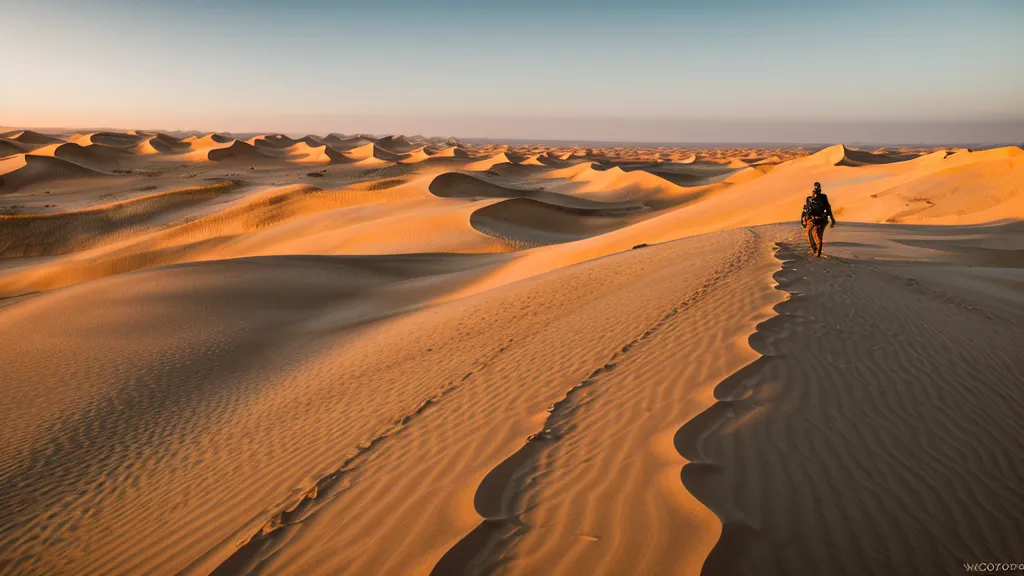
Why do two bookings labeled almost identically, both called a "desert safari," both leaving Dubai an hour before sunset, come back with completely different photographs? One set shows a clean dune ridge with ink-black shadow lines and not a footprint in sight. The other is a tangle of tire ruts, selfie sticks, and a sky gone the color of chewed gum. I've shot both versions of this exact booking enough times to know the gap isn't luck, and it isn't really about the operator's logo either.
Quick disclosure before the sand gets everywhere: I test these excursions on my own card, and if you book a tour through a link on this page, I earn a small commission at no extra cost to you. That doesn't change which operators get flagged as clean here and which ones get flagged as a write-off.
The Myth: Any "Desert Safari" Booking Gets You the Same Dunes
Here's the misconception that wrecks more travel-photography itineraries than bad weather ever does — that a desert safari is a desert safari, and the only real variable is price. It isn't. The booking you pick decides whether you're standing on a dune forty other Land Cruisers crossed twenty minutes earlier, or on sand that hasn't been touched since the last wind smoothed it over. Two tours can leave the same Dubai hotel lobby at the same hour and put you in two completely different deserts.
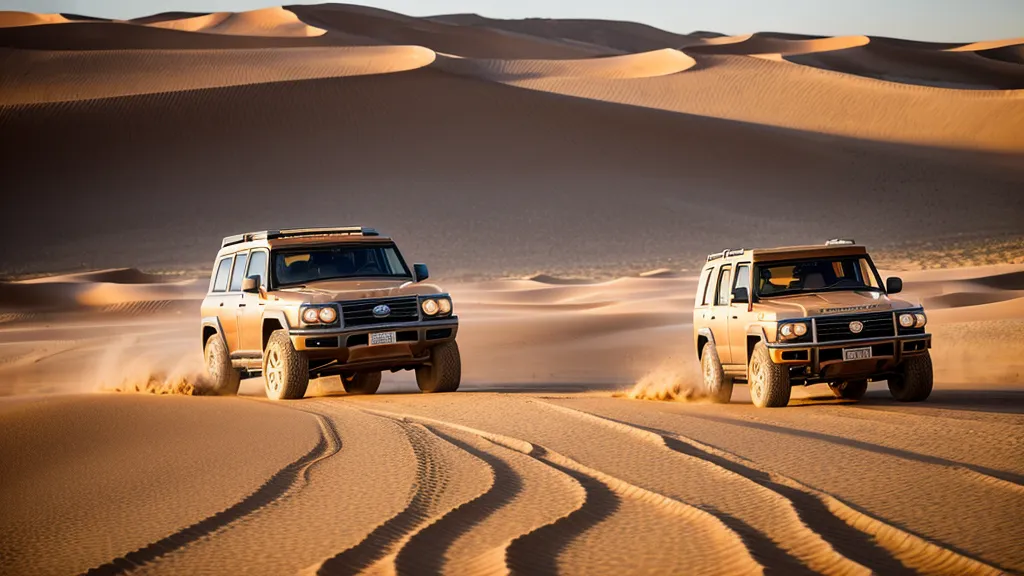
Out past the last suburban edge near Al Awir, the mechanics of a standard commercial safari make the problem obvious fast. Most operators run convoys of white Land Cruisers built for adrenaline, not light angles. They idle in packs along the highway shoulder while drivers drop tire pressure to somewhere around 15 to 18 psi so the rubber bags out over the soft sand, then gun it toward the dunes in tight formation.
What Actually Happens When Forty Land Cruisers Hit One Dune Crest
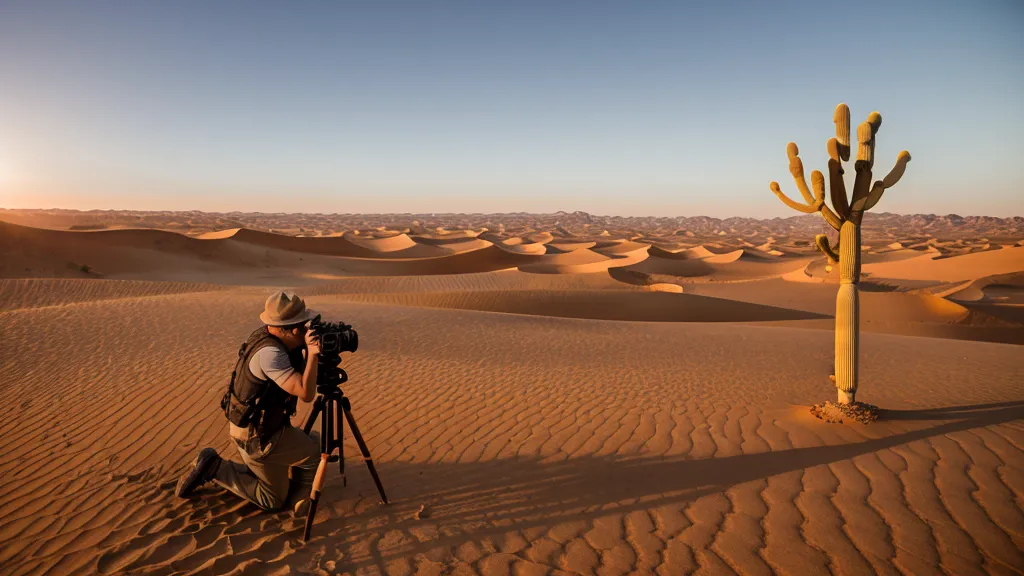
On one of my earlier scouting runs, I'd lined up a razor-edged dune blade sweeping northwest, angled to catch side light as the sun dropped. I had maybe ninety seconds between leveling the tripod and losing it. A convoy churned straight across that ridge, and the wind-carved texture I needed for print was gone before I'd taken a frame. Ten minutes later the same group parked at a designated photo pit, and fifty passengers spilled onto the one clean dune crest right as the light went soft. People posing in rental shawls, sandboarders dragging plastic boards down the only unbroken slip face, exhaust drifting through the low dips. At Dubai's latitude, golden hour folds into nautical twilight fast, so you're working with a window under thirty minutes total. Burning twenty of those minutes dodging parked 4x4s and neon sneakers is the same math as losing a shoot to midday crowds on an Alcázar of Seville tour — the ticket gets you in, but the light you needed is already gone by the time you're through the door.
Filtering Bookings by Permit, Not Promotional Photos
The fix isn't booking earlier or paying more. It's reading the listing like a subway map instead of a brochure. Check the route before you board, not after the doors close. Landscape work needs small groups, earlier departures, and access to land where dune-bashing is flatly against the rules.
I did most of my screening on GetYourGuide, mainly because it lets you filter by group size and operator type, and the reviews tend to mention outright whether a tour goes off-road into a crowded public sand pit or into a regulated reserve. The listings split cleanly too: quad bikes, buggies, and belly-dancing dinner tents point straight toward the high-traffic corridor near the Sharjah border, while morning wildlife drives, vintage Land Rover routes, and dedicated photography safaris run under licensed concessionaires. Read the supplier line before you read the star rating.
It also means a free cancellation window if a shamal rolls in and flattens the horizon the night before, and in the desert that's not a nice-to-have, it's the only thing standing between a usable shoot and a wasted afternoon staring at a hotel window gone the color of dust.
Why the Conservation Reserve Changes the Math
The real shift in this project happened once I booked a heritage safari through GetYourGuide that held permits for the Dubai Desert Conservation Reserve, a government-protected stretch of desert where development and dune-bashing simply aren't allowed. That regulatory line is the whole difference for a photographer. It's the gap between a dune nobody's driven across yet and one that's already been carved into a skate park.
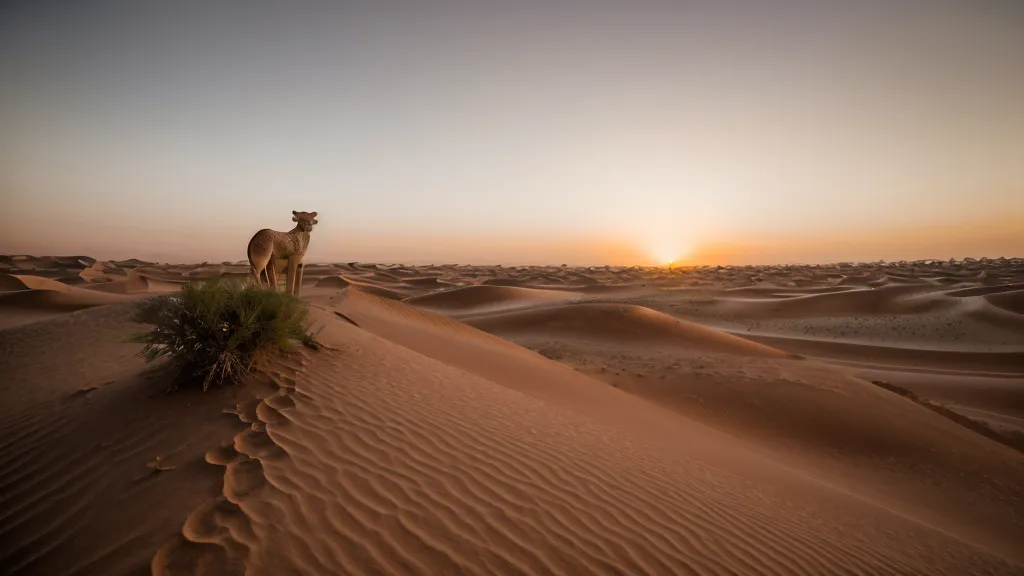
Instead of a dozen SUVs roaring across the crest, we rolled out in an open-top vintage Land Rover at a crawl, and the guide cut the engine half a mile out from an untouched dune field. No quad-bike sheds, no rope lines, not one tire track across the wind-rippled sand. Walking toward the ridge, the quiet was the kind I'd otherwise only find in an empty museum atrium right after the last visitor clears out, just my own shutter clicking off into the stillness. A small herd of oryx grazed near a stand of ghaf trees in the middle distance, giving the scene scale without looking staged.
That kind of open ground rewards a specific focal-length choice. Wide glass flattens dune fields and shrinks distant ridges into bumps, while pulling a 70-200mm in tight stacks the translucent sand curves against each other like layered silk. The tradeoff is grit. Fine red dust grinds audibly against a zoom ring, a good reminder to keep lens swaps to a minimum out there. I kept the telephoto on my main body and ran a 35mm prime on a second strap under my jacket for wider context, so nothing was opening to the wind more than once.
Morning Light Beats Evening Haze — But Only If the Gate Actually Opens On Time
I also ran an afternoon private drive to see whether sunset could ever match a morning session in the reserve, and the answer turned out to be physics, not opinion. By mid-afternoon, hours of sun baking the sand kick up thermal currents and fine suspended dust, washing out sky contrast until distant dunes go flat and pale. The light gets softer, sure, but every shadow edge blurs along with it.
Mornings are better for texture, every ripple throws a hard, ink-black crescent down the windward slope, but "book the earliest slot" is its own trap. I pre-booked what the listing called a first-departure morning tour, assuming it would land us at the reserve right at sunrise. The pickup van showed up on time. The reserve gate didn't open for almost two more hours, by which point the light I'd set a 4:30 AM alarm for was already blown out into flat midday glare. It's the same feeling as watching the doors close on the Ikea ferry at the Red Hook dock and knowing the next one isn't for an hour, except out there that missed hour is also the only usable light you get all day. The lesson isn't book earlier. It's confirm the actual gate time with the operator, not the marketing copy, before setting an alarm for it.
Booking through an aggregator rather than a street kiosk or hotel concierge desk keeps a paper trail and gives you an instant confirmation on your phone, which matters more in the desert than it sounds, there's no walking back to a hotel lobby to argue about a reservation once you're forty minutes out past Al Awir. When I'm judging light windows anywhere else, a Bosphorus golden hour cruise in Istanbul gets the same scrutiny, and so do small group Tuscany tours, where a smaller roster buys you the kind of itinerary control a twelve-person coach never will.
It's the same kind of math everywhere. Whether a city pass breaks even depends on how many stops you hit before the clock runs out, same as whether a dune permit is worth the extra booking step. Queue strategy at a packed site works the same whether it's a desert checkpoint or a crowded museum line, and a hop-on-hop-off route only beats the metro on one specific stretch of one specific city. How much gear you can actually carry on a tour matters as much as the tour itself, and a day-trip transfer that eats three hours each way changes whether a destination is worth booking at all. None of that changes what matters in Dubai: the safari that gets you clean sand isn't the cheapest one or the earliest one on the page. It's the one with a permit, a small roster, and a gate time the operator will confirm in writing before you set an alarm for it.