A Skip-the-Line Ticket Fixes One Problem, Not Two
A skip-the-line ticket and a backstage pass are not the same purchase, though half the people booking Guinness Storehouse tickets in Dublin shop for them like they are. One gets you through the turnstile without standing in a queue. The other would get you permission to point a camera wherever you want, for as long as you want. Only the first one is actually for sale at St. James's Gate. Confusing the two is the most common photography mistake I see walking the seven floors of this building, camera in hand, watching someone else's selfie stick win the shot I wanted. A confirmation through GetYourGuide or any other timed-entry platform solves the waiting-in-line problem. It says nothing about where you're allowed to shoot, what gear you can carry past the scanner, or how much elbow room you'll actually get once you're inside — and that gap is exactly where most interior photos from this place end up looking like someone's shoulder.
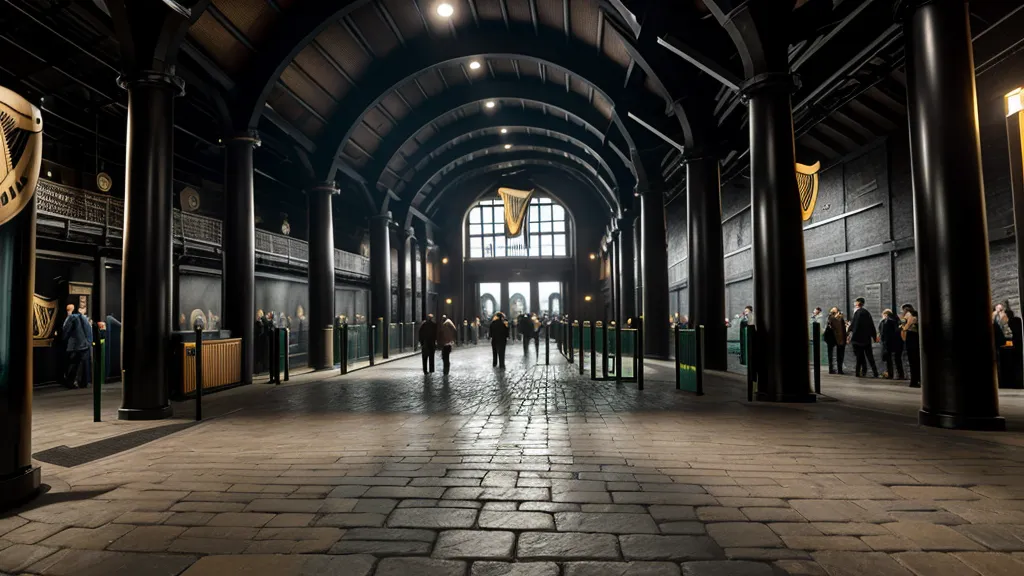
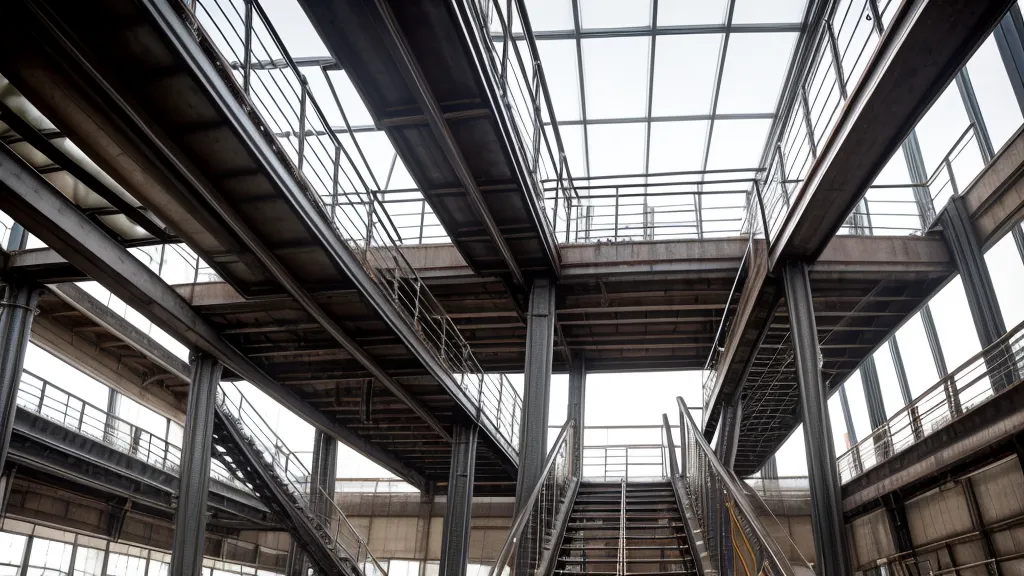
The building itself is the reason to care about timing at all. Architecturally it reads closer to the Chicago School of Architecture than to anything else on Dublin's skyline, a steel-framed industrial shaft wrapped in glass and built to be seen from the inside out. Pale Irish light does strange, good things to that kind of structure. Neon beanies and a hundred phone screens do the opposite, and no ticket, however it's booked, removes them from your frame.
Booking Through GetYourGuide vs. Everything Else
Booking online solves exactly one problem: it locks a specific entry window before the day fills up. GetYourGuide's mobile ticket scans on the first try at the gate, which matters more than it sounds like it should when you're trying to catch a specific slice of morning light before cloud cover rolls in. Whether you book a guided slot or just grab the earliest open self-guided window barely matters here — the Storehouse walks itself regardless, so what you're really buying is a timestamp, not a tour guide. It's the same sleight of hand sold at every major ticketed site, from the Vatican's skip-the-line queues to this one — you're not skipping a line, you're just handed a shorter one with your name already on it.
Other platforms promise the same convenience and don't always deliver it for this specific building. Trip.com is the stronger pick once you're shooting assignments in Southeast Asia, but its Dublin inventory doesn't sync time slots the same way. A CityPASS has done real work for me on waterfront shoots in American cities, and it still only pays off once you clear three or four attractions on the same trip — for a single Dublin building, that math never gets the chance to run. I've also chased a Tripadvisor top-ten list to a restaurant that had closed the year before, which is the same lesson wearing a different hat: crowd-sourced advice lags the ground truth, and so does assuming last year's ticket rules still apply this year.
Why the 9,000-Year Lease Still Shapes the Building
The sheer audacity of signing a 9,000-year lease back in 1759 belongs to Arthur Guinness, and that kind of permanence still shows in the bones of the building. The central atrium is shaped like a giant pint glass and would hold a notional 14.3 million pints if anyone ever filled it, which makes it almost impossible to read with a standard lens — you need something wide enough to show the full seven-story drop, not just a slice of it. A building this size rewards the same approach as any oversized single-site attraction: pick two floors and shoot them properly instead of trying to cover all seven on one pass.
Climbing Seven Floors With a Camera Bag
Stairs are the better call over the elevators here, even once a 24-70mm lens turns into a shoulder ache by the fourth flight. Elevators skip the candid moments and the architectural transitions between floors, the same way an express train skips the stops where the interesting stuff actually happens. Hauling glass up seven flights instead of riding up is its own argument for packing lighter on a tour day, a trade-off worth relearning on every assignment that involves stairs instead of escalators.
A Big Bus Tours loop is a fine way to get your bearings on a first trip to Dublin, and the ticket pays for itself in convenience long before it pays for itself in photographs, which is a different kind of math than the one you're running for a single building. Treat the Storehouse as its own destination rather than a stop squeezed between two others on a hop-on-hop-off route. It wants a dedicated morning or a dedicated afternoon, not a slot wedged in while you're watching the clock for the next bus.
Interior Photography Rules Nobody Reads Until a Guard Explains Them
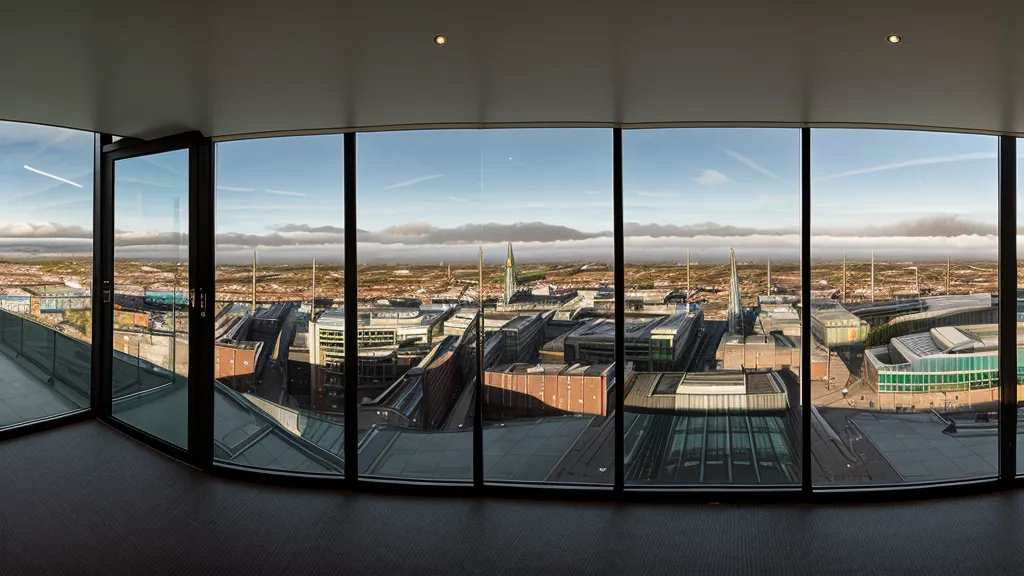
Paying for entry and getting permission to shoot however you want are two different things, and nowhere does that gap show up faster than the Gravity Bar at the top. It delivers a full 360-degree view of Dublin, from the Wicklow Mountains to the Irish Sea, which makes it the obvious place to want a tripod and a long exposure. Try setting one up during peak hours and a security guard will find you before the second leg locks into place — the no-tripod policy applies whether or not you paid extra for priority entry, and nobody mentions it on the ticket page.
A standard Irish pint holds exactly 568 ml, and the Gravity Bar at capacity is mostly people holding one while hunting for a spot to take a selfie, not a stable platform for a handheld shot either. Bracing against the glass and pushing the ISO up is the realistic option once the tripod idea is dead. The floor near the fermentation vats on the lower levels picks up a low thrum from the crowd that reminds me of the vibration you feel through the bench seat of a hop-on-hop-off bus at road speed — present the entire time, invisible until you're trying to hold a shutter open against it. I never got a clean long exposure out of a lurching London night bus either, every corner blurred the frame a little more, and the Gravity Bar on a packed afternoon is the same problem standing still instead of moving.
Is the Gravity Bar Worth the Climb?
The view from the Gravity Bar is worth the ticket on its own, tripod or no tripod. The trade-off is the same one I clocked at the Alcázar of Seville tickets line: early is clean light and a thinner crowd, late afternoon is better color and more elbows in the frame. Dublin weather makes the decision for you half the time anyway, since it's known to swing four times in a single hour regardless of which slot you booked.
Between a ticket counter and a phone, the digital option through GetYourGuide wins every time for a building where the stone walls kill your signal right when you need to pull up a confirmation screen. For the fuller math on how a multi-attraction pass compares to a single standalone ticket, my Boston CityPASS review covers that trade-off in more detail — but for Dublin's industrial heart, a standalone timed ticket is the simpler, better call.
Final Verdict for Photographers Booking Dublin
The myth worth dropping is that a ticket buys both a shorter wait and full creative control. A timed entry only ever buys the first one. Book the time slot for the light you actually want, whether that's clean early-morning lines or moodier late-afternoon shadows, and treat the venue's own photography rules, tripod policy included, as a completely separate thing to check before you go. Handle those two decisions separately and the seven floors stop feeling like an obstacle course. Dublin is a city full of stories and St. James's Gate is a seven-story one; just don't get stuck in the prologue at the ticket booth because you skipped reading the fine print.
GetYourGuide
Pros
- + Instant mobile confirmation while on the DART
- + Reliable skip-the-line access for morning light
- + Flexible cancellation if Dublin weather turns sour
- + Quick digital scanning at the industrial gate
Cons
- ○ Listing photos can be slightly more vibrant than reality
- ○ Peak hour crowds are unavoidable even with a ticket