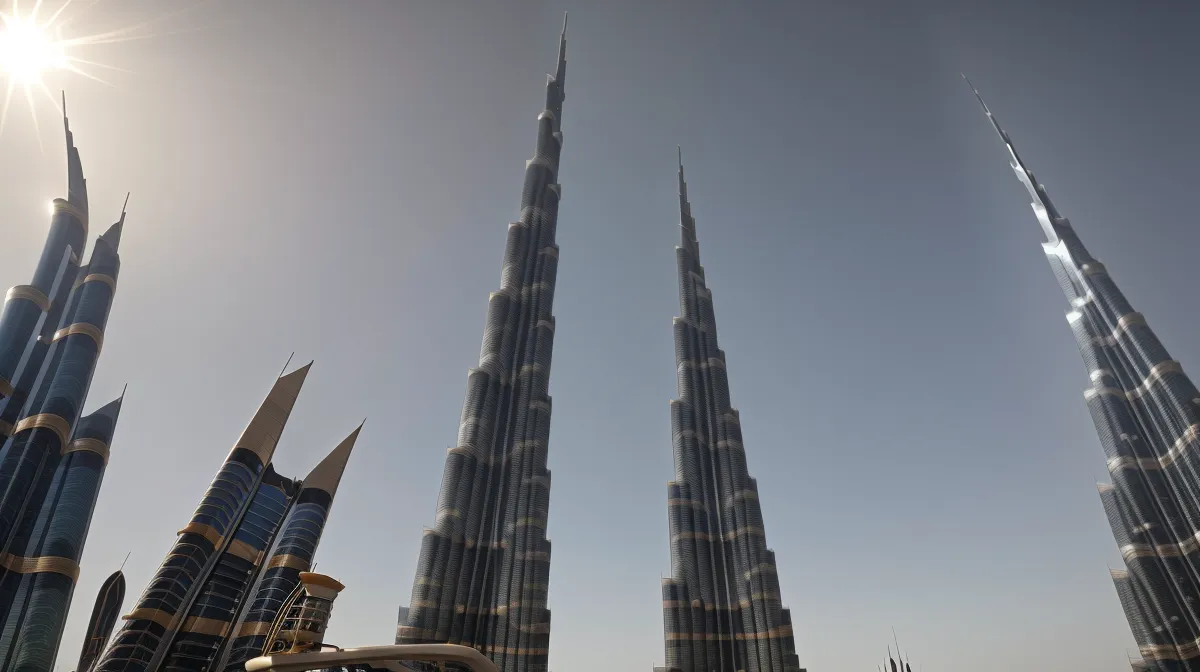
Standing on the sidewalk in Downtown Dubai, I had to crane my neck until my spine clicked just to see the spire. It’s an 828-meter needle that genuinely seems to pierce the atmosphere while my heavy camera bag digs into my shoulder. I’ve shot from rooftops in 32 cities now, but this is different. It’s not just a building; it’s a logistical puzzle involving 163 floors of glass and some of the most unpredictable desert light I’ve ever encountered.
For the record: a few of the tour operators and booking platforms I cover on this site send me a small kickback when you book through one of my links. It doesn’t change my notes on which days were worth the climb and which ones were a total waste of an afternoon. I earn a commission at no extra cost to you, and I only talk about experiences like this that I’ve tested on my own card and my own time.
The Logistics of the High-Altitude Shoot
When I was planning my late November trip through Dubai, I realized the 'perfect shot' at the world's tallest building is a gamble. Desert weather is fickle. One hazy afternoon can turn the entire city into a beige blur, ruining a wide-angle city-scape. That’s why I stopped booking direct tickets. If you book through the official site and a dust storm rolls in, you’re usually out of luck. I needed a platform that handles the what-ifs, so I used GetYourGuide for my entry.
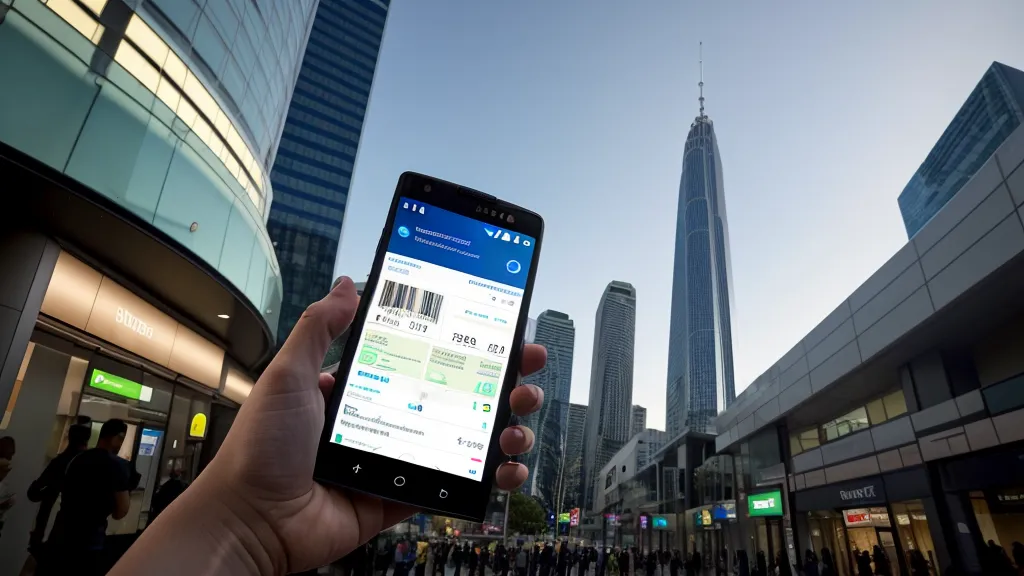
The 24-hour cancellation safety net is the real hero for a freelancer. If the shamal winds—those seasonal gusts that kick up fine sand—start blowing, I can push my shoot back without losing the 179 AED (around 49 USD) I dropped for a standard entry. I’ve had similar luck using Best Prague Castle Tickets for Morning Views where timing the light is everything. In Dubai, that flexibility is the difference between a portfolio-grade frame and a hazy mess that looks like it was shot through a dirty filter.
The Ascent: 10 Meters Per Second
Using the mobile ticket to bypass the primary voucher exchange line felt like catching the express subway while everyone else was stuck on the local. I walked past the queue, scanned my phone, and stepped into the lift. It’s a 10 meters per second vertical shot. I felt that familiar ear-pop as we climbed, and then I noticed it: a sensory detail I hadn't expected. There was a subtle, high-frequency vibration of the elevator floor that made the water in my bottle ripple as we passed the 100th floor. It’s a reminder of the sheer kinetic energy required to move humans up 163 floors in under two minutes.
Most tourists aim for the sunset peak hours. They want the orange glow, the postcard moment. But as a photographer, I’m telling you to skip it. I went in mid-morning, just before the golden hour crowd even woke up. The mid-morning sun creates harsher, more defined shadows that provide superior architectural contrast. When you’re shooting the shadows of the skyscrapers stretching across the desert floor, you get a professional-grade definition that sunset just washes out in a hazy glow.
Level 125: The Photographer’s Sweet Spot
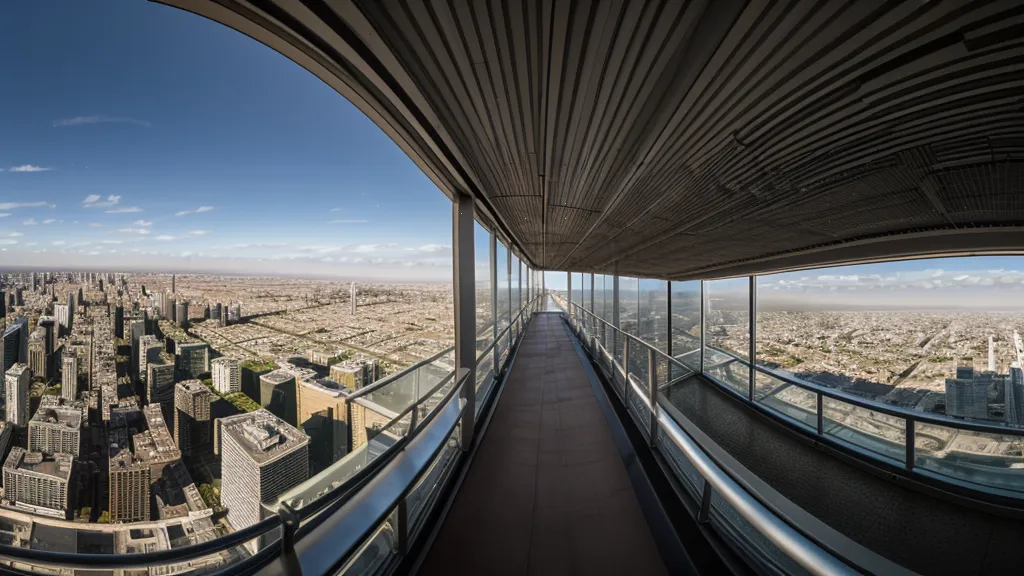
The Burj Khalifa has public observation levels at 124, 125, and 148. While 148 (At The Top Sky) is the highest, I actually found Level 125 to be a better shooting environment. It features a floor-to-ceiling glass design that’s much more conducive to bracing a lens than the outdoor terrace on 124. Plus, it’s often less crowded, meaning you can snag a corner and stay there until the light hits the Sheikh Zayed Road just right.
Shooting through glass is a nightmare if you aren't prepared. I spent most of the session with a dull ache in my forearms from pressing my camera body flush against the glass to eliminate interior reflections for a long exposure. Since tripods are generally prohibited without a commercial permit, you have to get creative. I used a small beanbag on the window ledge to stabilize my prime lens. If you’re coming from a different shoot—say, after using GetYourGuide Barcelona Sagrada Familia Tours—you’ll find the security here much tighter about gear.
The Haze and the Shamal
By early December, the air usually clears up, but you still have to watch the horizon. The Burj Khalifa uses a massive condensate collection system that provides about 15 million gallons of water annually—a fun fact that highlights just how much humidity is in the air here. That humidity can turn into a thick soup by mid-afternoon. If you see the horizon disappearing into a grey-white wall, save your shutter count. The best light is often found right after a shamal wind clears the dust, leaving the air surgically sharp.
If you’re doing a quick layover and need to see the rest of the city, the Big Bus Tours stops right at the Dubai Mall entrance to the Burj. It’s a decent way to connect the dots between the Burj and the old souks without dealing with the metro transfers during rush hour. For those booking multiple activities across Asia or the Middle East, I’ve also checked Trip.com, which sometimes has better inventory for local regional tours if GetYourGuide is sold out.
Final Thoughts from the 125th Floor
As the city lights began to flicker on across the Sheikh Zayed Road, I realized that for a freelancer, the value of the ticket isn’t just the view—it’s the access to a perspective that makes the world feel small. The Burj Khalifa is a feat of engineering, but for us, it’s a giant tripod in the sky. If you want the best shots, go early, bring a lens cloth, and keep your forearms ready for the glass-press. You can grab your tickets here to make sure you have that 24-hour cancellation window in your back pocket—because in the desert, the weather always gets the final say.