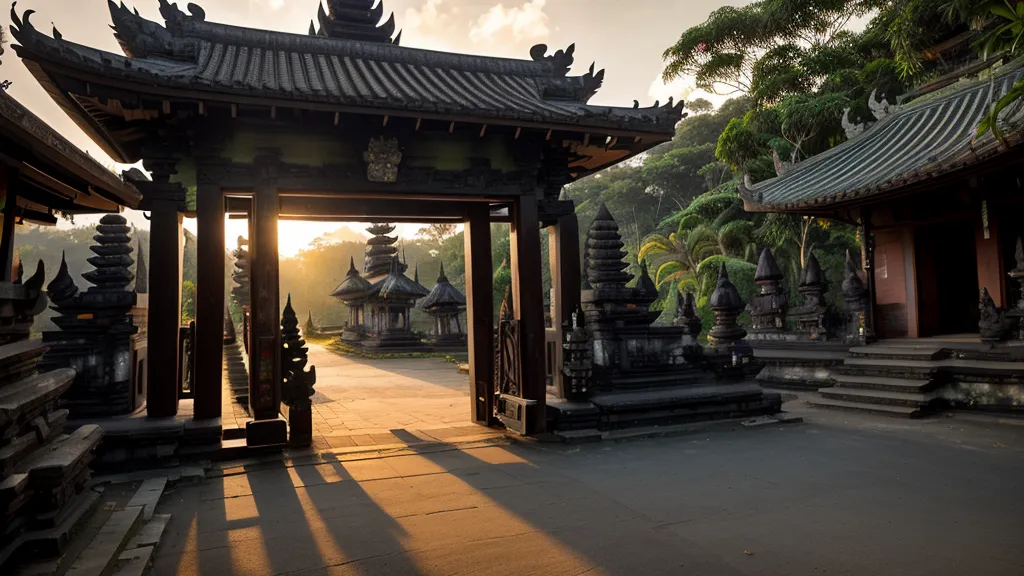
The queue for the mirror-pool photo at Pura Lempuyang runs three hours on a clear morning. The photo itself takes about ten seconds once you reach the front. That gap between three hours of standing and ten seconds of shutter is the whole case for a private charter — a car and driver booked just for a day of temple photography — instead of doing Bali temple tours on someone else's schedule. A driver doesn't make the line shorter. He gives you the option to skip it, which turns out to be the real skill in travel logistics on a shoot day.
A few of the operators named below pay me a small commission if you book through the link, at no extra cost to you. I've tested these across a lot of shoot days in a lot of cities, and that arrangement doesn't change which ones I'd actually book again.
Going Solo: A Scooter, a Guidebook, and a Rice Paddy
I rented a scooter in Canggu early last spring and strapped a 20kg gear bag to my back, figuring I'd zip between temples the way backpackers do. A paper guidebook was the only planning I did — no queue-time estimates, no sense of which temple gets swarmed by mid-morning, just a list of names and a rough map. Attempting the Canggu shortcut with a full-frame body and three prime lenses, I nearly slid into a rice paddy when a tropical downpour hit without warning. Bali covers about 5,780 square kilometers, which sounds small until the verticality and the humidity start eating a rider's stamina. By the time I reached Tanah Lot, my shirt was soaked through and I was too wrecked to think about composition, let alone light.
Bali runs on microclimates. Seminyak can be clear while Bedugul gets a localized monsoon an hour inland, and if you're chasing a specific quality of light, you need the ability to pivot fast. That guidebook — the one without a single queue estimate in it — was fine for a rough loop, useless for reacting to weather or crowds in real time. After the scooter spill, I started looking at private car charters instead, mostly for a mobile base: somewhere to swap a 24-70mm for a longer tele without grit in the housing, and somewhere dry to sit for ten minutes.
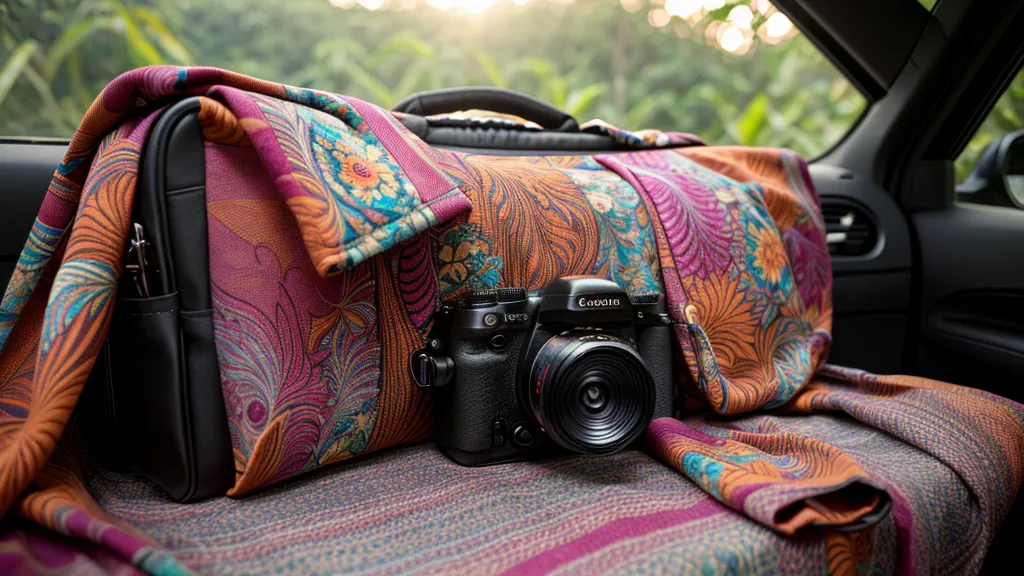
A Private Charter Solves a Different Problem Than a Group Tour
Editorial work and casual sightseeing want different things from a vehicle. A standard group tour runs like a fixed bus line — set stops, a rigid schedule, a return time that usually lands right when the shadows get interesting. That's the guided-versus-self-guided math every travel photographer runs eventually: a group itinerary keeps you from getting lost, but it also keeps you exactly where the schedule says, never where the light is. On a client shoot I might be hauling three light stands, a couple of softboxes, and four wardrobe changes. None of that fits on a scooter, and none of it belongs unattended on a public bus.
Booking a private car through GetYourGuide changed how I plan a shoot day. Their inventory runs past 75,000 activities, and the custom charters let me filter for a 10-hour or 12-hour block, which matters when a shoot starts before dawn and doesn't wrap until the stars are out. The car becomes a locker — a backup body and the carbon tripod stay in the trunk while I scout with just one camera. Routing yourself to hit a temple at golden hour instead of whenever an itinerary says is the entire reason the car earns its cost. I've also booked Tuscany Wine Tours from Florence for the same kind of small-group access, but Bali asks for more flexibility than a vineyard route — you're working around ceremonies, traffic that defies logic, and weather that turns over every ten minutes.
A Good Driver Works Like a Local Fixer
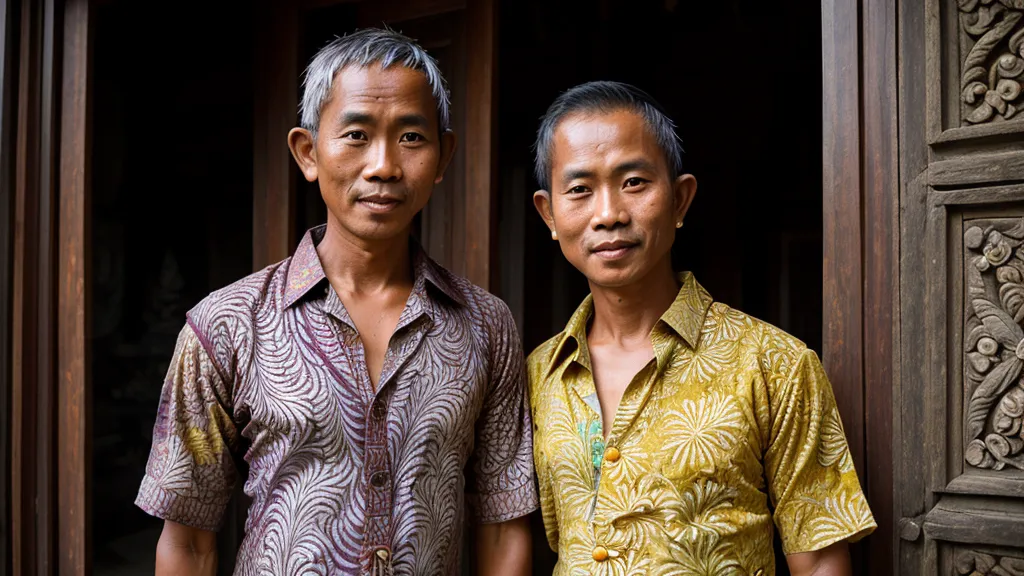
A working routine formed fast: book a car a few days out, keep an eye on the 24-hour cancellation window in case the forecast turns. The car itself is only half the value — the driver is the real one. In Bali, a good driver works like a local fixer. One humid morning, on the way to Besakih Temple, the island's "Mother Temple," mine turned off before the main gate without me having to ask.
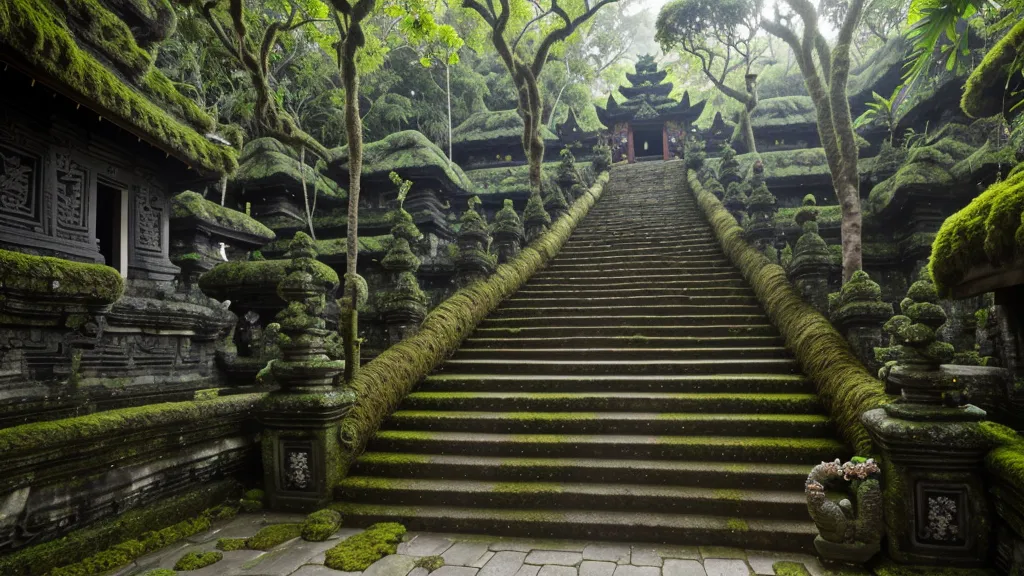
Besakih is the most significant of the 9 directional temples meant to protect Bali. Most visitors get dropped at the front gate and follow the same crowded path from there. My driver knew a back route with a clean angle on Mount Agung in the background, no tourist line cutting through the frame. He also knew the etiquette cold — a sarong and sash aren't optional, even if you're only standing at the perimeter. A reader named Leotis Chambers pointed out once that the signage explaining that rule is easy to miss, and he's right — most people walk straight past it. Clove-cigarette smoke and damp moss at the base of a 1,000-year-old stone staircase is the kind of detail a fixed itinerary would rush you past. Knowing the social rhythm of a working temple gets the shot more reliably than any lens does.
These drivers read the island the way a subway conductor reads a delay: they know when ceremonies start and which roads close for a procession before it shows up on any app. It's less like hiring transportation and more like hiring a person who happens to also have a car.
Is the Lempuyang Queue Actually Worth It?
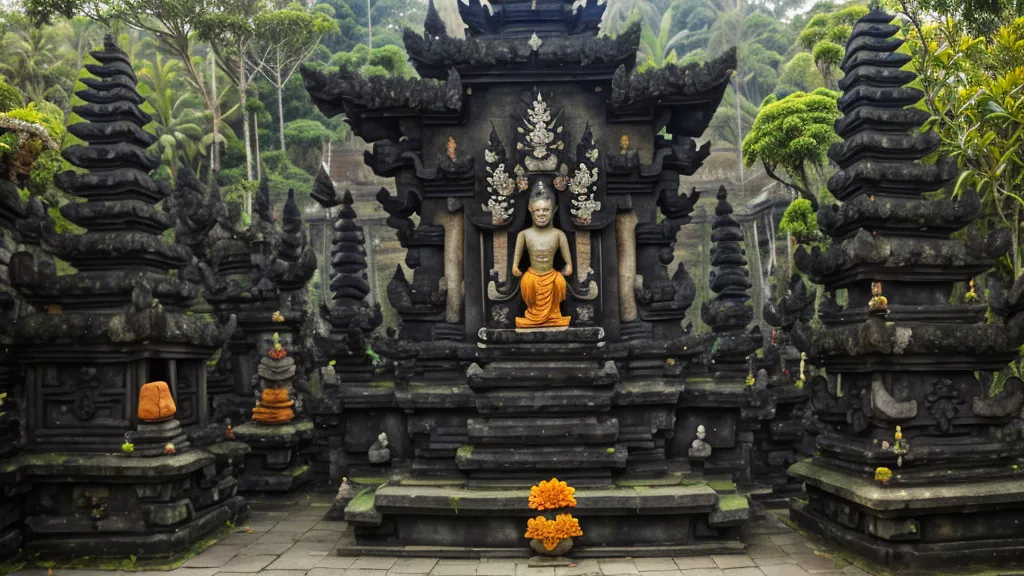
Everyone's seen the photo: the "Gates of Heaven," a mirrored reflection of temple and volcano sitting in a pool of water that isn't actually there — it's a phone propped on glass a staff member holds up for you. I went to see whether the reality matched the image. It didn't, not for the wait involved. The same queue-strategy logic that works for a Vatican morning — arrive before the tour buses, or build your day around when they arrive — applies just as much here, just with a mirror pool instead of a dome. Standing in that line felt like the Saturday crowd at the Grand Army Plaza Greenmarket when the first ripe tomatoes show up, everyone inching forward for the same ten minutes at the front, patient about a thing that has nothing to do with what they're actually there for.
Because I had my own car, I didn't feel locked into justifying the wait. I told the driver we were pivoting, and we drove twenty minutes to a lesser-known shrine where the light hit a moss-covered carving at a clean 45-degree angle — no queue, no glass trick, just real texture. That kind of audible is impossible on a pre-set tour route. It's the same reason I'd pick a private setup over something like the Atlanta CityPASS when I'm shooting in the States: the headline attraction is sometimes just a distraction from the actual work. It's the same break-even question I run for any city pass, too — does it cover what you're actually planning to shoot, or are you paying for a tier of access you'll never use.
A hop-on-hop-off ticket runs on the same fragile logic, and I learned that one the hard way in Paris, not Bali — the schedule board flipped to the next slot, forty-some minutes out, because the bus I needed had already come and gone while I was still deciding whether the current stop was worth photographing. Fixed schedules are efficient right up until they're not where you are. If you're shooting fashion or influencer content, that kind of autonomy matters: sometimes you need to camp at one gate for two hours waiting on a cloud break over Agung, then skip the next three stops entirely. A driver on a day rate doesn't care either way. He's on your clock, not a route sheet's.
Running the Numbers on a Full-Day Charter
Booking through GetYourGuide runs somewhere around sixty to eighty dollars for a full day, depending on car size and how long you book it for. Street rates in Ubud or Seminyak can undercut that, but a vetted operator's reliability has been worth the extra ten bucks every time I've tested it — you don't want a car breaking down on a mountain pass in North Bali when you're carrying five figures worth of glass.
That 24-hour cancellation window is my actual insurance policy. Tropical weather flips fast, and if the radar shows a solid gray morning, I can cancel without eating the cost. Trip.com has been a reliable backup for Asian inventory too, sometimes with different operators available when GetYourGuide is sold out during peak season.
A few field notes worth keeping: temples at altitude run noticeably colder than the coast, so pack a light layer even if Kuta is sweltering. And check the calendar for Nyepi before you book anything — the day of silence shuts the whole island down, no transport, airport included. No driver, no matter what you're paying, is getting you to a temple that day.
So which one actually wins. A scooter and a guidebook make sense for a single easy temple, good weather, and a light kit — cheap, simple, nothing to coordinate. A private charter earns its cost the moment a shoot needs more than one location, real gear, or a schedule that bends around light instead of the other way round: multiple temples in a day, golden hour timed to the minute, wardrobe changes, a place to stash a second body. Selects from a day like that usually go straight to Fumiko Odell, the colorist who handles my editorial finals, and she'll flag the frames worth reshooting before I've even left the island — she's got an opinion on every batch, and she's usually right. Most temple days in Bali land somewhere between those two poles, but weighed against the cost of a wasted golden hour, the car wins more often than the scooter does.